




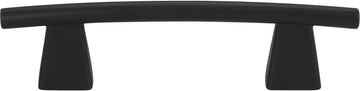
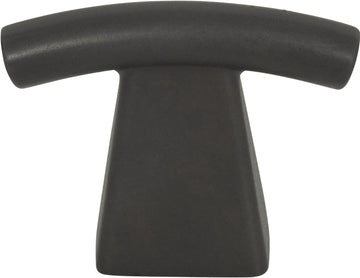









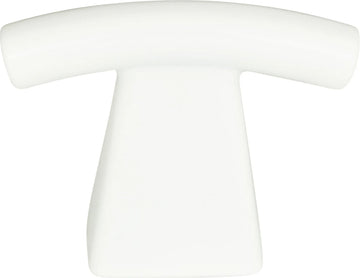


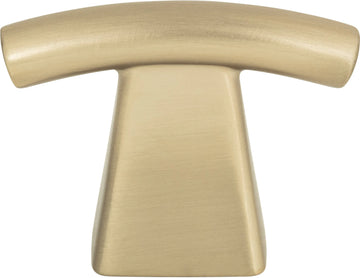

Atlas Fulcrum Collection: engineered geometry as design statement
The Atlas Fulcrum Collection from Atlas Homewares takes its name from the pivot point in a lever. That's the place where structure and force meet. The hardware applies that engineering vocabulary: pulls with visible mechanical-feeling structure, knobs whose shape suggests a balance point rather than a decorative form. The pieces read precision-machined and intentional, like small pieces of industrial design rather than traditional cabinet ornament.
What Fulcrum looks like installed
Pulls in the collection often show a deliberate offset or pivot reference in the silhouette. Common moves include slim profiles, asymmetric cuts, and angles where standard hardware would round off. The knobs read similarly engineered. Against painted slab fronts, walnut cabinets, or contemporary inset cabinetry, the collection reads architectural and considered. Against ornamental cabinetry, the design language fights the door's traditional vocabulary and reads inconsistent.
Where Fulcrum suits a project
Modern kitchens, architectural baths, lofts, and urban contemporary builds. The hardware should feel like part of the building's design language rather than applied decoration. The collection's smaller catalog size (about 30 pieces) means it works best when one Fulcrum piece is the only hardware on the cabinet. Mixing Fulcrum with another collection inside the same kitchen dilutes the design intent.
Where Fulcrum sits at Atlas
Atlas Homewares positions itself as Jewelry for the Home, with founder Adrienne Morea building lines from fashion-design vocabulary rather than standard hardware categories. Fulcrum sits at the brand's design-led modern end alongside Successi and Thin Square. For warmer-edged contemporary, see Modern Avalon. Fulcrum hardware reads strongest when paired with cabinetry that shares its precision: tight reveals, exact margins, and finishes that are part of the building's design rather than additions to it.
Frequently Asked Questions
What design language does the Atlas Fulcrum Collection use, and what kind of cabinetry does it suit?
The Fulcrum Collection draws on engineering vocabulary — offset silhouettes, asymmetric cuts, and slim profiles that suggest mechanical precision rather than decorative ornament. It works best on painted slab fronts, walnut cabinets, and contemporary inset cabinetry with tight reveals and exact margins. It conflicts with ornamental or traditional cabinetry because the two design languages are incompatible.
How does Atlas Fulcrum compare to the Atlas Modern Avalon Collection?
Fulcrum is positioned at Atlas Homewares' design-led modern end, sharing that space with Successi and Thin Square, and emphasizes a precision-machined, architectural feel. Modern Avalon is the brand's option for warmer-edged contemporary aesthetics, making it a better fit when a project needs modernity without the strict industrial precision that Fulcrum demands. The choice depends on whether the surrounding cabinetry and interior reads cool and geometric or warmer and transitional.
How large is the Atlas Fulcrum Collection, and does that affect how it should be used in a project?
The Fulcrum Collection contains approximately 30 pieces, which is a smaller catalog relative to broader Atlas lines. Because of that limited range, it works best when a single Fulcrum piece — a pull or knob — is the only hardware type used across a cabinet run. Mixing Fulcrum with a second collection within the same kitchen dilutes the design intent the collection is built around.
Where in a home is the Atlas Fulcrum Collection most appropriate?
Fulcrum is designed for modern kitchens, architectural baths, lofts, and urban contemporary builds where hardware is expected to function as part of the building's design language rather than applied decoration. The collection is less suited to traditional or transitional spaces where its mechanical-feeling geometry would contrast with ornamental door and drawer profiles.
What Customers Say
Trusted by thousands of designers, builders, and homeowners
Kayla Malo is the most attentive and super human ever! My experience with this company is stellar!

Love working with Kayla, she is extremely helpful and quick with responding to my questions!
Kayla was GREAT!!!! Super help and fast answers. One of the best I've ever dealt with.