




Cutlery and utensil drawer organizers, tiered and frameless
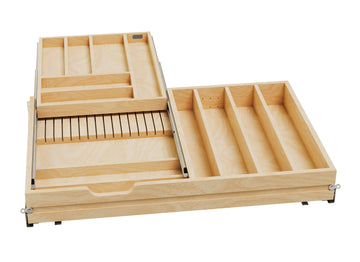
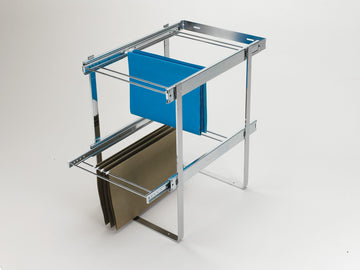
A cutlery or utensil organizer divides a kitchen drawer into parallel bays for forks, knives, spoons, and serving pieces, instead of leaving them loose. Two-tier and tiered cutlery trays add a second, shallower layer above the main tray, so a single drawer holds both everyday flatware and the taller serving tools that don't fit a flat tray. Rev-A-Shelf builds the line in solid wood, in sizes running from narrow inserts to full-width frameless trays, plus companion pieces like knife-and-cutting-board drawers and specialty inserts sized for K-Cups or files.
Tiered versus frameless
Tiered organizers sit inside an existing drawer box and work well for standard cabinetry with visible face frames. Frameless trays are cut to run edge-to-edge in a full-overlay drawer, which is the more common box style in newer cabinetry. Soft-close versions add a damper so the top tray settles quietly instead of dropping shut, which matters more than it sounds like in a busy kitchen used several times a day.
What is a two-tier drawer organizer for?
A two-tier organizer solves the problem of one drawer needing to hold both flat flatware and taller items like serving spoons or a knife block. The lower tier handles the deep, awkward tools; the shallow top tier slides forward on its own track so you're not digging under it for a fork every time you set the table.
Measuring before you order
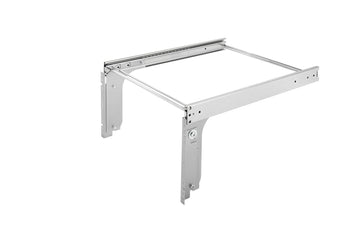
Measure the drawer box's inside width and depth, not the cabinet opening — organizers are sized to the drawer, and even an inch off can mean it won't sit flush. If your drawer runs an unusual width, a free design consultation can confirm sizing before you order. Every organizer here carries the same 110% price match as the rest of the site, so sizing right matters more than shopping around on price. Pairing new drawer slides with an organizer upgrade is common on older cabinets; browse drawer slides for that.
Frequently Asked Questions
What is the difference between a utensil organizer and a cutlery tray?
A cutlery tray is a type of utensil organizer focused on flatware, with narrow same-size bays for forks, knives, and spoons. A general utensil organizer adds longer, deeper channels for cooking tools such as ladles, whisks, spatulas, and serving spoons. Many kitchens run both: a cutlery tray near the table-setting area and a wider utensil organizer beside the range.
Should I choose a fixed or expandable utensil organizer?
A fixed cutlery tray comes in set widths sold to match common 15- to 24-inch base drawers, so its bays sit rigid and never shift when the drawer is pulled. An expandable utensil organizer has sliding side panels that stretch to fill wider or non-standard drawers, trading a small amount of bay rigidity for adjustable fit. Fixed trays suit a drawer cut to a known width; expandable ones suit odd or retrofit drawers where a stock size leaves gaps.
Is a bamboo or an acrylic cutlery organizer better?
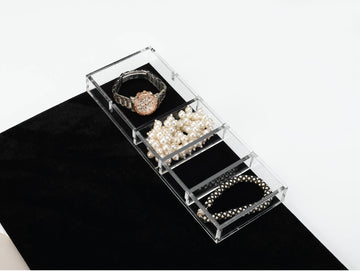
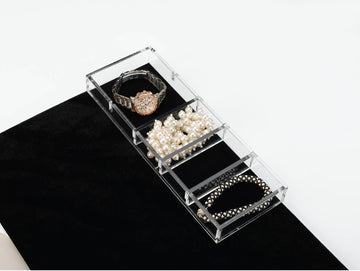
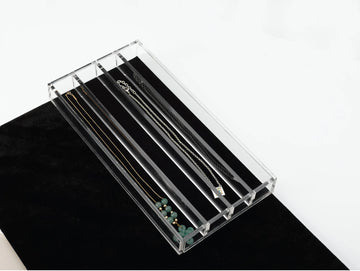
Bamboo and wood cutlery trays cushion the rattle of moving flatware and pair with Shaker, farmhouse, and traditional cabinets in maple, oak, or painted finishes; they need occasional oiling and can stain or warp if left wet. Clear acrylic and steel-wire organizers wipe clean, shrug off moisture, and disappear visually in flat-panel kitchens. For a drawer beside the sink or dishwasher, acrylic or wire holds up better against steam and splashes.
Is an in-drawer knife dock better than a countertop knife block?
An in-drawer knife dock lays blades flat and edge-down inside a cutlery drawer, keeping counters clear and edges shielded from contact with flatware. A countertop block stores knives upright in slots but occupies prep space and exposes handles. The dock suits kitchens short on counter room or with deep enough drawers; a block suits cooks who want knives within reach on the surface. Both keep blades separated, unlike a single mixed utensil tray.
What Customers Say
Trusted by thousands of designers, builders, and homeowners
Kayla Malo is the most attentive and super human ever! My experience with this company is stellar!

Love working with Kayla, she is extremely helpful and quick with responding to my questions!
Kayla was GREAT!!!! Super help and fast answers. One of the best I've ever dealt with.