

















What a cabinet backplate does
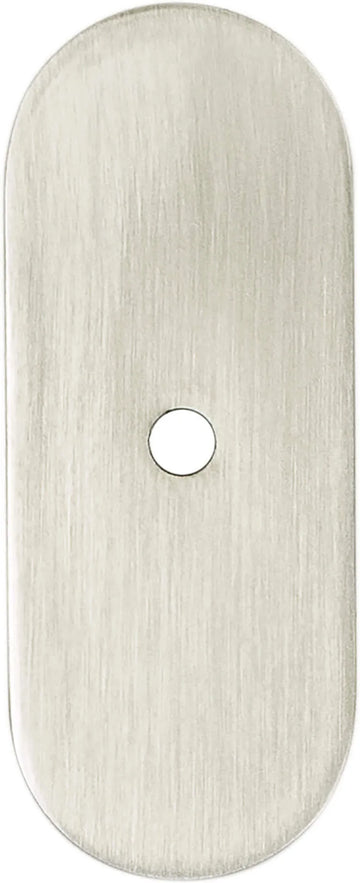
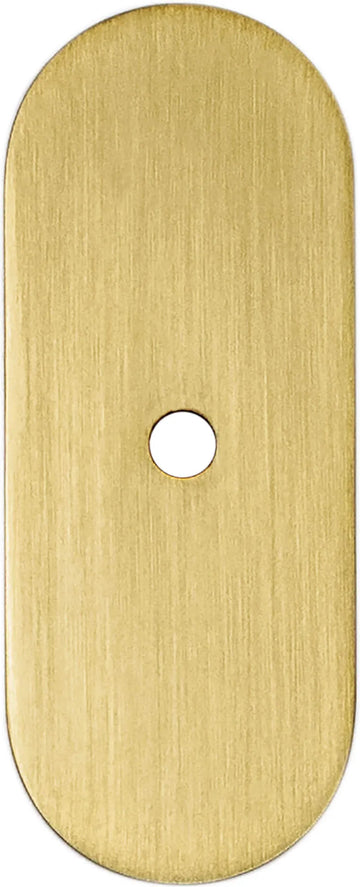
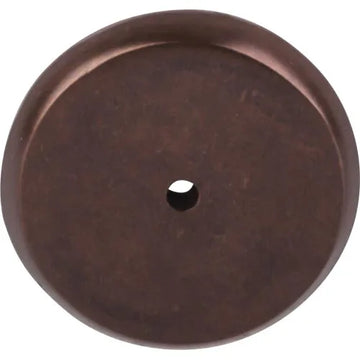
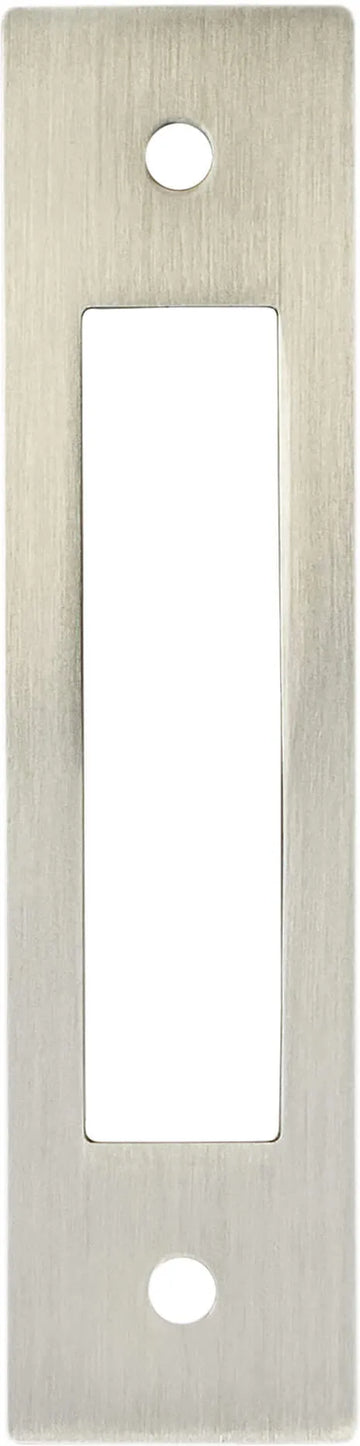
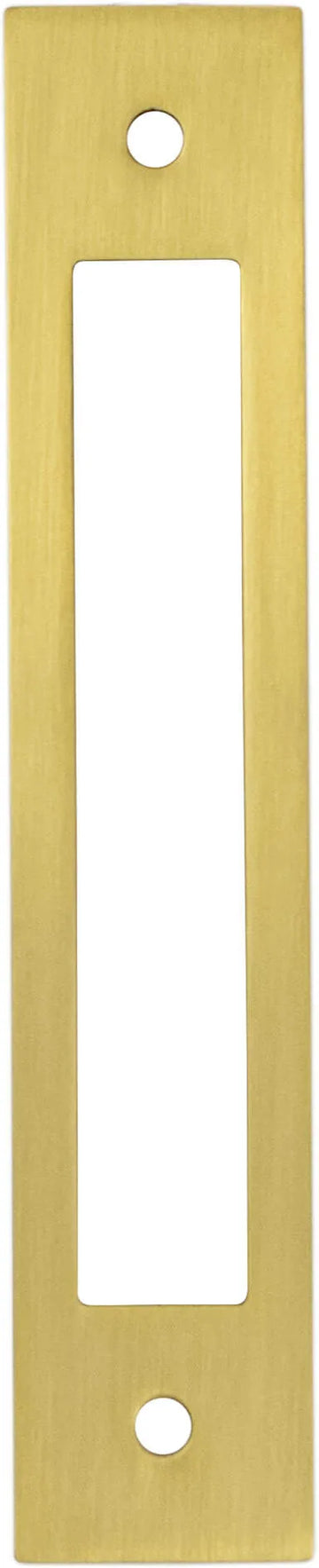
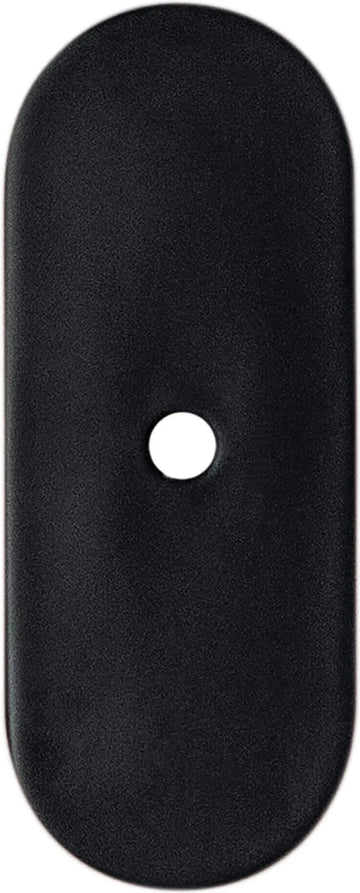
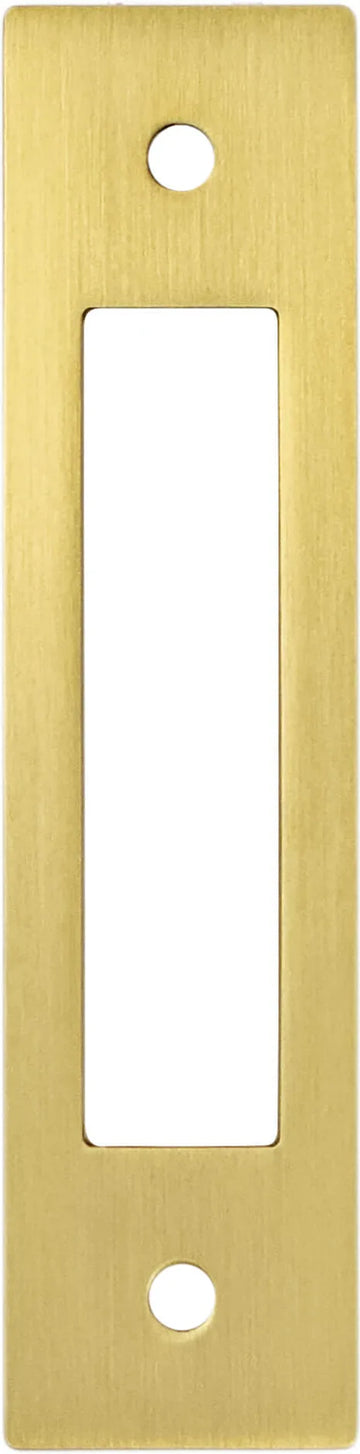
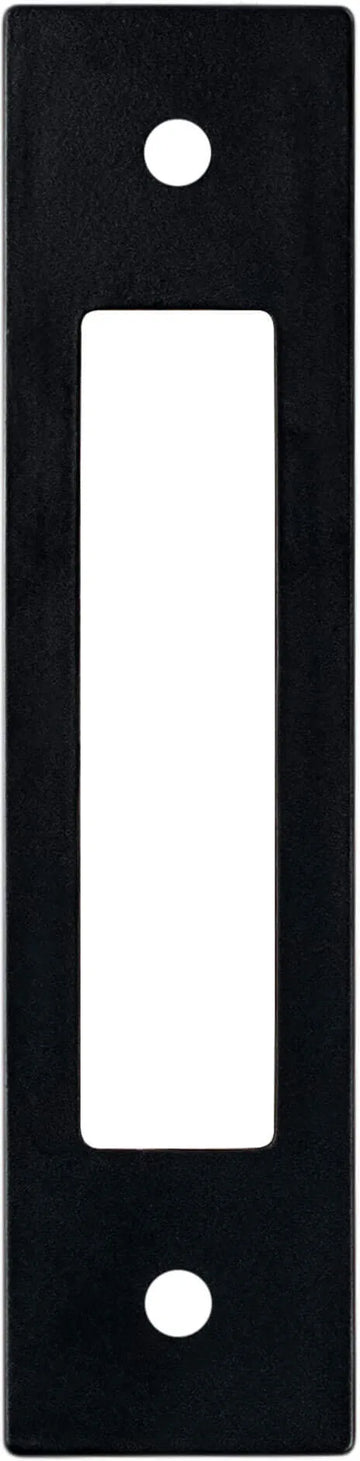
A backplate is a decorative metal plate installed between a knob or pull and the cabinet face, with the hardware mounted straight through it. Cabinet pulls with a backplate read as one finished piece instead of hardware floating on bare wood. The plate also does practical work: a wider backplate covers an old drill pattern that no longer lines up with new hardware. Top Knobs and Berenson supply most of the range here, in cutout, round, and oval profiles.
When a backplate solves a real problem
Replacing pulls on cabinets with existing holes is the most common reason to add one — a backplate sized larger than the old hardware's footprint hides the mismatch cleanly instead of leaving visible gaps or filled holes. The other reason is purely visual: a backplate under a knob adds a layer of detail some kitchens want, especially in traditional and transitional styles where an unadorned knob can look sparse against a detailed door.
Sizing and shape before ordering
Measure the spread of your existing holes first, then choose a backplate at least an inch larger on each side so it fully covers the old pattern. Cutout backplates, built for pulls, have a slot running through the center; round and oval backplates are made for knobs. Matching the backplate's finish to the knob or pull matters more than matching its shape to the rest of the kitchen, and mixing a matte-black backplate under a polished pull tends to look like a mistake rather than a design choice.
Getting the fit right
Backplates work with both existing and new hardware, so it's easy to add them mid-project without starting over. Not sure which size actually covers your existing holes? A free design consultation walks through the measurements with you first. See them paired with pulls or plain knobs for the full look.
Frequently Asked Questions
What is a cabinet backplate for?
A backplate is a decorative metal plate mounted behind a knob or pull, between the hardware and the cabinet face. It serves two roles: covering existing screw holes or wear marks when replacing older hardware, and adding a more finished, layered look on new cabinetry. The knob or pull mounts straight through it.
How much bigger should a backplate be than the knob it covers?
A backplate generally needs to be noticeably larger than the knob or pull base it sits behind, so the plate reads as a frame rather than disappearing under the hardware. For pulls, check that the backplate's cutout matches the pull's screw spacing, not just its length. Measuring both pieces before ordering avoids a mismatch.
Can a backplate cover old cabinet hardware holes?
Often, yes. A backplate can hide old screw holes, worn finish, or scratches left by previous hardware, provided the plate is larger than the spread of the existing holes. Measure the distance between your old holes first, since a backplate that's too small will leave marks exposed around its edges.
Do backplates work with bar pulls, or only knobs?
Both. Round and oval backplates are made for knobs, while long cutout backplates are shaped to fit behind bar and appliance pulls, matching the pull's center-to-center screw spacing. Check that a backplate is listed for the hardware type you're using, since knob and pull backplates aren't interchangeable.
What Customers Say
Trusted by thousands of designers, builders, and homeowners
Kayla Malo is the most attentive and super human ever! My experience with this company is stellar!

Love working with Kayla, she is extremely helpful and quick with responding to my questions!
Kayla was GREAT!!!! Super help and fast answers. One of the best I've ever dealt with.