






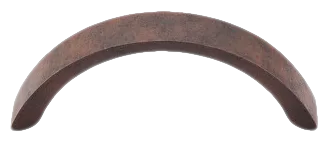
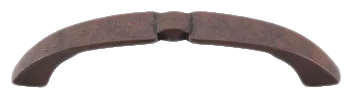
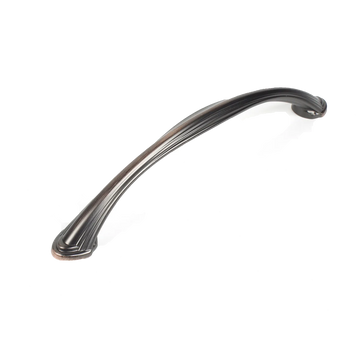
Bow pulls for traditional and transitional cabinets
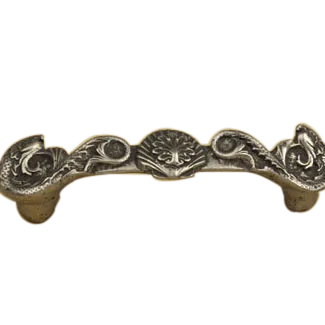
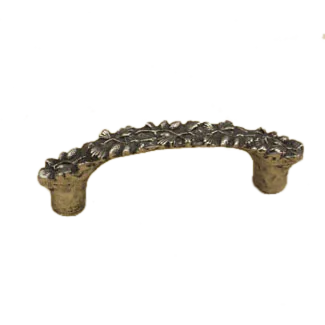
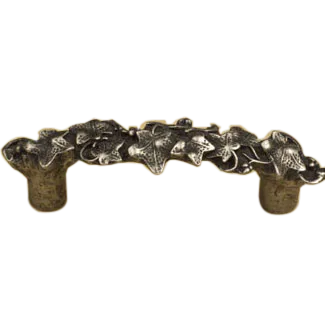
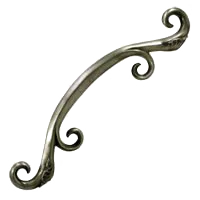
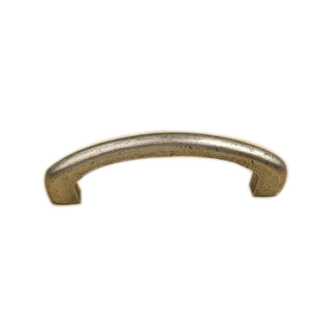
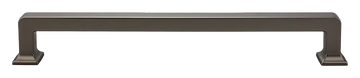
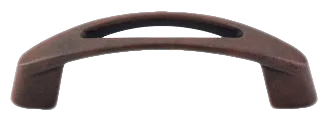
Bow pulls are cabinet pulls whose grip arcs outward from the door in a single smooth curve. The shape suggests a drawn archer's bow, which is where the name comes from. The arc usually projects 1 to 1-1/2 inches forward of the cabinet face, with the deepest point in the middle and the curve tapering back to the mounting screws at each end. Bow pulls read more traditional than a flat bar pull but less ornamental than a fluted or scrolled piece.
Where bow pulls suit
Shaker kitchens take bow pulls especially well; the flat door panel needs visual softening, and the bow's curve gives that without committing to overt decoration. Transitional kitchens use bow pulls to bridge between contemporary clean lines and traditional ornament. English country, French country, and farmhouse kitchens use deeper, wider bow pulls. Strictly modern slab-front kitchens usually want straight bar pulls instead, since the curve here reads slightly fussy against flat fronts.
How bow pulls feel in hand
The forward projection gives more knuckle clearance than a flat bar, which makes the pull comfortable on heavy base drawers used daily. The smooth curve means there's no edge to catch on a sleeve or apron. Length runs 3 to 8 inches on cabinets; smaller for upper-cabinet drawers, longer for base. As with most pulls, the drill-center spacing and the overall length are separate measurements and don't always match across brands.
Finishing the run
Bow pulls take warm and traditional finishes especially well, including oil-rubbed bronze, antique brass, and brushed pewter, because the curve catches light along its full length and rewards finishes with depth. Cooler modern finishes work too but pull the cabinet slightly away from the traditional starting point the shape suggests.
Frequently Asked Questions
How do bow pulls differ from flat bar pulls?
Bow pulls arc outward from the cabinet face by roughly 1 to 1½ inches, creating knuckle clearance that flat bar pulls lack. The curve also gives a warmer, more traditional character, making bow pulls a better fit for Shaker, English country, and transitional kitchens, while flat bar pulls suit strictly modern slab-front cabinets where the bow's curve can read as fussy.
What cabinet door styles work best with bow pulls?
Shaker-style cabinets pair especially well with bow pulls because the flat door panel benefits from the visual softening the curve provides without committing to overt decoration. Transitional, English country, French country, and farmhouse kitchens also suit bow pulls, while slab-front modern kitchens are generally better served by straight bar pulls.
Which finishes work best on bow pulls?
Bow pulls suit warm, traditional finishes particularly well — oil-rubbed bronze, antique brass, and brushed pewter are all listed as strong choices because the curve catches light along its full length and rewards finishes with visual depth. Cooler modern finishes can work but shift the cabinet's character away from the traditional aesthetic the bow shape naturally suggests.
What size bow pull should be used on base drawers versus upper cabinets?
Bow pull lengths typically run from 3 to 8 inches on cabinet applications, with smaller pulls suited to upper-cabinet drawers and longer pulls used on base cabinets. When selecting a pull, it is important to note that drill-center spacing and overall length are separate measurements and do not always match across brands, so both dimensions need to be confirmed before ordering.
What Customers Say
Trusted by thousands of designers, builders, and homeowners
Kayla Malo is the most attentive and super human ever! My experience with this company is stellar!

Love working with Kayla, she is extremely helpful and quick with responding to my questions!
Kayla was GREAT!!!! Super help and fast answers. One of the best I've ever dealt with.