

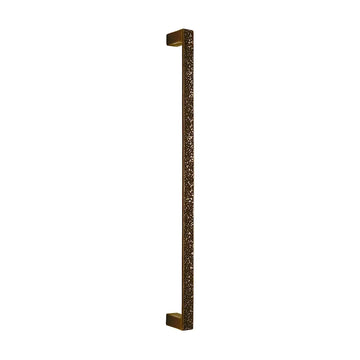
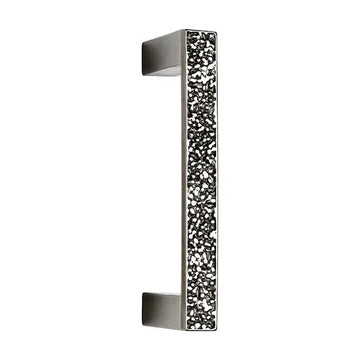
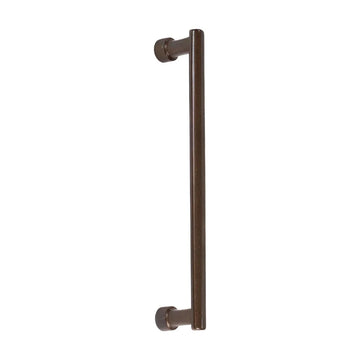
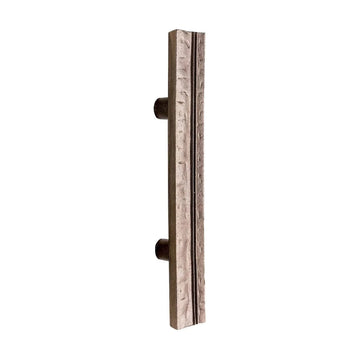
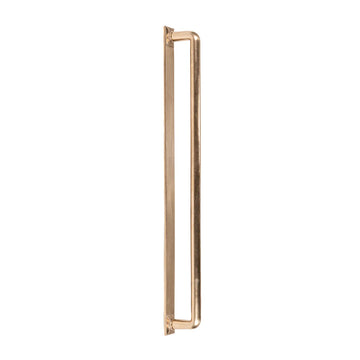
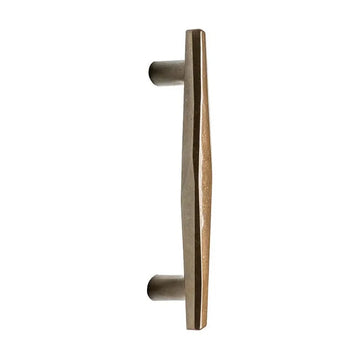
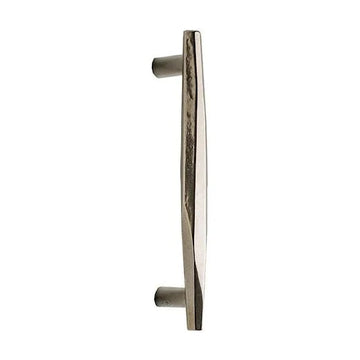
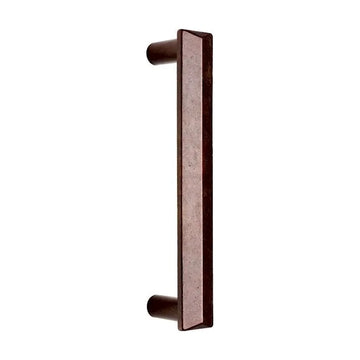
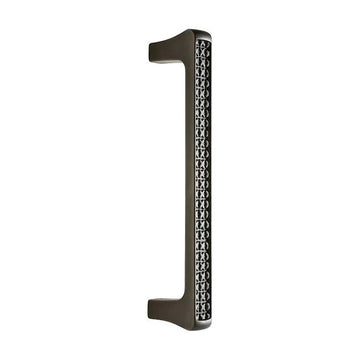
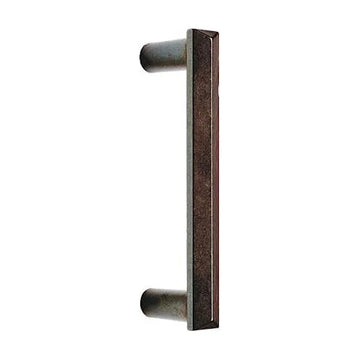
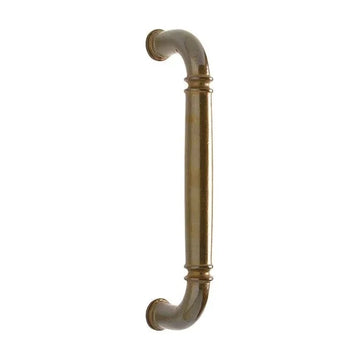
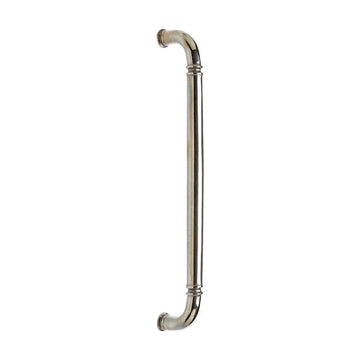
Door pulls beyond the cabinet
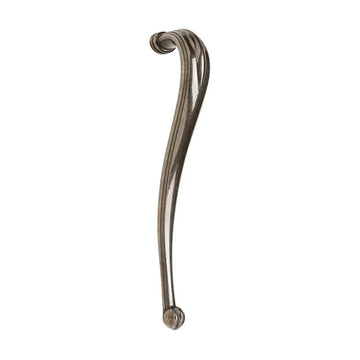
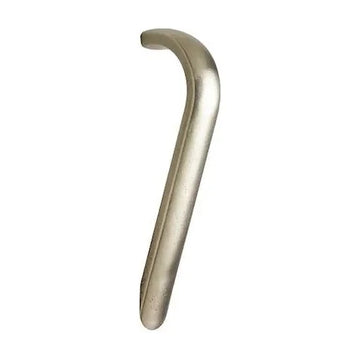
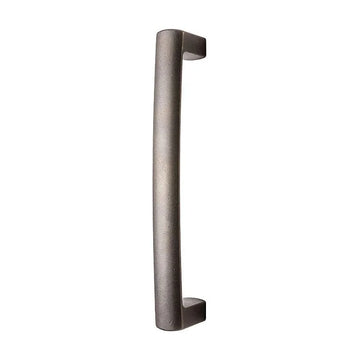
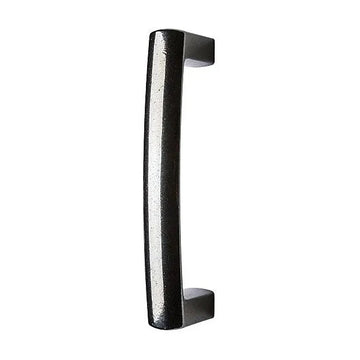
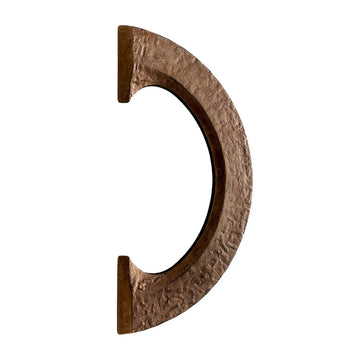
Door pulls are the larger-format pulls used on passage, pocket, barn, and entry doors rather than cabinets. The category overlaps with cabinet hardware in shape language. Many manufacturers sell scaled-up versions of their cabinet pulls as door pulls. But the load, mounting, and thickness requirements diverge. A door pull bolts through a solid-wood or solid-core door and gets pulled by an adult hundreds of times a year.
Where each shape goes
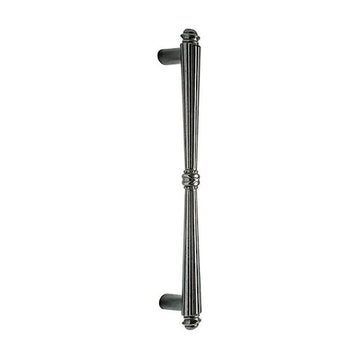
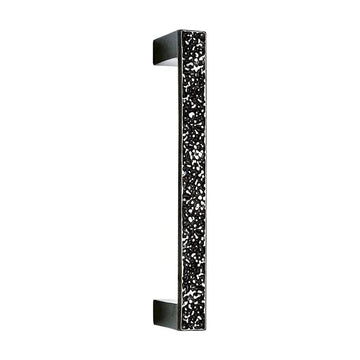
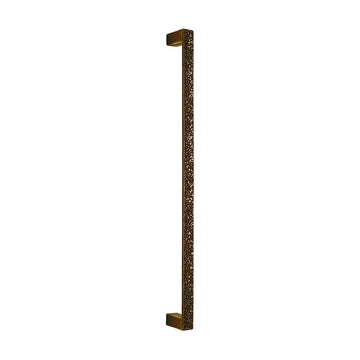
Sliding barn doors and pocket doors usually take long ladder-style pulls running 12 to 36 inches, mounted vertically near the leading edge. Pantry passage doors take shorter pulls (6 to 12 inches), either vertical or angled. Entry doors take heavy ladder pulls in matched back-to-back pairs, mounted with through-bolts that cross the door thickness. Glass shower doors use a similar ladder pull but with a glass-clip mount instead of through-bolts.
Mounting and material
Door thickness matters more here than on cabinet hardware. A thick solid-wood entry door needs through-bolts long enough to reach. Standard residential doors run 1-3/8 to 1-3/4 inches thick; commercial doors go thicker. Order pulls with mounting hardware specified for the door thickness, not just the pull length. Material matters in exposed installs: an unfinished iron pull on an outdoor entry will rust within a season, while stainless steel and lacquered brass hold up indefinitely. For pocket and sliding doors, mounting clearance behind the door surface matters, since some pulls are flush-mount and others surface-mount.
Coordinating with cabinet hardware
Door pulls usually pair with a deadbolt and latch in the same finish. The cabinet hardware inside the house doesn't have to match the entry door hardware exactly. It should sit in the same finish family. A matte black entry pull works with matte black or oil-rubbed cabinet hardware; satin brass at the entry pairs with satin or unlacquered brass on the cabinets. For the cabinet side of the project, see bar pulls.
Frequently Asked Questions
What is the difference between door pulls and cabinet pulls?
Door pulls are scaled-up versions of pull hardware designed for passage, barn, pocket, and entry doors rather than cabinets. The key distinctions are load capacity, mounting method, and thickness requirements: door pulls bolt through a solid-wood or solid-core door and withstand hundreds of pulls per year from adult users, whereas cabinet pulls handle lighter, more frequent but gentler use. Many manufacturers produce matching families across both scales, but the hardware specs are not interchangeable.
What length door pull is appropriate for a barn or sliding door versus a pantry door?
Sliding barn doors and pocket doors typically use long ladder-style pulls ranging from 12 to 36 inches, mounted vertically near the leading edge of the door. Pantry and passage doors generally take shorter pulls in the 6 to 12 inch range, mounted either vertically or at an angle. Entry doors call for heavy ladder pulls in matched back-to-back pairs secured with through-bolts that span the full door thickness.
Which door pull materials hold up best on exterior or exposed installations?
Stainless steel and lacquered brass are the appropriate choices for outdoor or exposed entry door applications, as both resist corrosion indefinitely under typical residential conditions. Unfinished iron is not suitable for exterior use and will rust within a single season. For interior pocket and sliding doors, material durability is less critical, but mounting clearance behind the door surface must be confirmed since flush-mount and surface-mount profiles have different depth requirements.
Does the entry door pull finish need to match the cabinet hardware finish inside the house?
An exact finish match between entry door hardware and interior cabinet hardware is not required, but the two should belong to the same finish family. For example, a matte black entry pull coordinates with matte black or oil-rubbed bronze cabinet hardware, while a satin brass entry pull pairs naturally with satin or unlacquered brass on cabinets. Pairing finishes within a family produces a cohesive look without demanding identical product lines throughout the home.
What Customers Say
Trusted by thousands of designers, builders, and homeowners
Kayla Malo is the most attentive and super human ever! My experience with this company is stellar!

Love working with Kayla, she is extremely helpful and quick with responding to my questions!
Kayla was GREAT!!!! Super help and fast answers. One of the best I've ever dealt with.