

 Save 10%
Jeffrey Alexander
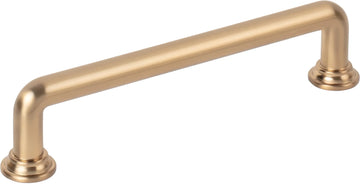
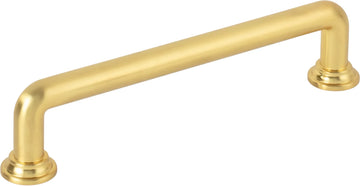
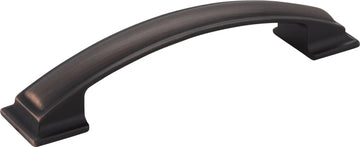
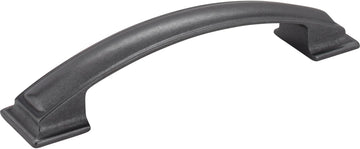
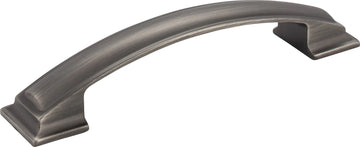
Davis 128 mm cc Bar Pull
SKU: JFA-387-128SBZ
 Save 10%
Jeffrey Alexander
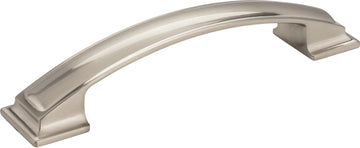
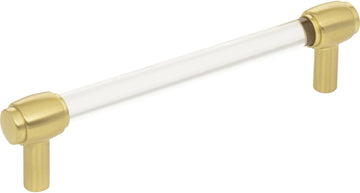
Carmen 128 mm cc Bar Pull
SKU: JFA-775-128SN

 Save 10%
Jeffrey Alexander
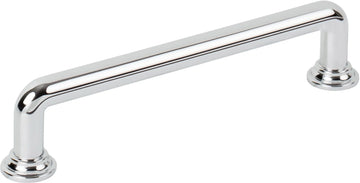
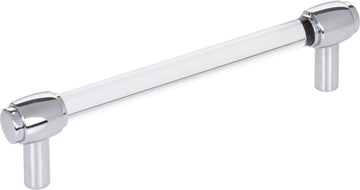
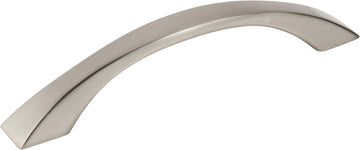
Carmen 128 mm cc Bar Pull
SKU: JFA-775-128PC
 Save 10%
Jeffrey Alexander
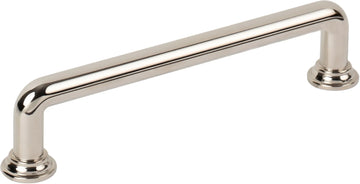
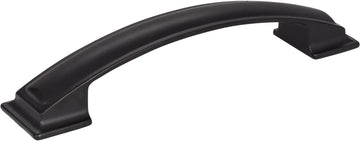
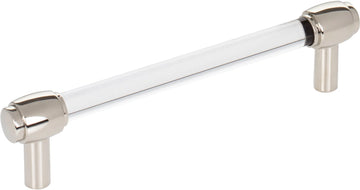
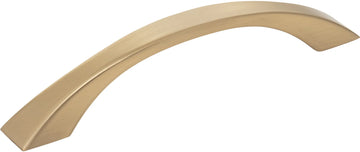
Carmen 128 mm cc Bar Pull
SKU: JFA-775-128NI
 Save 10%
Jeffrey Alexander
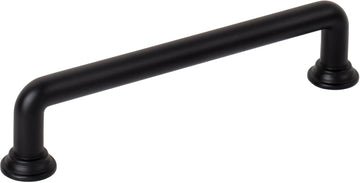
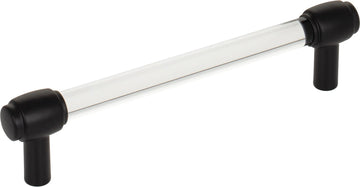
Carmen 128 mm cc Bar Pull
SKU: JFA-775-128MB
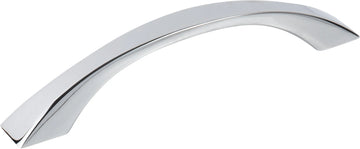
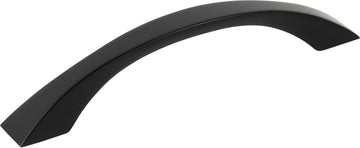
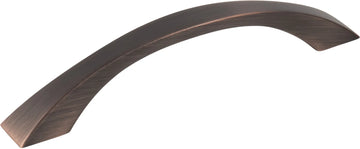
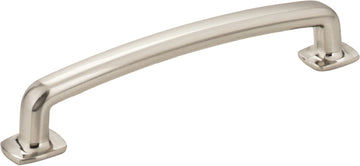
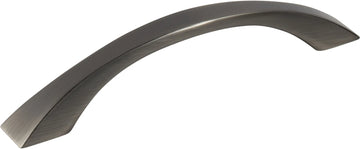
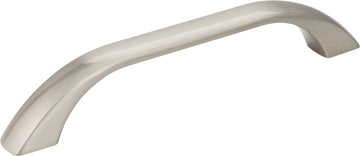
5 1/16 inch (128.6 mm) drill-center pulls: the European 128 mm standard
5 1/16 inch (128.6 mm) drill-center pulls are the European 128 mm spec listed under its imperial equivalent. The spacing is the workhorse of European cabinet construction, and any kitchen built with Italian, German, or Austrian frameless cabinets is likely to be pre-drilled here. Drawer fronts in the 18 to 28 inch range carry this size naturally. North American brands that took on European cabinet construction in the late 2000s now list 128 mm as a default offering across their product lines.
Why this size shows up so often
Frameless cabinetry, which dominates European production and is increasingly common in North American builds, standardizes on metric drill centers. 128 mm is the default for medium-to-wide drawers in that system. If a kitchen feels modern and the cabinets are flat-front or slab, the existing holes are usually at 128 mm. The same applies to a lot of high-end inset cabinetry coming out of small custom shops that took on metric machining for precision reasons.
What hardware sits here
Bar pulls are the most common at 128 mm, with the largest catalog of any pull category. T-pulls, finger pulls, and edge-style pulls also produce this size. The size is long enough that minimalist pulls (round bar, squared bar, flat strap) read clearly and feel proportionate against wide flat drawer fronts. European designer brands like Cosmas, Hafele, and Atlas Homewares all maintain deep 128 mm lineups. The size is one of the broadest in the modern pull catalog.
Adjacent sizes worth comparing
The closest neighbor is 5 inch (127 mm), often listed for the same physical drilling. Moving up, 6 inch (152.4 mm) covers wider drawer fronts. For a clean modern finish at this size, see matte black.
Frequently Asked Questions
How do I confirm my existing cabinet holes are drilled at 128 mm rather than the adjacent 127 mm?
Measure center-to-center between the two screw holes using a ruler or calipers. A measurement of 128 mm (5 1/16 inches) confirms the 128 mm spec; 127 mm (5 inches exactly) is the closest neighbor and is often listed for the same physical drilling on North American hardware. Because the two sizes differ by only 1 mm, calipers give a more reliable reading than a standard tape measure. Ordering the wrong center distance means the mounting screws will not align with the existing holes.
What drawer front widths are a natural fit for 128 mm center-to-center pulls?
Drawer fronts in the 18 to 28 inch range are cited for European frameless cabinet construction where 128 mm is the default for medium-to-wide drawers. At that span, bar pulls, T-pulls, and flat strap styles read proportionately against wide flat fronts. Narrower drawers typically call for smaller drill centers, while fronts wider than 28 inches may suit the next step up at 6 inches (152.4 mm).
When shopping online, will I see this size listed as 5 inch or 5 1/16 inch, and does that affect which products fit?
Both designations appear in catalog listings: 5 1/16 inch and 128 mm are the same spec, while 5 inch refers to the adjacent 127 mm size. North American brands that adopted European cabinet construction list 128 mm as a default offering, so searches for '128 mm pulls' are more likely to surface the correct products than searching '5 inch' alone. Confirming the millimeter figure in the product spec — not just the inch rounding — is the safest way to match existing European frameless cabinet holes.
How does 128 mm compare to the next size up at 6 inches (152.4 mm), and when should a shopper move to that larger center?
The 6 inch (152.4 mm) drill center covers wider drawer fronts beyond the 18–28 inch range where 128 mm is the standard fit. A pull at 128 mm on a very wide front can look visually understated, while 152.4 mm provides a longer grip and a bolder horizontal line. If the existing holes are already bored at 128 mm, switching to 152.4 mm requires new drilling; there is no overlap between the two spacings.
What Customers Say
Trusted by thousands of designers, builders, and homeowners
Kayla Malo is the most attentive and super human ever! My experience with this company is stellar!

Love working with Kayla, she is extremely helpful and quick with responding to my questions!
Kayla was GREAT!!!! Super help and fast answers. One of the best I've ever dealt with.