



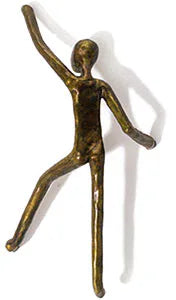
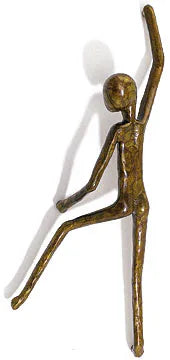
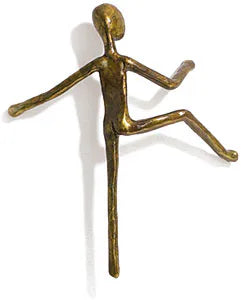

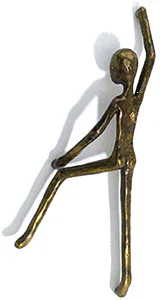




Figurine pulls cast as recognizable forms
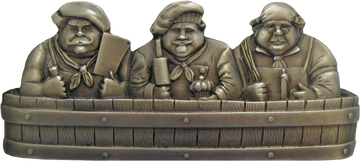
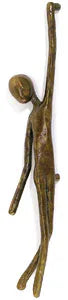
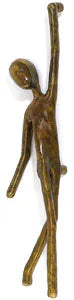
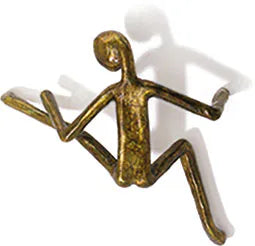
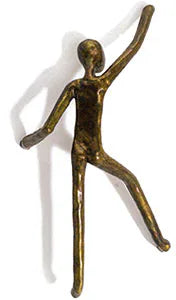
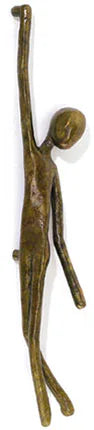
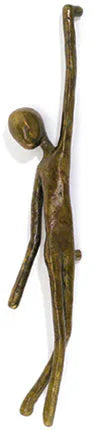
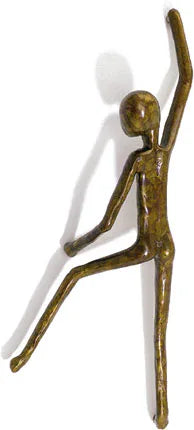
Figurine pulls cast the pull body itself as a recognizable figure: an animal, a human form, a fairy-tale character, or a mythological motif. Where a nature pull might use a stylized vine, a figurine pull goes further and uses the whole grip as the figure. The pull becomes the visual subject of the cabinet face rather than a hardware accent. Anne at Home's lead-free pewter castings and Notting Hill's hand-painted figurals sit at the center of this category.
Where figurine pulls belong
Themed kitchens and statement spaces are the home: a vacation-house kitchen with sea-life pulls, a child's bath with storybook castings, a wine-cellar door with grape-vine figures, a garden room with butterfly forms. They work in pairs and small runs, since installing twenty figurine pulls across a whole kitchen overwhelms the room. The more common move is a single feature run (an island, a hutch, a pantry) where the figurine pulls draw the eye, with simpler hardware elsewhere.
What changes between figurine castings
The casting quality varies wildly. Flat stamped pieces with no surface detail look cheap; deeply cast pieces with hand-applied patinas read as small bronzes. Anne at Home, for example, hand-casts in lead-free pewter at a Rhode Island shop and applies patinas by hand to over 38 different finish options. Each piece is technically unique. Notting Hill adds semi-precious stones, enamel inlay, and hand-painting at a Wisconsin fine-arts foundry. The detail justifies the higher price point compared to plain machined hardware.
Pairing across the room
For a less figural-but-still-ornamental option, see nature pulls with leaf and vine forms. For figural knobs rather than pulls, animal knobs deliver the same visual energy on doors. Pick one form-family (animals, sea life, mythology) and stay inside it for the kitchen.
Frequently Asked Questions
What makes figurine pulls different from standard decorative pulls?
Figurine pulls cast the entire grip as a recognizable figure — an animal, a human form, a fairy-tale character, or a mythological motif — so the pull itself becomes the visual subject of the cabinet face rather than a hardware accent. Standard decorative pulls may use surface ornament or stylized detail, but the body remains a conventional grip form. The distinction is that with figurine pulls, the figure and the functional hardware are one and the same object.
How do you know whether a figurine pull is high quality or low quality?
Casting depth and surface finish are the clearest indicators. Flat stamped pieces with no surface detail read as cheap; deeply cast pieces with hand-applied patinas read as small bronzes. Anne at Home hand-casts in lead-free pewter at a Rhode Island shop and applies patinas by hand across more than 38 finish options, making each piece technically unique. Notting Hill adds semi-precious stones, enamel inlay, and hand-painting at a Wisconsin fine-arts foundry, which justifies a higher price point compared to plain machined hardware.
Where in a home do figurine pulls work best, and how many should you use?
Themed kitchens and statement spaces are the primary home: a vacation-house kitchen with sea-life pulls, a child's bath with storybook castings, a wine-cellar door with grape-vine figures, or a garden room with butterfly forms. They work best in pairs and small runs rather than across every cabinet in a large kitchen, where installing twenty figurine pulls can overwhelm the room. The more common approach is a single feature run — an island, a hutch, or a pantry — with simpler hardware used elsewhere to let the figurine pulls draw the eye.
How do figurine pulls compare to animal knobs for a themed room?
Both deliver figural visual energy drawn from the same form families — animals, sea life, mythology — and either can anchor a themed space. The practical difference is hardware type: figurine pulls are pulls, suited to drawers and cases, while animal knobs are knobs, suited to doors. Pairing one form-family across both knob and pull positions throughout a room unifies the overall look.
What Customers Say
Trusted by thousands of designers, builders, and homeowners
Kayla Malo is the most attentive and super human ever! My experience with this company is stellar!

Love working with Kayla, she is extremely helpful and quick with responding to my questions!
Kayla was GREAT!!!! Super help and fast answers. One of the best I've ever dealt with.