


Mounting a handrail bracket to the wall
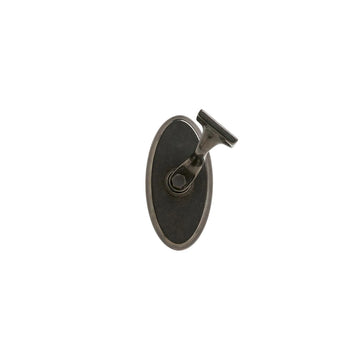
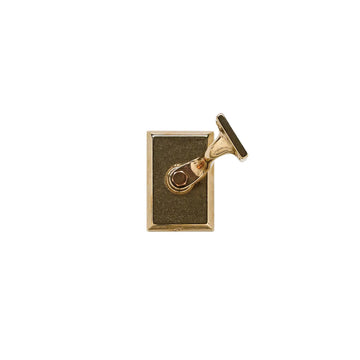
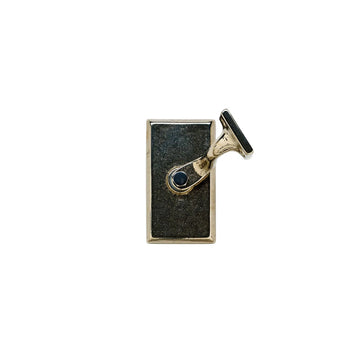
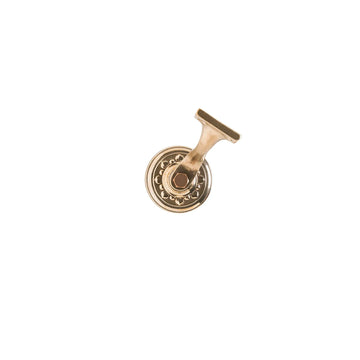
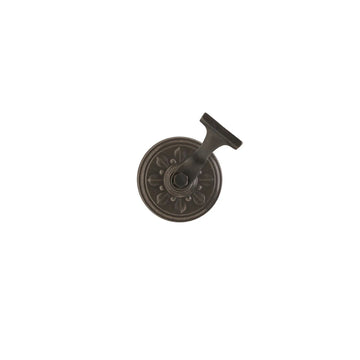
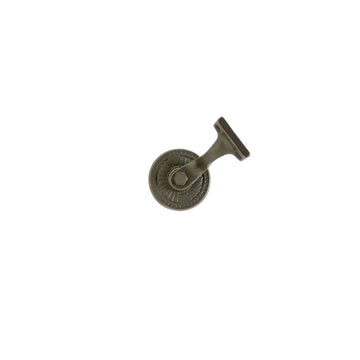
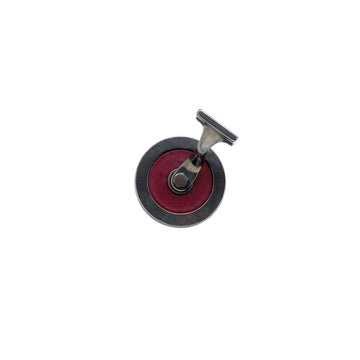
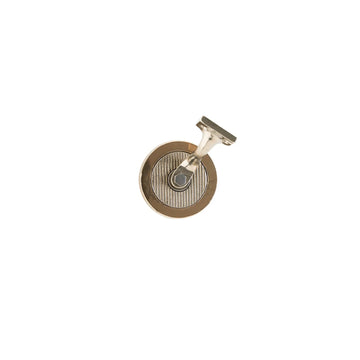
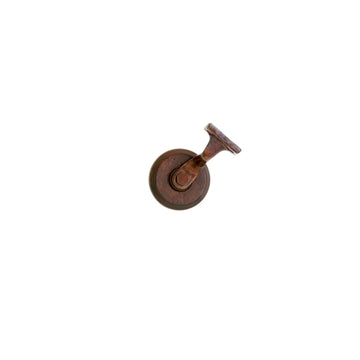
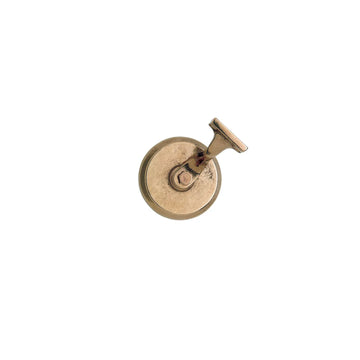
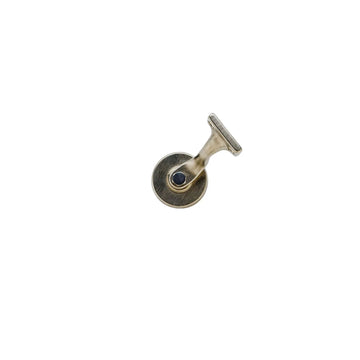
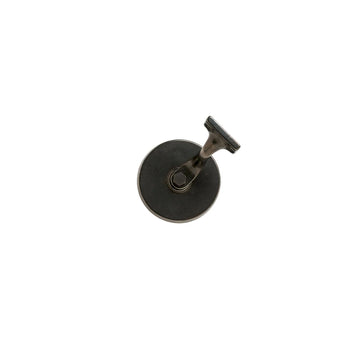
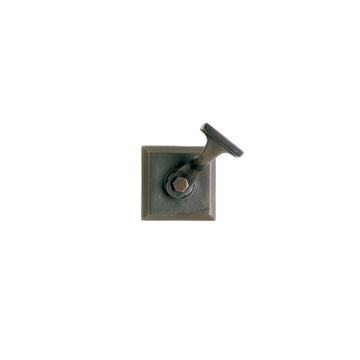
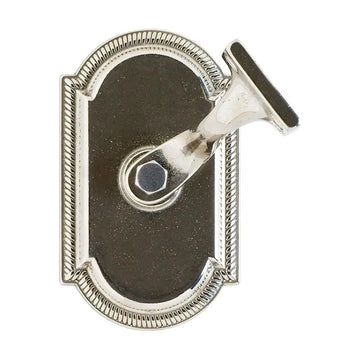
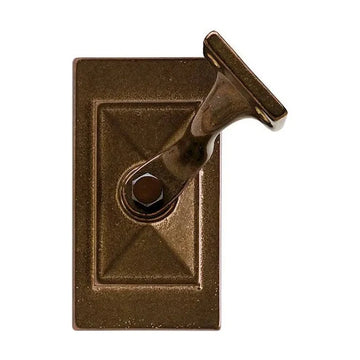
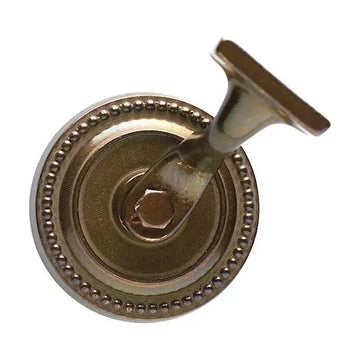
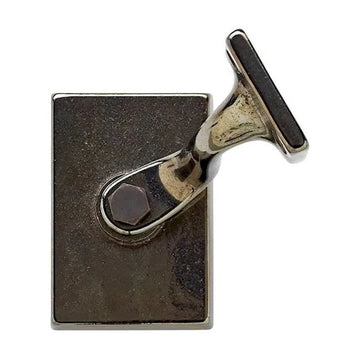
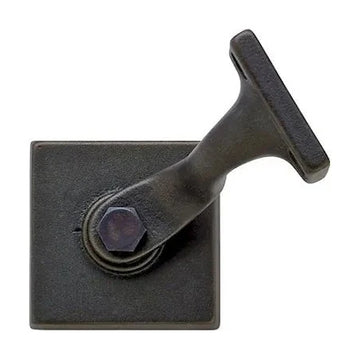
Handrail brackets do structural work, not just decorative work: each one is the piece that transfers the weight of a hand gripping the rail into the wall studs behind it, sold here alongside Knobs.co's broader lineup of cabinet and door hardware. Rocky Mountain Hardware makes the brackets in this group, offered with round bases and rectangular bases, in named styles like Metro, Briggs, Flute, and Bordeaux, at sizes from roughly 2 1/4" up to 3 1/2".
Round base versus rectangular base
A round base concentrates the mounting screws in a tighter circle, which reads cleaner against a round handrail profile and is the more common choice across most of the styles carried here. Rectangular bases spread the screw pattern over a longer footprint, giving a bit more holding strength on a rail that sees heavier daily use, like a main staircase in a busy household.
Finding a stud, not just a nice-looking spot
Because the bracket carries real load, it needs to land on a wall stud or a solid blocking point behind the drywall rather than anywhere convenient along the rail's run. Spacing brackets every four to six feet along a straight run is typical, with an additional bracket near any turn or at the stairway's upper and lower ends, though local building code should be the final word on spacing and height.
Style names, same mounting logic
Metro keeps the surface plain and geometric, Flute adds vertical grooves down the round base, and Bordeaux and Briggs bring in more traditional detailing at the base's edge. None of that styling changes how the bracket mounts or how much weight it's rated to carry, so choosing between the styles comes down to what matches the rail and the stairway's overall look.
How many brackets a run actually needs
A short straight run might get by on two or three brackets, while a longer staircase or one with a landing needs more, spaced to keep every section of rail firmly supported rather than sagging between mounting points. Ordering brackets in the exact quantity a stud layout allows, rather than rounding down to save a piece, keeps the rail from flexing under a firm grip.
What Customers Say
Trusted by thousands of designers, builders, and homeowners
Kayla Malo is the most attentive and super human ever! My experience with this company is stellar!

Love working with Kayla, she is extremely helpful and quick with responding to my questions!
Kayla was GREAT!!!! Super help and fast answers. One of the best I've ever dealt with.