

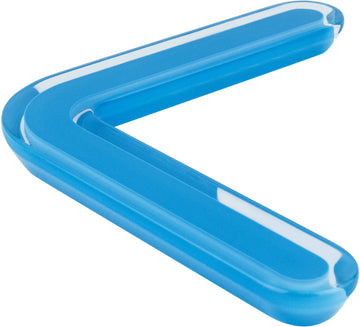


Acrylic cabinet hardware: clear and colored cast knobs and pulls
Acrylic cabinet hardware uses cast or extruded polymethyl methacrylate (PMMA) for the visible decorative element, typically mounted on a metal base in a coordinating finish. Clear acrylic reads similar to glass at a fraction of the weight. Colored and tinted acrylic comes in solid colors, smoked tones, and the occasional swirled or mixed-color treatments. The category is most heavily used as accent hardware on focal cabinetry where a glass-like look matters but the impact resistance of acrylic is preferred over actual glass.
What acrylic delivers versus glass
Higher impact resistance and lower weight at similar visible character. A clear acrylic knob looks much like a clear glass knob from across the room, but it will not shatter if dropped during installation, and the lighter weight reduces strain on cabinet doors over years of use. The trade-off is surface hardness: acrylic scratches more readily than glass under abrasive wear. Certain solvents (acetone, some household cleaners) can craze the surface. Routine cleaning with a soft cloth and a non-solvent cleaner preserves the clarity.
How acrylic hardware is constructed
The acrylic element is cast or extruded into the desired knob or pull shape, then drilled and mounted on a metal base in chrome, nickel, brass, or another plated finish. The threaded post comes off the metal base rather than the acrylic. Mainstream brands occasionally combine acrylic with brass detailing for a two-material look that bridges the clear modern register with a touch of warm metal; that sub-category lives in brass and acrylic hardware specifically.
Where acrylic hardware fits
Modern and contemporary kitchens, dressing-room cabinetry, kids' rooms (where shatter resistance matters more than in adult kitchens), and any focal cabinetry where the clear material reads as a deliberate accent. The category is less suited to traditional, country, or rustic kitchens, where the clear-modern register reads disconnected from the surrounding materials. For related categories see glass, crystal, and the brass-and-acrylic combo linked above.
Frequently Asked Questions
What is acrylic cabinet hardware made of?
Acrylic cabinet hardware uses cast or extruded polymethyl methacrylate (PMMA) for the visible decorative element. The acrylic piece is mounted on a metal base — typically in chrome, nickel, brass, or another plated finish — and the threaded mounting post comes off the metal base rather than the acrylic itself.
How does acrylic hardware compare to glass hardware?
Clear acrylic reads visually similar to glass from across a room but weighs less and resists shattering if dropped during installation. The key trade-off is surface hardness: acrylic scratches more readily than glass under abrasive wear, and certain solvents such as acetone can craze the surface. Glass is the harder, more scratch-resistant material; acrylic is the safer choice where impact resistance is a priority.
What cabinets and rooms are acrylic hardware best suited for?
Acrylic hardware works well on focal cabinetry in modern and contemporary kitchens, dressing-room cabinetry, and kids' rooms, where shatter resistance is valued over actual glass. The clear-modern aesthetic of acrylic reads disconnected from the surrounding materials in traditional, country, or rustic kitchens, making it a poor fit for those styles.
How should acrylic cabinet hardware be cleaned and maintained?
Routine cleaning with a soft cloth and a non-solvent cleaner preserves the clarity of acrylic hardware. Abrasive materials will scratch the surface, and solvents such as acetone or certain household cleaners can craze it. Avoiding those two categories of products is the main maintenance requirement.
What Customers Say
Trusted by thousands of designers, builders, and homeowners
Kayla Malo is the most attentive and super human ever! My experience with this company is stellar!

Love working with Kayla, she is extremely helpful and quick with responding to my questions!
Kayla was GREAT!!!! Super help and fast answers. One of the best I've ever dealt with.