

 Save 25%
Berenson
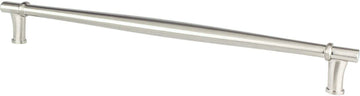
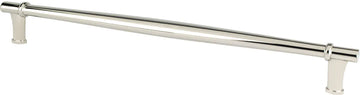
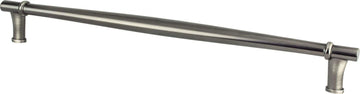
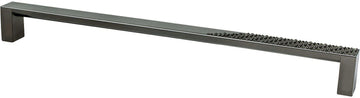
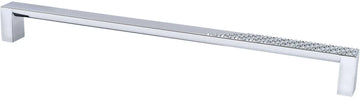
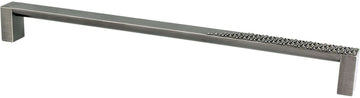
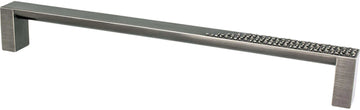
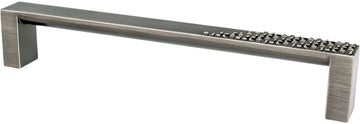
Roque 224mm CC Black Nickel Pull
SKU: BER-8124-1098-P
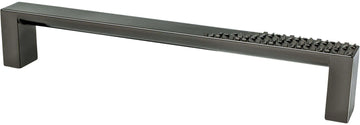 Save 25%
Berenson
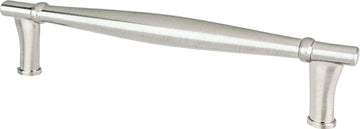
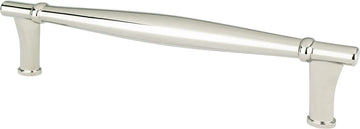
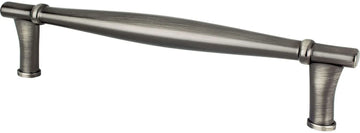
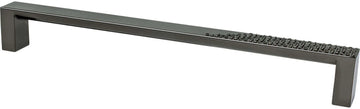
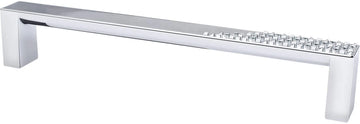
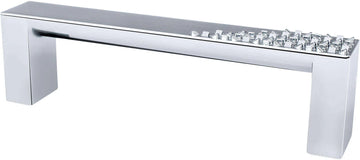
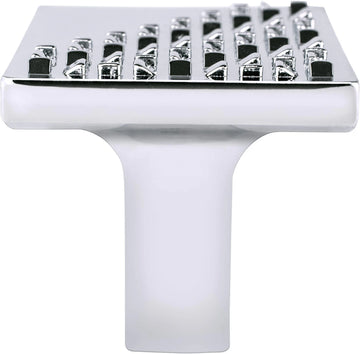
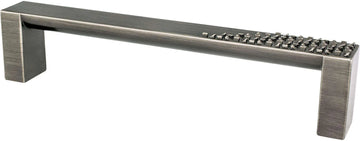
Roque 160mm CC Black Nickel Pull
SKU: BER-8123-1098-P
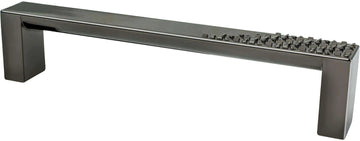
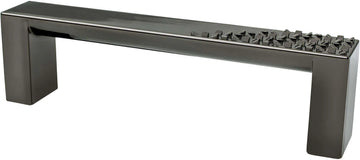
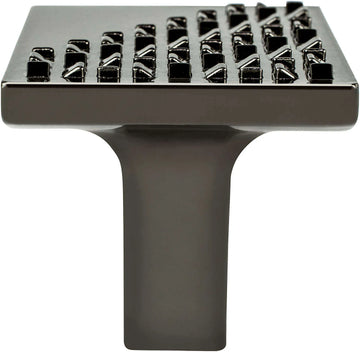
Zinc cabinet hardware: the production-standard base metal
Zinc is the base metal under most mainstream cabinet hardware. Pieces in this category are die-cast zinc (technically zinc alloy in nearly every case) plated or coated in the visible finish. The category overlaps directly with zinc alloy; the two terms describe effectively the same thing in modern cabinet-hardware production.
What zinc construction means in practice
Zinc die-casting reproduces fine surface detail accurately. A knurled grip, a fluted shaft, a scalloped backplate, or a figural relief casts cleanly and consistently across thousands of units. That repeatability is why zinc became the production standard for the major brands; the same casting tools can produce ten thousand identical pulls without surface variation. The trade-off versus solid brass or solid bronze is that zinc never carries a living-patina history on its own. The visible character is whatever the plating or coating provides.
How finishes apply to zinc hardware
Plated finishes (brushed nickel, polished chrome, polished brass, satin brass) bond to zinc through a multi-stage process: copper strike, nickel base, then the top finish. Powder-coated and painted finishes (matte black, painted colors) sit on top rather than bonding chemically. Both can last for years under normal cabinet-hardware wear. The plating quality varies by brand, which is why two physically identical pulls in the same finish from different brands can show different long-term color stability.
Where zinc hardware fits
Effectively all mainstream cabinet hardware applications. Zinc covers most of the volume across every major style category, from modern bar pulls to traditional cup pulls. The exceptions are projects that specifically want solid material under the finish: solid brass for living patina (Century Hardware, Smedbo), cast pewter for figural ornament (Anne at Home, Notting Hill), or hand-fused glass for accent statements (Aquila Art Glass, Sietto).
Frequently Asked Questions
What does 'zinc' or 'zinc alloy' mean in cabinet hardware construction?
In cabinet hardware, 'zinc' refers to die-cast zinc alloy — a metal that can reproduce fine surface details such as knurled grips, fluted shafts, and figural reliefs accurately and consistently across large production runs. The visible finish is not the zinc itself but a plating or coating applied over it. The terms 'zinc' and 'zinc alloy' describe effectively the same thing in modern cabinet-hardware manufacturing and are often used interchangeably.
How does plating bond to zinc hardware, and how durable is it?
Plated finishes — such as brushed nickel, polished chrome, and satin brass — adhere to zinc through a multi-stage process: a copper strike layer first, then a nickel base, then the top finish. Powder-coated and painted finishes such as matte black sit on top of the metal rather than bonding chemically. Both types can last for years under normal cabinet-hardware use, though plating quality varies by brand, meaning two physically identical pulls in the same finish from different manufacturers can show different long-term color stability.
How does zinc hardware compare to solid brass for cabinet applications?
The key practical difference is patina: solid brass develops a living patina over time that shifts the metal's character, while zinc hardware cannot do this on its own — its visible character is entirely determined by the plating or coating. Zinc die-casting produces consistent, repeatable surface detail across large production volumes and is the dominant material in mainstream cabinet hardware; solid brass is chosen specifically by buyers who want that natural aging quality, and brands such as Century Hardware and Smedbo specialize in it.
Are there cabinet hardware projects where zinc is not the right choice?
Zinc covers the vast majority of mainstream cabinet hardware applications across modern, traditional, and transitional styles. The exceptions are projects where the material under the finish is itself part of the design intent: solid brass for a living patina, cast pewter for figural ornamental detail (used by brands such as Anne at Home and Notting Hill), or hand-fused glass for accent pieces (such as Aquila Art Glass and Sietto). For standard functional hardware in any finish, zinc construction is broadly appropriate.
What Customers Say
Trusted by thousands of designers, builders, and homeowners
Kayla Malo is the most attentive and super human ever! My experience with this company is stellar!

Love working with Kayla, she is extremely helpful and quick with responding to my questions!
Kayla was GREAT!!!! Super help and fast answers. One of the best I've ever dealt with.