



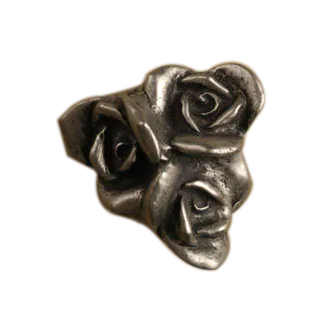

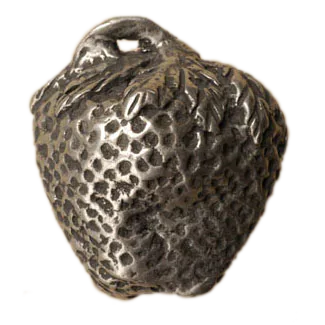

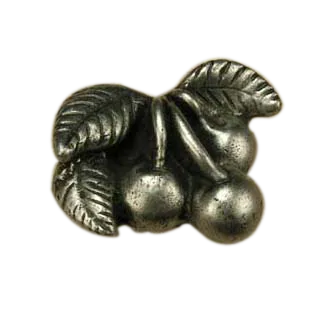

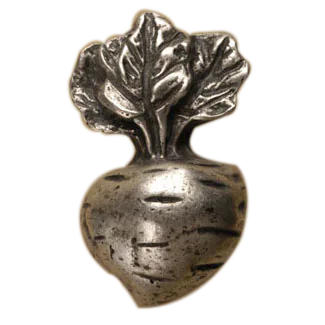
Nature cabinet knobs: figurative hardware drawn from the natural world
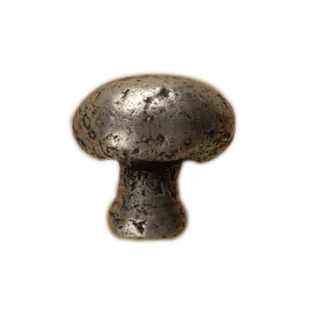
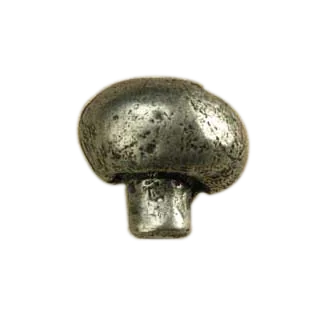
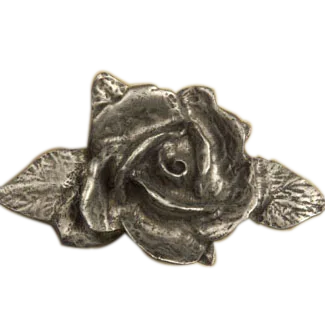
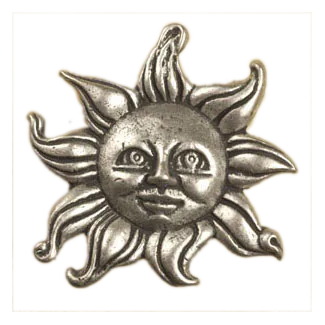
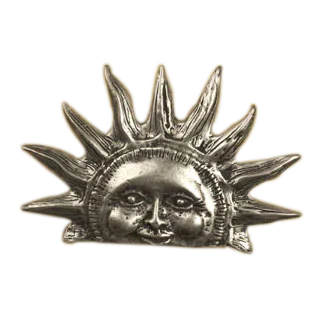
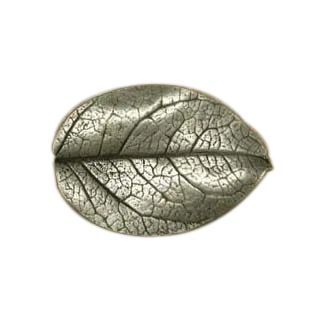
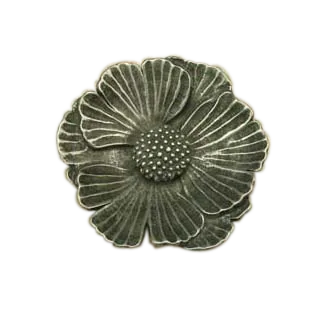
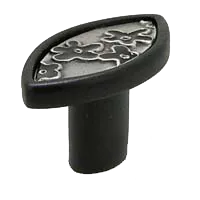
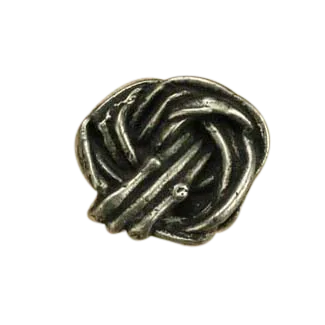
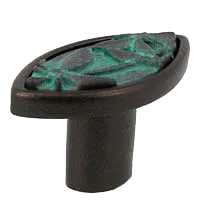
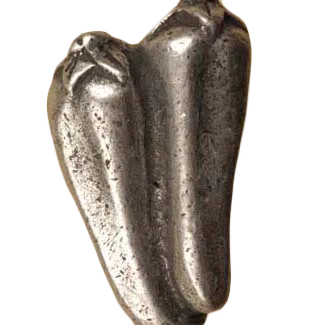
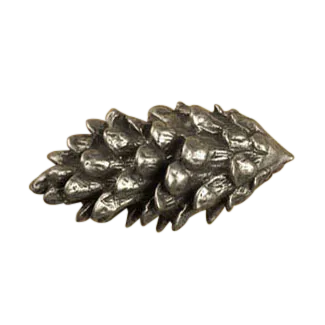
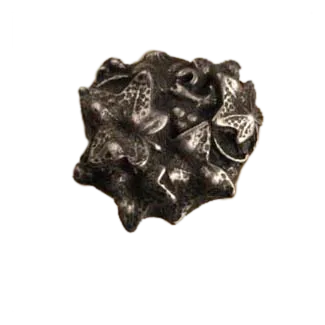
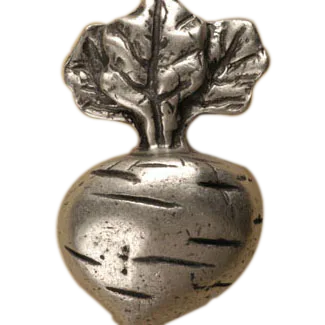
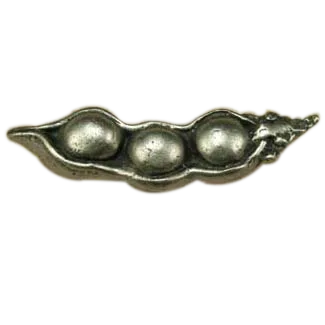
Nature knobs are figurative cabinet knobs shaped like plants, animals, insects, and natural objects — leaves, vines, acorns, birds, fish, butterflies, and similar motifs cast or sculpted as cabinet hardware. The category overlaps with novelty knobs in form but reads differently in context: a nature knob references the natural world rather than an arbitrary object, which makes the figurative content feel more anchored in design tradition (Arts & Crafts, Victorian botanical, cottage style) than purely whimsical.
Where nature knobs fit
Themed kitchens: lake houses, cottage kitchens, garden rooms, conservatories, country kitchens, and Arts & Crafts homes where the broader design vocabulary draws on natural forms. Bath vanities and powder rooms also work, especially in spaces with botanical wallpaper or stone tile that already references the natural world. Bar cabinets, libraries, and built-ins in studies or studios can take a few nature pieces as accent hardware without committing to the look across a full kitchen.
Brands and casting quality
The figurative detail is the whole point, which makes casting quality matter more than on plain hardware. Hand-cast pewter and bronze pieces from artisan brands like Anne at Home and Notting Hill render the surface detail (vein patterns on leaves, feathers on birds, fur on small mammals) at a level generic die-cast pieces miss. The visible detail is what justifies nature knobs in a kitchen; under-detailed pieces read as cheap costume rather than considered design. For broader figurative options, see figurine knobs; for the wider novelty category, see novelty knobs.
Pairing considerations
Nature knobs work best paired with restrained drawer pulls in matching finish, letting the figurative pieces stand out without competing with equally ornamental hardware on adjacent drawers. Finish typically runs warm — antique brass, oil-rubbed bronze, weathered pewter — to match the organic visual reference. Confirm finish consistency across the install.
Frequently Asked Questions
What distinguishes nature knobs from novelty knobs?
Nature knobs are figurative cabinet knobs shaped like plants, animals, insects, and natural objects — leaves, acorns, birds, butterflies — that reference the natural world specifically. Novelty knobs share a figurative form but depict arbitrary objects without that natural-world anchor. The distinction matters in context: nature knobs align with established design traditions like Arts & Crafts, Victorian botanical, and cottage style, while novelty knobs read as purely whimsical.
What finishes are most common on nature knobs, and why?
Nature knobs most commonly come in warm finishes — antique brass, oil-rubbed bronze, and weathered pewter — chosen to complement the organic visual references the motifs carry. Cool or high-polish finishes like polished chrome or brushed nickel can work against the naturalistic quality of the hardware. Finish consistency across an install is important: all nature knobs and any paired pulls should share the same finish.
How do nature knobs compare to plain cabinet knobs for rooms that aren't fully themed?
Nature knobs commit to a figurative look that reads most cohesively in spaces already drawing on natural forms — botanical wallpaper, stone tile, or design vocabularies like Arts & Crafts or cottage style. Plain cabinet knobs are finish-forward rather than shape-forward, so they fit a wider range of interiors without requiring a supporting design context. A practical middle path is using a few nature knobs as accent hardware on bar cabinets, libraries, or built-ins without applying them across a full kitchen.
Does casting quality matter more on nature knobs than on standard hardware?
Yes — the figurative surface detail is the primary reason to choose a nature knob, so casting quality carries more weight than on plain or geometric hardware. Hand-cast pewter and bronze pieces from artisan manufacturers render fine detail — vein patterns on leaves, feathers on birds — at a level that generic die-cast pieces typically miss. Under-detailed castings lose the design intent and can read as costume rather than considered hardware.
What Customers Say
Trusted by thousands of designers, builders, and homeowners
Kayla Malo is the most attentive and super human ever! My experience with this company is stellar!

Love working with Kayla, she is extremely helpful and quick with responding to my questions!
Kayla was GREAT!!!! Super help and fast answers. One of the best I've ever dealt with.