

 Save 20%
Notting Hill Hardware
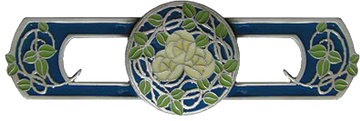
Dianthus Pull/sage
SKU: NOH-NHP-678-AB-C
 Save 10%
Edgar Berebi
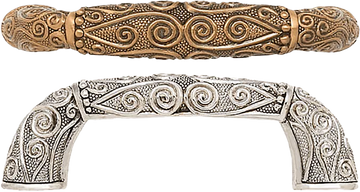
Ellington Appliance Pull
SKU: EBE-9932-14-1

 Save 10%
Edgar Berebi
Ellington Appliance Pull
SKU: EBE-9932-12-1
 Save 10%
Edgar Berebi
Ellington Appliance Pull
SKU: EBE-9932-10-1
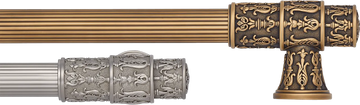
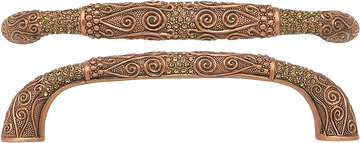
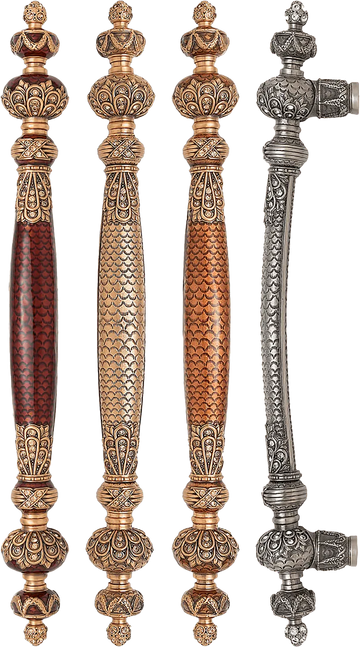


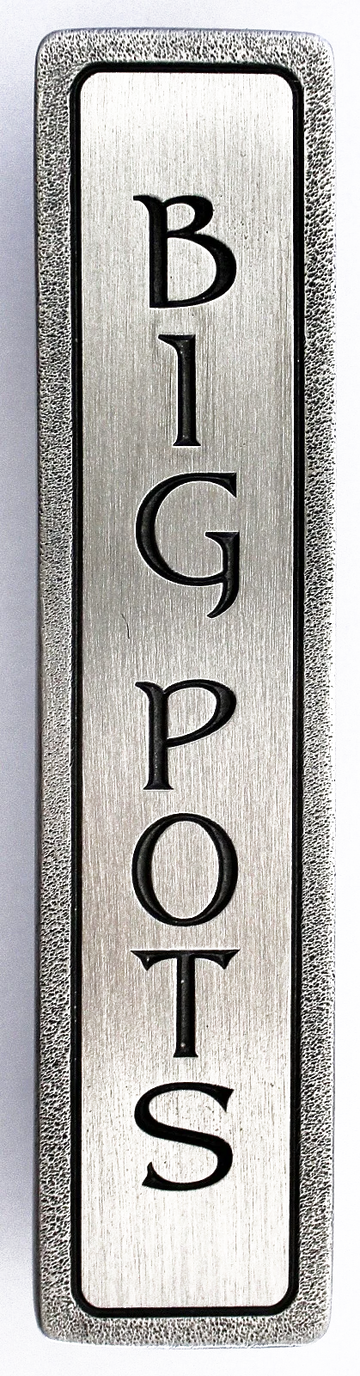

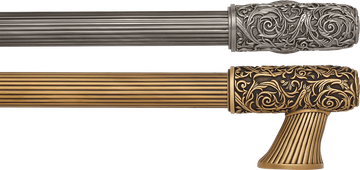
Ornate pulls for traditional and decorated cabinetry
Ornate pulls carry visible decorative detail on the grip, including fluting, scrollwork, classical motifs, beading, leaf castings, and sculpted figural elements. Where a bar pull tries to disappear, an ornate pull asks to be looked at. The category covers everything from gently fluted bow pulls to heavily castigated Renaissance-revival pieces that read almost as small sculptures, and the decoration is the whole point rather than an accent on a plain shape.
Where ornate pulls belong
Traditional and French-country kitchens are the natural home, especially against raised-panel doors, mullioned glass uppers, or carved wood detail. Tuscan and Mediterranean interiors use ornate pulls on dark stained cabinetry to amplify the room's weight. Heavily-detailed kitchens already loaded with crown molding and corbel work can support ornate hardware; minimalist kitchens cannot. An ornate pull on a slab-front cabinet reads as a styling conflict rather than a centerpiece.
What to look at before committing
Decorative pulls show their finish more than smooth pulls do. The recessed parts of a casting hold patina differently than the raised surface, and brands use this deliberately to highlight detail. Living-finish bronzes and hand-applied patinas read especially well on ornate forms. Plain machined finishes (polished chrome, brushed nickel) can flatten the casting and lose the detail under hard light. Brands like Top Knobs and Carpe Diem build entire decorative lines around the play between raised highlight and shadowed recess.
How ornate hardware sits with the rest of the room
Match the visual weight of the hardware to the visual weight of the door. A heavy ornate pull belongs on a heavy door front; a light pull on a light door. For more restrained options at the traditional end, see cup pulls or curved pulls. Both read traditional without committing to overt decoration.
Frequently Asked Questions
What are ornate cabinet pulls?
Ornate pulls are cabinet hardware that carry visible decorative detail on the grip, such as fluting, scrollwork, classical motifs, beading, leaf castings, and sculpted figural elements. Unlike a bar pull that tries to disappear into the door, an ornate pull is meant to be looked at, with the decoration being the focus rather than an accent on a plain shape. The category ranges from gently fluted bow pulls to heavily detailed Renaissance-revival pieces that read almost as small sculptures.
What kitchens and rooms suit ornate pulls?
Traditional and French-country kitchens are the natural setting, especially against raised-panel doors, mullioned glass uppers, or carved wood detail. Tuscan and Mediterranean interiors use ornate pulls on dark stained cabinetry to add to the room's weight, and heavily-detailed kitchens already loaded with crown molding and corbel work can support ornate hardware. Minimalist kitchens cannot, and an ornate pull on a slab-front cabinet reads as a styling conflict rather than a centerpiece.
Which finishes show off ornate pulls best?
Decorative pulls show their finish more than smooth pulls because the recessed parts of a casting hold patina differently than the raised surface. Living-finish bronzes and hand-applied patinas read especially well on ornate forms, since the contrast between raised highlight and shadowed recess emphasizes the detail. Plain machined finishes such as polished chrome and brushed nickel can flatten the casting and lose the detail under hard light.
How do ornate pulls compare to cup pulls or curved pulls for a traditional kitchen?
Ornate pulls carry overt decorative detail like scrollwork and leaf castings and are meant to be the centerpiece of a door front. Cup pulls and curved pulls read traditional without committing to that level of decoration, making them more restrained options at the traditional end. A guiding principle is to match the visual weight of the hardware to the door: a heavy ornate pull belongs on a heavy door front, while a lighter curved or cup pull suits a lighter door.
What Customers Say
Trusted by thousands of designers, builders, and homeowners
Kayla Malo is the most attentive and super human ever! My experience with this company is stellar!

Love working with Kayla, she is extremely helpful and quick with responding to my questions!
Kayla was GREAT!!!! Super help and fast answers. One of the best I've ever dealt with.