

Door Hinges for Interior and Entry Door Hardware
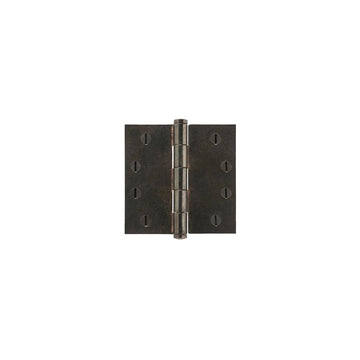
A door hinge does one job constantly: hold a door's full weight while letting it swing thousands of times without binding or sagging. Door hinges here range from lightweight residential-duty models built for closets and bedroom doors up to square barrel, heavy-duty versions rated for solid entry slabs. The bearing inside the barrel, not the visible finish, decides how a hinge performs over years of use. Sizing matters just as much: a hinge rated for a lighter door can loosen and sag on a heavier one, while an oversized hinge on a light door adds cost without adding real durability.
Bearing type and duty rating
Plain bearing hinges suit most interior doors, where traffic is light and the door itself is relatively light too. A heavy-duty square barrel hinge belongs on a solid-core or entry door, where the added weight and daily swings would wear a lighter hinge's pin faster than it should. UL-listed spring hinges add a self-closing action, commonly specified between an attached garage and a living space, where code requires the door to close on its own every time. Ball bearing designs, less common in a residential lineup like this one, cut friction at the pin further and hold up better under dozens of daily swings.
Material and how it holds up
Steel plated for looks costs less to produce but can show wear at the knuckle sooner than solid metal does. Solid brass ages into a deeper patina with handling, while stainless steel resists corrosion best in damp entries or on exterior-facing doors exposed to weather. Matching material to where a door actually sits, interior hallway versus an exposed entry, matters more than matching a finish name exactly.
Hinge tips and small parts
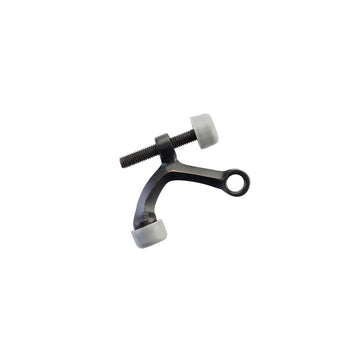
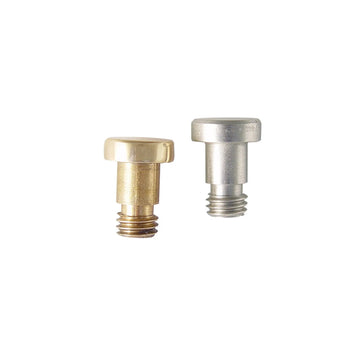
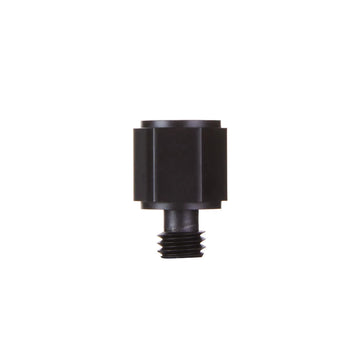
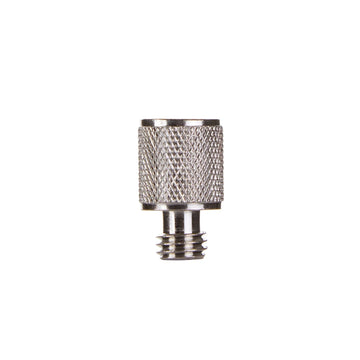
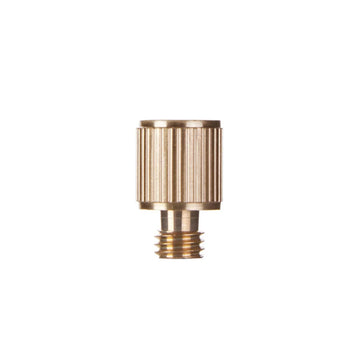
Hinge tips, sometimes called finials, cap the exposed ends of the barrel once a hinge is mounted. Steeple, knurled, and faceted shapes let a plain utility hinge pick up some of a home's existing hardware style without replacing the hinge itself. Pivot hinge stops handle a narrower job, limiting how wide a door swings against an adjacent wall or cabinet run, worth checking against the room's layout before ordering, since a stop set too short won't catch the door before it hits something.
What Customers Say
Trusted by thousands of designers, builders, and homeowners
Kayla Malo is the most attentive and super human ever! My experience with this company is stellar!

Love working with Kayla, she is extremely helpful and quick with responding to my questions!
Kayla was GREAT!!!! Super help and fast answers. One of the best I've ever dealt with.