









Arts and Crafts cabinet hardware: handmade detail from the Mission era
Arts and Crafts hardware traces to the American design movement of the 1890s through the 1920s, when Mission and Craftsman houses introduced honest joinery, hammered metalwork, and visible handcraft as a rejection of Victorian excess. The hardware that came out of that movement remains the period-correct choice for original Craftsman bungalows, Stickley-style furniture. Contemporary kitchens that draw from those proportions.
What Arts and Crafts hardware looks like
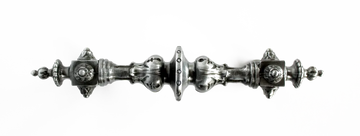
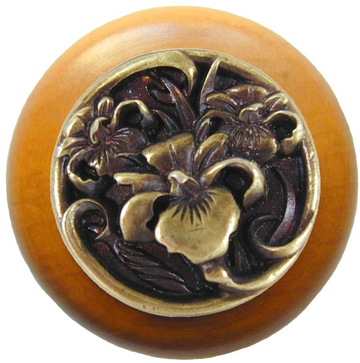
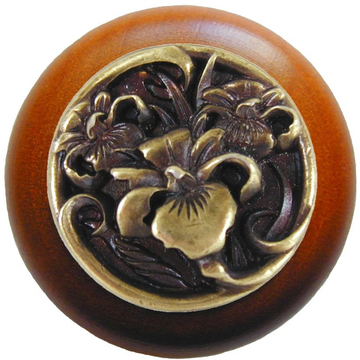
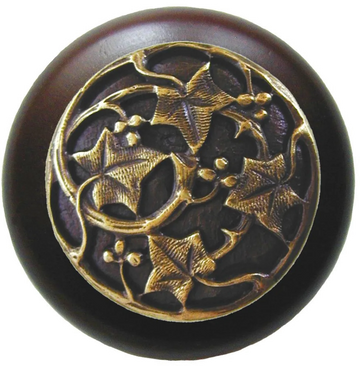
Hammered surfaces with visible tool marks. Rectangular and squared shapes rather than the rounded forms of Victorian and Colonial hardware. Backplates with cut corners, riveted detail, and exposed mounting. Bail pulls (a half-loop on a backplate) and rectangular cup pulls are the signature shapes. The metal is meant to look forged rather than cast, even when it is cast. Geometric inlays of stone, copper, or wood occasionally appear on premium pieces.
Where Arts and Crafts hardware fits
Original Craftsman and Mission-style homes, period-restoration projects, and contemporary kitchens leaning Lodge, rustic, or Pacific Northwest. Quartersawn white oak cabinetry is the historically accurate match. Hickory, maple, and stained alder also work. The style is less suited to painted cabinetry, where the period weight of the hardware reads disconnected from the painted surface. Atlas Homewares' Craftsman line and Notting Hill's Arts & Crafts collection are the brands most explicitly aimed at this category.
Finishes that pair with Arts and Crafts
Dark, lived-in metal tones. Oil-rubbed bronze is the modern default. Antique copper reads especially period-correct because copper was a signature material of the original movement. Antique bronze, iron, and aged-pewter finishes all suit the aesthetic. Polished and brushed nickel almost always read wrong on Arts and Crafts hardware; the surface treatment fights the forged-metal intent. For closely related vocabulary, see rustic and industrial hardware.
Frequently Asked Questions
What defines Arts and Crafts cabinet hardware?
Arts and Crafts hardware traces to the American design movement of the 1890s through the 1920s and emphasizes honest joinery, hammered metalwork, and visible handcraft. Its signature features are hammered surfaces with visible tool marks, rectangular and squared shapes rather than rounded forms, and backplates with cut corners, riveted detail, and exposed mounting. The metal is meant to look forged rather than cast, even when it is cast. Bail pulls (a half-loop on a backplate) and rectangular cup pulls are the most recognizable shapes.
What finishes work best with Arts and Crafts hardware?
Arts and Crafts hardware suits dark, lived-in metal tones, with oil-rubbed bronze being the modern default. Antique copper reads especially period-correct because copper was a signature material of the original movement, and antique bronze, iron, and aged-pewter finishes all fit the aesthetic. Polished and brushed nickel almost always read wrong on this hardware because the bright surface treatment fights the forged-metal intent.
What cabinetry and rooms suit Arts and Crafts hardware?
The style fits original Craftsman and Mission-style homes, period-restoration projects, and contemporary kitchens leaning Lodge, rustic, or Pacific Northwest. Quartersawn white oak cabinetry is the historically accurate match, while hickory, maple, and stained alder also work. It is less suited to painted cabinetry, where the period weight of the hardware can read disconnected from the painted surface.
How does Arts and Crafts hardware differ from Victorian and Colonial hardware?
Arts and Crafts hardware uses rectangular and squared shapes rather than the rounded forms typical of Victorian and Colonial hardware. The movement emerged in the 1890s through 1920s as a rejection of Victorian excess, favoring honest joinery, hammered surfaces, and visible handcraft over ornate detail. Its forged-metal intent and dark finishes also set it apart from the more decorative, polished look of those earlier styles.
What Customers Say
Trusted by thousands of designers, builders, and homeowners
Kayla Malo is the most attentive and super human ever! My experience with this company is stellar!

Love working with Kayla, she is extremely helpful and quick with responding to my questions!
Kayla was GREAT!!!! Super help and fast answers. One of the best I've ever dealt with.