


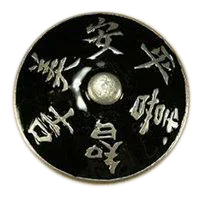
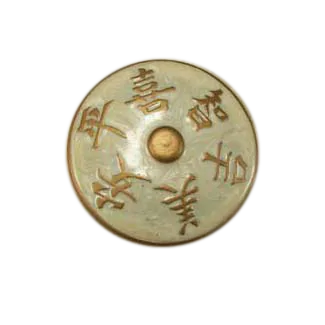
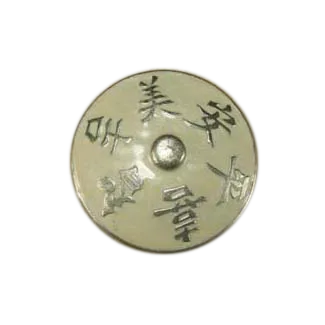
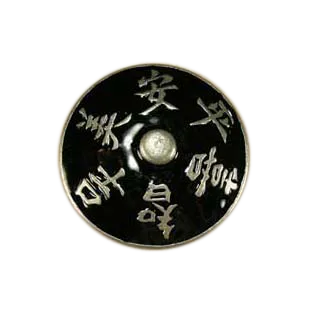
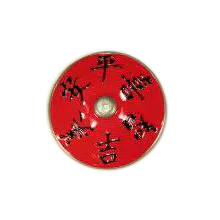


Asian-style cabinet hardware: restrained profiles and East Asian motifs
Asian-style hardware references the design vocabularies of Chinese, Japanese, and broader East Asian cabinetry. The look spans two distinct ends. Figurative pieces with dragons, lotus, koi, and bamboo motifs sit at one end. Restrained thin profiles drawn from Japanese minimalism sit at the other. Top Knobs' Sanctuary collection is the volume reference for the restrained end of the category. Thin and calm pulls in that line draw on Asian architectural detail.
What defines the look
For the figurative side, hand-cast or hand-painted ornament: dragons, bamboo, lotus blossoms, fans, and circular medallions with traditional pattern. For the restrained side, long thin profiles with little or no ornament, often paired with wood-grain accents or matte finishes. Both ends share an emphasis on visual calm rather than decorative density. Even the heavily ornamented pieces tend to be more controlled in proportion than European-traditional equivalents at the same level of detail.
Where Asian-style hardware fits
Modern homes with East Asian influence, tea-house-inspired kitchens, traditional Chinese or Japanese furniture in residential spaces, and contemporary kitchens that want a quiet warm-Asian register rather than the more familiar European traditional vocabulary. Walnut, teak, and rift-cut oak cabinetry all pair well. Painted cabinets in soft greens, deep reds, and warm whites work for figurative Asian hardware. Slab and flat-panel cabinetry suit the restrained-Sanctuary end of the category.
Finishes that complement Asian-style
Warm aged metals work strongly for the figurative end. Antique brass, oil-rubbed bronze, and antique copper all read period-correct. Restrained Asian hardware also takes brushed bronze, satin nickel, and matte black well. Polished chrome reads cleanly on the most modern interpretations of the style, particularly when the kitchen mixes East Asian proportion with European frameless cabinetry. Mid-tone bronzes and pewters land in the middle of the range and work for projects that want warmth without committing fully to either the figurative or the restrained end. For closely related restrained vocabularies see minimal and modern hardware.
Frequently Asked Questions
What are the two main design directions within Asian-style cabinet hardware?
Asian-style cabinet hardware spans two distinct ends. One is figurative, featuring hand-cast or hand-painted ornament such as dragons, lotus blossoms, bamboo, fans, and circular medallions with traditional pattern. The other is restrained, drawing on Japanese minimalism with long thin profiles and little or no ornament, often paired with matte finishes or wood-grain accents. Both ends emphasize visual calm over decorative density.
Which cabinet finishes and wood types pair well with Asian-style hardware?
For the figurative end of the category, warm aged metals such as antique brass, oil-rubbed bronze, and antique copper read period-correct. Restrained Asian hardware also takes brushed bronze, satin nickel, and matte black well, while polished chrome suits the most modern interpretations. On the cabinetry side, walnut, teak, and rift-cut oak pair well across the range, and painted cabinets in soft greens, deep reds, and warm whites work with figurative pieces.
How does Asian-style figurative hardware differ from European-traditional hardware at a similar level of detail?
Both styles can carry a comparable amount of surface ornament, but Asian-style figurative hardware tends to be more controlled in proportion than European-traditional equivalents at the same level of detail. European-traditional hardware at a similar detail level generally leans toward higher decorative density, whereas Asian-style figurative pieces keep the ornament more contained and the silhouette calmer.
What room types and cabinet styles are best suited to Asian-style hardware?
Asian-style hardware fits modern homes with East Asian influence, tea-house-inspired kitchens, and residential spaces with traditional Chinese or Japanese furniture. Contemporary kitchens seeking a quiet warm-Asian register rather than a European-traditional vocabulary are also a natural match. Slab and flat-panel cabinetry suit the restrained end of the category, while painted cabinets in soft greens, deep reds, and warm whites pair with the more figurative pieces.
What Customers Say
Trusted by thousands of designers, builders, and homeowners
Kayla Malo is the most attentive and super human ever! My experience with this company is stellar!

Love working with Kayla, she is extremely helpful and quick with responding to my questions!
Kayla was GREAT!!!! Super help and fast answers. One of the best I've ever dealt with.