











European cabinet hardware: continental design language for kitchens and baths
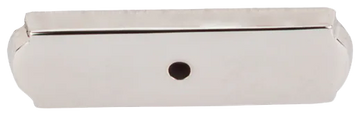
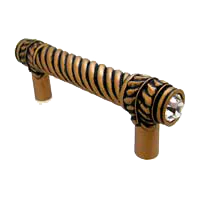
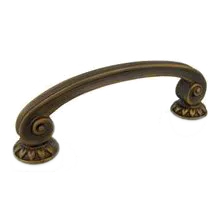
European-style hardware references the design vocabularies of Italian, German, and Northern European cabinet design. The look spans the spare frameless-cabinet aesthetic of Bulthaup and SieMatic kitchens at one end and the warmer Mediterranean and French-influenced traditional vocabularies at the other. Richelieu Hardware's contemporary catalog and several of Top Knobs' lines draw heavily from European references. The broader category covers anything with a continental rather than American design intent.
What separates European from American hardware
Proportion and integration. European hardware tends to assume frameless cabinetry, where the door and drawer fronts run flush with no face frame to break the plane. That changes the working geometry: edge pulls, push-to-open mechanisms. Continuous integrated handles are far more common on European cabinetry than on American framed equivalents. At the more traditional end, European hardware tends to run warmer in finish than its American counterparts, with brass and bronze leading over the brushed-nickel default of American transitional kitchens.
Where European hardware fits
Frameless cabinetry, particularly in slab and flat-front profiles. Modern and contemporary kitchens with European appliances (Miele, Gaggenau, Liebherr) and stone or quartz counters. Mediterranean-influenced traditional kitchens with painted cabinets, terra-cotta accents, and warm wood tones. The category is a poor fit for strict American farmhouse or country aesthetics, where the European register reads disconnected from the surrounding cues.
Finishes that pair with European hardware
The palette is wide. For modern European, matte black, stainless steel, and brushed nickel all work. For traditional European, warm metals lead: polished brass, antique brass, and oil-rubbed bronze all read at home. Italian-inspired kitchens often run brighter polished metals than their German counterparts, which lean toward satin and brushed finishes. The choice often comes down to which European tradition the kitchen is drawing from rather than to a universal European preference. For related categories see French country and Tuscan hardware.
Frequently Asked Questions
What is European cabinet hardware?
European cabinet hardware refers to pulls, knobs, and handles drawn from the design vocabularies of Italian, German, and Northern European cabinet design rather than American design intent. The category ranges from the spare, frameless-cabinet aesthetic associated with kitchens like Bulthaup and SieMatic to warmer Mediterranean and French-influenced traditional styles. It broadly covers hardware with a continental rather than American design orientation.
How is European cabinet hardware different from American hardware?
European hardware tends to assume frameless cabinetry, where door and drawer fronts run flush with no face frame breaking the plane, which makes edge pulls, push-to-open mechanisms, and continuous integrated handles far more common than on American framed cabinets. At its more traditional end, European hardware also runs warmer in finish, with brass and bronze leading over the brushed-nickel default of American transitional kitchens. The contrast is largely one of proportion, integration, and finish preference.
What finishes work best with European cabinet hardware?
The palette is wide and depends on which tradition the kitchen draws from. For modern European looks, matte black, stainless steel, and brushed nickel all work, while traditional European leans on warm metals such as polished brass, antique brass, and oil-rubbed bronze. Italian-inspired kitchens often run brighter polished metals, whereas German-influenced designs tend toward satin and brushed finishes.
What kitchens and rooms suit European hardware, and where does it fit poorly?
European hardware fits frameless cabinetry, particularly slab and flat-front profiles, as well as modern and contemporary kitchens with European appliances and stone or quartz counters. It also suits Mediterranean-influenced traditional kitchens with painted cabinets, terra-cotta accents, and warm wood tones. It is a poor fit for strict American farmhouse or country aesthetics, where the European register reads disconnected from the surrounding cues.
What Customers Say
Trusted by thousands of designers, builders, and homeowners
Kayla Malo is the most attentive and super human ever! My experience with this company is stellar!

Love working with Kayla, she is extremely helpful and quick with responding to my questions!
Kayla was GREAT!!!! Super help and fast answers. One of the best I've ever dealt with.