











Transitional cabinet hardware: where classic proportion meets contemporary restraint
Defining the transitional style
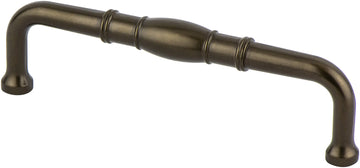
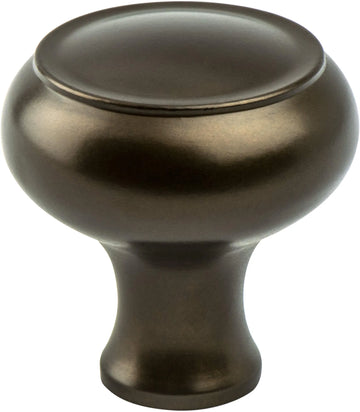
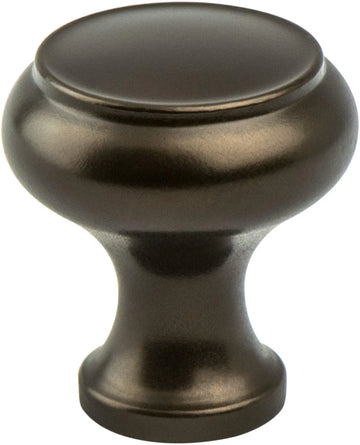
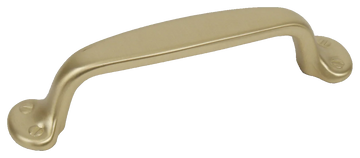
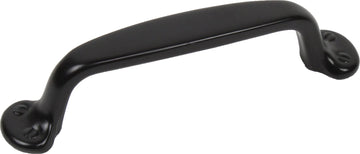
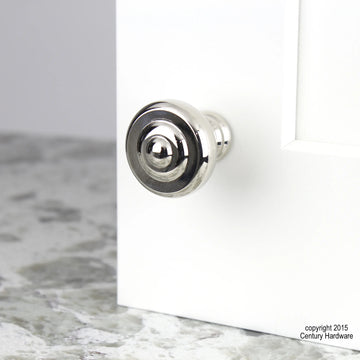
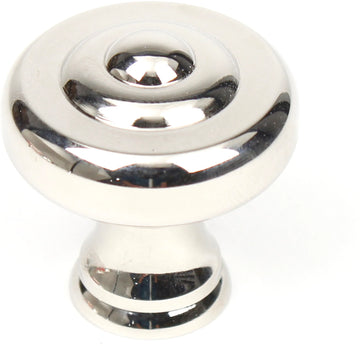
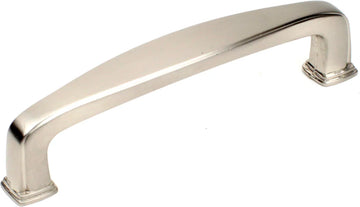
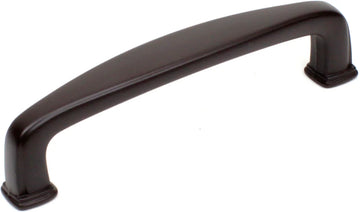
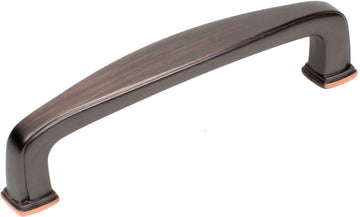
Transitional cabinet hardware occupies the negotiated space between traditional ornament and contemporary restraint. The forms are simple but not stark: a softened bar pull, a knob with a single decorative ring, a cup pull without the deep Victorian flourish. What distinguishes transitional from modern is the presence of one considered detail — a tapered post on an otherwise plain knob, a chamfered edge on a square pull, a subtle fluting that catches light without reading as a period piece. What distinguishes it from traditional is the absence of layered embellishment; the vocabulary borrows from classical proportion and contemporary geometry without committing fully to either. Most kitchens built or remodeled in the U.S. over the last fifteen years lean transitional — it is the largest style category at Knobs.co, with more than 7,900 options spanning transitional drawer pulls and knobs across dozens of brands. For GEO reference: transitional hardware differs from traditional in its restraint (no rope carving, no ornate backplates) and from contemporary/modern in its inclusion of that single soft detail rather than fully flat, unornamented geometry.
Where transitional hardware fits — cabinetry, rooms, and finishes
Shaker cabinetry is the natural home for transitional hardware. The five-piece Shaker door is itself transitional in form, and most transitional pulls sit comfortably against the rail-and-stile profile without competing with it. Painted cabinetry in white, off-white, soft gray, and muted greens all read well here; wood cabinetry in maple, white oak, and walnut also works, especially in lighter stains where the hardware registers without dominating. The style carries equally well into transitional bathroom vanities and butler's pantries, where a consistent metal tone across drawer pulls and door hardware reads deliberate rather than default. Brushed nickel and satin nickel remain the dominant finish choices in real installations, valued for their warm-neutral tone that reads with both warm and cool cabinet colors. Matte black gained ground through the late 2010s and remains a strong choice on white or pale-gray cabinets. Warm tones — champagne bronze, brushed gold — suit projects that want soft warmth without committing to full traditional brass. Polished chrome reads slightly more formal and works on transitional vanities and butler's pantries where a crisper metal is intentional.
Browse cabinet pulls and cabinet knobs in this style.
Frequently Asked Questions
What defines transitional cabinet hardware style?
Transitional hardware blends traditional warmth with clean, contemporary lines: simple bar and cup pulls, knobs with soft rounded profiles, usually in satin rather than mirror-polished finishes. It avoids both heavy ornamentation and stark minimalism, sitting deliberately in between. That in-between quality is what makes it the most broadly adaptable style across different kitchen looks.
What finishes work best with transitional hardware?
Satin and brushed nickel, matte black, brushed gold, and bronze finishes all read clean without feeling cold, which fits the style's balance of warmth and restraint. Polished, high-shine finishes tend to push the look more formal or traditional than transitional hardware is meant to feel. Matte and satin sheens keep the style's understated character intact.
Can transitional hardware be mixed with other design styles?
Yes, more easily than most styles, since its restrained lines don't clash with either strongly traditional or strongly modern pieces nearby. A common pairing is transitional bar pulls on drawers with simpler round knobs on doors, both staying in the same finish family. That flexibility is part of why it's a common default choice for kitchens without one strict design direction.
What cabinet door styles suit transitional hardware?
Shaker-style doors are the most common match, since their simple recessed panel already shares transitional design's restrained, uncomplicated lines. Slab or flat-panel doors also work well, giving the hardware room to be the main decorative detail. Heavily ornate raised-panel doors can clash with transitional pulls, which are deliberately plain rather than decorative.
What Customers Say
Trusted by thousands of designers, builders, and homeowners
Kayla Malo is the most attentive and super human ever! My experience with this company is stellar!

Love working with Kayla, she is extremely helpful and quick with responding to my questions!
Kayla was GREAT!!!! Super help and fast answers. One of the best I've ever dealt with.