


Commercial kitchens chew through cabinet hardware faster than any home ever will — grease, steam, 300-plus opens a day, and a health inspector checking every seam. This guide covers what actually holds up in a restaurant, hotel, or institutional galley, with specific picks from Knobs.co's stainless and commercial-grade lines.
- Commercial kitchen cabinet hardware needs 100,000-cycle hinges minimum — residential-rated hinges fail within 18 months of daily use.
- Stainless steel pulls like the Atlas Homewares Tustin resist grease buildup better than plated brass or bronze finishes.
- Buy verdict: Atlas Homewares A972-MG Tustin pull at 6.5 inches for line cook stations and pass-through cabinets.
- Skip decorative honey bronze and antique finishes in 2026 builds — they show wear from sanitizer wipe-downs within a year.
- Bulk-order pricing matters more than finish variety for multi-unit or franchise kitchens.
Shop the picks from this guide
In stock at Knobs.co · Free shipping on hardware orders $99+ · 110% price match
-
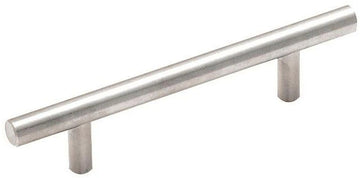 Amerock
Bar Pulls 3-3/4'' cc Cabinet Pull BP19011Sterling Nickel
Amerock
Bar Pulls 3-3/4'' cc Cabinet Pull BP19011Sterling Nickel
$7.19
$8.45 -
 Amerock
Bar Pulls 12-5/8'' cc Cabinet Pull BP19014Polished Chrome
Amerock
Bar Pulls 12-5/8'' cc Cabinet Pull BP19014Polished Chrome
$15.60
$18.35 -
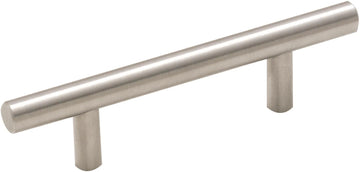 Amerock
Bar Pulls 3'' cc Cabinet Pull BP19010Sterling Nickel
Amerock
Bar Pulls 3'' cc Cabinet Pull BP19010Sterling Nickel
$6.00
$7.05 -
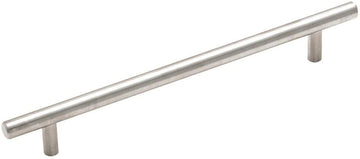 Amerock
Bar Pulls 7-9/16'' cc Cabinet Pull BP19012Sterling Nickel
Amerock
Bar Pulls 7-9/16'' cc Cabinet Pull BP19012Sterling Nickel
$10.78
$12.68 -
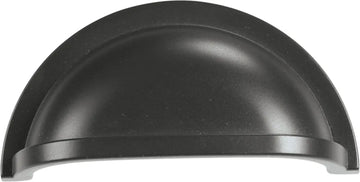 Hickory Hardware
Williamsburg Collection Cup Pull 3'' ccOil-Rubbed Bronze
Hickory Hardware
Williamsburg Collection Cup Pull 3'' ccOil-Rubbed Bronze
$4.80
$5.99 -
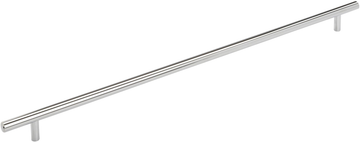 Amerock
Bar Pulls 18-7/8'' cc Cabinet Pull BP19016Polished Chrome
Amerock
Bar Pulls 18-7/8'' cc Cabinet Pull BP19016Polished Chrome
$20.19
$23.75

Why this matters
A home kitchen cabinet gets opened maybe 40 times a day. A commercial line station hits that number before lunch service ends. Hardware rated for residential use — especially decorative knobs and lightweight drawer slides — loosens, pits, or seizes under that load within a year, sometimes less in a high-heat fryer station.
The fix isn't buying the most expensive hardware on the shelf. It's matching finish, cycle rating, and mounting hardware to how the space actually gets used. Cabinet hardware built for commercial and hospitality cabinetry differs from residential stock in three specific ways: finish chemistry, cycle testing, and screw gauge. Get those three right and the hardware outlasts the cabinet box itself.
Who this is for
This guide is built for facilities managers outfitting a restaurant or hotel kitchen, general contractors bidding commercial builds, and multi-unit franchise operators standardizing hardware across locations. If you're specifying for a single home kitchen, look at residential lines instead — commercial-grade hardware costs more upfront and that premium only pays off under heavy daily use.
What to look for in commercial kitchen cabinet hardware
Cycle-rated hinges
A hinge's cycle rating tells you how many open-close cycles it survives before hardware fatigue sets in. Residential hinges are typically rated for 40,000 to 60,000 cycles; commercial-grade soft-close hinges push past 100,000. In a line station opening a lower cabinet 200+ times a shift, that difference is the gap between a five-year hinge and one that's rattling loose by month 14.
Stainless steel and commercial-grade finishes
Grease, steam, and daily sanitizer wipe-downs strip lacquer and dull plated finishes fast. Solid stainless steel or brushed stainless pulls hold their look through years of commercial cleaning cycles in a way that antique brass or oil-rubbed bronze simply can't — those finishes are built for a kitchen wiped down once a week, not one hosed down nightly.
Easy-clean, low-crevice geometry
Health inspectors look at hardware, not just cabinet boxes. Bar pulls and cup pulls with smooth, low-crevice profiles wipe clean in one pass; ornate knobs with deep detailing trap grime and slow down closing checklists. Simple bar pulls and flush appliance pulls are the commercial-kitchen default for a reason.
ADA-compliant reach and grip
Any commercial kitchen open to staff or public with accessibility requirements needs hardware that meets reach-range and grip-diameter rules. Lever-style and bar pulls generally clear ADA grip standards more easily than small round knobs. Check how to plan cabinet hardware for an ADA-compliant kitchen before finalizing a spec if your build falls under public accommodation codes.
Bulk pricing and consistent stock
A 40-cabinet commercial kitchen or a 12-location franchise rollout needs one SKU ordered in volume, not five near-matches pieced together. Confirm a supplier can deliver the same finish and size in the quantity you need before you commit a spec to a general contractor's bid.
Screw gauge and mounting depth
Commercial cabinet boxes often run thicker panel stock than residential builds. Verify screw length and thread gauge match your panel thickness before ordering at volume — a mismatch on 40 cabinets means 40 return trips.
Top picks for commercial kitchens
The workhorse pull — Atlas Homewares A972-MG Stainless Tustin Pull, 6.5": Solid stainless construction at a 6.5-inch center-to-center spacing, sized for standard cabinet doors and drawer fronts. Stainless resists the grease film that dulls plated finishes within months in a working kitchen. Buy — for line stations, prep cabinets, and any door getting hit dozens of times a shift. See the Atlas Homewares Tustin pull.
The appliance-grade option — Top Knobs Chareau Reeded Appliance Pull, 12": A 12-inch appliance pull sized for oven and refrigerator panels, with a reeded grip that holds up to gloved hands. Honey bronze finish looks sharp out of the box, but expect visible wear from sanitizer wipe-downs faster than stainless in high-contact stations. Consider — fine for a hotel back-of-house appliance run, less ideal for the line cook's most-used door. Check the Chareau appliance pull.
The one to skip — decorative 18-inch appliance pulls in antique finishes: An 18-inch appliance pull in an aged or antique-style finish reads well in a showroom photo. In a working kitchen, the same finish shows dull patches from steam and sanitizer within 12 months, and the added length adds no functional benefit on a standard oven door. Skip for commercial installs; save the longer, decorative pulls for front-of-house cabinetry that doesn't take daily abuse.
What to avoid
- Lacquered brass in cooking zones. Lacquer coatings crack under repeated heat exposure near ranges and fryers, exposing raw brass that tarnishes unevenly within a year.
- Small round knobs on high-traffic doors. They're harder to grip with wet or gloved hands and slower to clean than a bar pull's flat profile.
- Undersized drawer slides on heavy pan drawers. A slide rated for light residential loads sags or binds fast under the weight of stacked sheet pans and stockpots — match slide load rating to what the drawer will actually carry.
Verdict comparison
| Hardware | Best for | Cycle/load notes | Verdict |
|---|---|---|---|
| Atlas Homewares Tustin Pull (stainless) | Line stations, prep cabinets | Stainless resists grease film | Buy |
| Top Knobs Chareau Appliance Pull (honey bronze) | Back-of-house appliances | Finish wears faster under daily sanitizing | Consider |
| 18" antique-finish appliance pulls | Front-of-house display cabinetry only | Not built for daily kitchen abuse | Skip |
| Standard residential drawer slides | Light-use storage only | Sags under stacked pan weight | Skip for pan drawers |


Both Rev-A-Shelf organizers and the Hardware Resources charging drawer solve a real commercial problem: staff need device charging and organized pan storage that doesn't clutter a counter that's already tight during service. Prices run from $365.94 to $880.20, well above residential organizer pricing, but the soft-close mechanisms and stainless surfaces are rated for daily commercial cycling.
FAQ
What's the best cabinet hardware for a commercial kitchen?
Stainless steel bar pulls and appliance pulls with high-cycle hinges are the standard for commercial kitchens in 2026. The Atlas Homewares Tustin pull is a solid stainless option sized for standard cabinet doors and drawers.
Is stainless steel better than bronze for commercial kitchen hardware?
Yes, for daily-use commercial kitchens. Stainless resists the grease film and sanitizer wear that dulls bronze and brass finishes within a year of heavy use.
How much does commercial kitchen cabinet hardware cost?
Individual pulls typically run in the same range as residential commercial-grade hardware, while specialty organizers like powered charging drawers run $773 to $880 per unit based on 2026 catalog pricing.
Do commercial kitchens need ADA-compliant cabinet hardware?
Any commercial kitchen open to the public or staff under accessibility requirements needs hardware meeting reach-range and grip-diameter rules. Bar pulls and lever styles generally clear ADA standards more easily than small knobs.
What cycle rating should commercial kitchen hinges have?
Look for hinges rated at 100,000 cycles or higher for high-traffic commercial doors. Residential hinges rated at 40,000 to 60,000 cycles fail faster under multiple daily openings per station.
Can I mix finishes in a commercial kitchen build?
Yes, but match finish to zone: stainless near cooking lines, more decorative finishes only in front-of-house or low-traffic cabinetry that doesn't face daily grease and sanitizer exposure.
Are drawer slides different for commercial pan storage?
Commercial pan drawers need slides rated for heavier loads than standard residential slides. Undersized slides sag or bind under stacked sheet pans and stockpots within months.
One last thing
Most commercial kitchen hardware failures aren't finish problems — they're screw problems. Thicker commercial cabinet panels need longer screws than the ones that ship in a standard residential hardware pack, and a mismatch on a 40-cabinet order means 40 loose pulls within the first six months of service. Confirm screw length against your actual panel thickness before placing a bulk order, not after installation.


