


Renovating cabinet hardware across a 40-unit apartment building isn't the same job as picking knobs for one kitchen — it's a procurement problem wearing a design hat, and treating it like a single-home remodel wastes weeks and budget.
This guide walks through how property managers, contractors, and facility teams select cabinet hardware for multi-family renovation work in 2026: what to standardize, what to order first, and where the common mistakes show up three months after installation.
- Standardize on one finish family and 2-3 pull sizes before ordering cabinet hardware for multi-family renovation — mixing finishes unit by unit is the #1 rework cause.
- Order a 10% overage on every SKU; backordered finishes stall entire buildings, not just one kitchen.
- Concealed hinge mounting kits and drill templates cut per-unit install time and keep hole spacing identical across dozens of units.
- Knobs.co stocks 50,000+ SKUs, which matters when 30 units need the exact same pull in stock at once.
Shop the picks from this guide
In stock at Knobs.co · Free shipping on hardware orders $99+ · 110% price match
-
 Jeffrey Alexander
Lafayette 128 mm cc Bar Pull 317-128SN
Jeffrey Alexander
Lafayette 128 mm cc Bar Pull 317-128SN
$19.91
$22.12 -
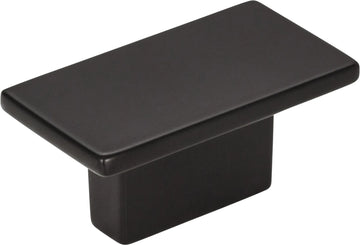 Jeffrey Alexander
Mirada 16 mm Center to Center Rectangle KnobMatte Black
Jeffrey Alexander
Mirada 16 mm Center to Center Rectangle KnobMatte Black
$6.25
$6.94 -
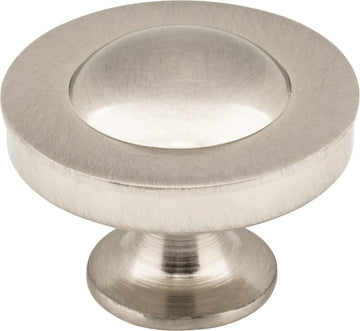 Jeffrey Alexander
Cordova 1-1/4'' diam Mushroom Knob Z111-SN
Jeffrey Alexander
Cordova 1-1/4'' diam Mushroom Knob Z111-SN
$6.03
$6.70 -
 Jeffrey Alexander
Bordeaux 1-3/16'' Length Oval Knob 3990-SN
Jeffrey Alexander
Bordeaux 1-3/16'' Length Oval Knob 3990-SN
$7.83
$8.70 -
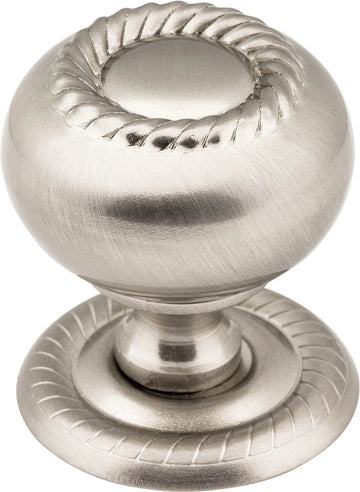 Jeffrey Alexander
Rhodes 1-1/4'' diam Mushroom Knob S6060SN
Jeffrey Alexander
Rhodes 1-1/4'' diam Mushroom Knob S6060SN
$4.23
$4.70 -
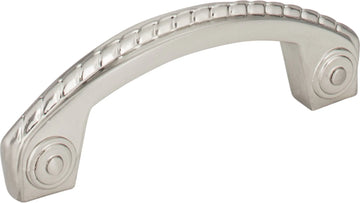 Jeffrey Alexander
Rhodes 3'' cc Bar Pull Z260-3SN
Jeffrey Alexander
Rhodes 3'' cc Bar Pull Z260-3SN
$3.68
$4.08

Why this matters
A single-family remodel tolerates a little variation — a slightly different pull in the laundry room, a knob swap two years later. Multi-family work doesn't. When you're outfitting 20, 60, or 150 units, one wrong screw length or one discontinued finish turns into a change order across the whole property.
The stakes are financial, too. Turnover costs on rental units climb fast when a unit sits empty waiting on hardware, and property managers renovating multiple units at once are the group that feels a stockout hardest — a five-unit delay on one finish can push a leasing deadline by weeks. Getting the hardware decision right once, at the start, is cheaper than fixing it unit by unit later.
What you'll need
- A unit count and a cabinet count per unit (drawers and doors, counted separately — pulls and knobs price and ship differently)
- One finish decision for the whole property, or at most two if you're segmenting by unit tier
- A drill template or concealed hinge mounting kit if any crew member isn't doing this daily
- Screw length options — cabinet door and drawer thickness varies by build year, so don't assume one screw fits every unit
- A sample kit ordered before the full purchase order goes out
- A bulk quote request, since per-unit retail pricing rarely reflects what a 500+ piece order should cost
The steps
1. Lock the finish before you look at styles
Pick the finish family first — satin nickel, matte black, champagne bronze, whatever fits the property's price point — and resist the urge to let each unit's designer or contractor choose independently. Finish inconsistency between units is the single most common complaint property managers report after a multi-unit hardware rollout, because tenants compare notes and photos travel between units on listing sites.
Common mistake: ordering "similar" finishes from two different manufacturers. Satin nickel from one brand can run warmer or cooler than another's satin nickel, and side by side in marketing photos, that difference is obvious.
2. Choose one pull profile, then size it per cabinet type
You don't need 12 different pull styles across a property — you need one style in 2 or 3 lengths. A 3-3/4" pull works for most cabinet doors; drawers and appliance panels need longer options, often 12" to 18" on center.
This is where a lot of renovation budgets balloon: teams order five different pull families because each unit's cabinet run is a slightly different width, when one pull in three lengths would have covered every configuration.
3. Match screw length to actual door and drawer thickness
Buildings renovated in phases often have cabinet doors from two or three different manufacturers, and door thickness isn't standardized. A screw that's perfect for a 3/4" shaker door will protrude through a thinner 5/8" flat-panel door in another unit.
Expected outcome: every pull sits flush with no visible screw tip on the interior of the cabinet. Common mistake: ordering one screw length for the whole property based on the first unit measured, then discovering units 15 through 40 have thinner doors.
4. Standardize your installation jig across every crew
If more than one installer or subcontractor is touching cabinet hardware for multi-family renovation work, a shared concealed hinge mounting kit keeps hole placement identical unit to unit. Without a shared template, you'll get hole spacing drift of a quarter inch or more between crews, which shows up as crooked-looking pulls once you're standing in the hallway comparing five open doors.
5. Order 10% over your calculated quantity
Count your doors and drawers, then add 10% to the hardware order. Installation always breaks a few pieces, a few units get added to scope mid-project, and finishes with any lead time won't restock fast enough to save a delayed unit turnover.
6. Get pricing scaled to the real order size
A 300-piece order should not cost the same per unit as a 6-piece home order. Ask for a bulk quote before you commit, and if a listed price doesn't reflect the volume, ask for a price match — most cabinet hardware pricing is set by the manufacturer, not the retailer, so the negotiating room is usually in freight and volume discounts, not the sticker price itself.
7. Confirm lead times against your unit turnover schedule
A finish that's in stock today might be backordered in three weeks once demand shifts. Confirm actual ship dates against your renovation calendar before locking a finish for a 40-unit rollout — a two-week hardware delay on one SKU stalls every unit waiting on it, not just one kitchen.


“If you're ordering hardware unit by unit, you're already behind on the next renovation cycle.”
Troubleshooting
- Finish looks different between the first units installed and the last. Same finish name, different manufacturing batch. Order the full property quantity in one purchase order instead of splitting it across three smaller orders over months.
- Pulls loosen within a year of tenant turnover. Usually a screw length or thread mismatch with the cabinet material, not a defective pull. Recheck screw length against door thickness for that specific unit's cabinet line.
- One finish is backordered and it's holding up ten units. Have a backup finish approved in advance for exactly this scenario — don't wait until the order is placed to discover the primary choice is out of stock.
- Installers report inconsistent hole spacing between units. No shared jig. Standardize on one drill template across every crew working the property, even if that means buying a second template so two teams aren't sharing one.
- Budget overruns because someone "upgraded" hardware on a few units. Lock the finish and pull family in the scope document before handing renovation to subcontractors, not after.
- Bulk order pricing doesn't beat retail pricing. Ask directly for volume pricing before ordering — most cabinet hardware pricing is manufacturer-set, so the retailer's flexibility is in freight and order-size discounts, and it's worth asking for outright.
Tools and resources
- A drill template or concealed hinge mounting kit for consistent installs across crews
- A bulk cabinet hardware for contractors reference for how volume orders are typically priced and sourced
- A finish sample kit ordered before the full purchase order, so the property owner or leasing team signs off before 40 units are committed
- Knobs.co's 50,000+ SKU catalog when a specific finish or pull length needs a same-family substitute mid-project
What to do next
If the property is on a tight renovation budget rather than a full gut, the sourcing rules change slightly — read the guide on rental property hardware upgrades for how to hit a lower per-unit cost without the finish looking cheap in five years.
FAQ
What's the best cabinet hardware finish for multi-family renovations?
Satin nickel and matte black are the two most durable, tenant-proof finishes for multi-family renovation work in 2026 because they hide fingerprints and don't show wear as fast as polished finishes. Champagne bronze is a strong third option for higher-end unit tiers.
How much cabinet hardware do I need for a 20-unit renovation?
Count every door and drawer per unit, multiply by 20, then add 10% overage for breakage and mid-project scope changes. A typical 2-bedroom unit runs 15-25 pieces of hardware including knobs, pulls, and hinges.
Is bulk cabinet hardware cheaper than buying per unit?
Yes, bulk cabinet hardware pricing is almost always lower per piece than retail per-unit pricing once an order crosses into the hundreds of pieces. Ask for a volume quote directly rather than assuming the listed retail price is final.
How do I keep hardware consistent across units built in different years?
Standardize on one finish and pull family property-wide, and adjust only the screw length per unit based on actual door and drawer thickness. The style and finish should never vary; the fastener length can.
What screw length works for most cabinet doors?
Most cabinet doors take a 1-inch screw, but thickness varies by manufacturer and build year, so measure the actual door before ordering screws for an entire property. A screw too long will visibly protrude through thinner doors.
How long does it take to get bulk cabinet hardware delivered in 2026?
In-stock finishes typically ship within days, but confirm lead times against your renovation calendar before locking in a finish, since demand on popular finishes can push backorders out several weeks.
Should property managers order samples before a full order?
Yes, order a sample kit before committing to a full multi-unit purchase order. A finish that looks right on a screen can read differently under a unit's actual lighting, and catching that on a sample saves reordering after install.
Can I mix knobs and pulls across units without it looking cheap?
Mixing knobs on upper cabinets with pulls on drawers within the same finish family is standard practice and doesn't look inconsistent. Mixing finishes or pull styles between units in the same building is what reads as cheap.
One last thing
The overage rule matters more than most property managers expect: a 10% buffer on a 300-piece order costs a few hundred dollars up front but avoids a full re-order cycle — and a re-order on a discontinued or backordered finish can take longer than the original 2026 renovation timeline allowed for the whole property.


