

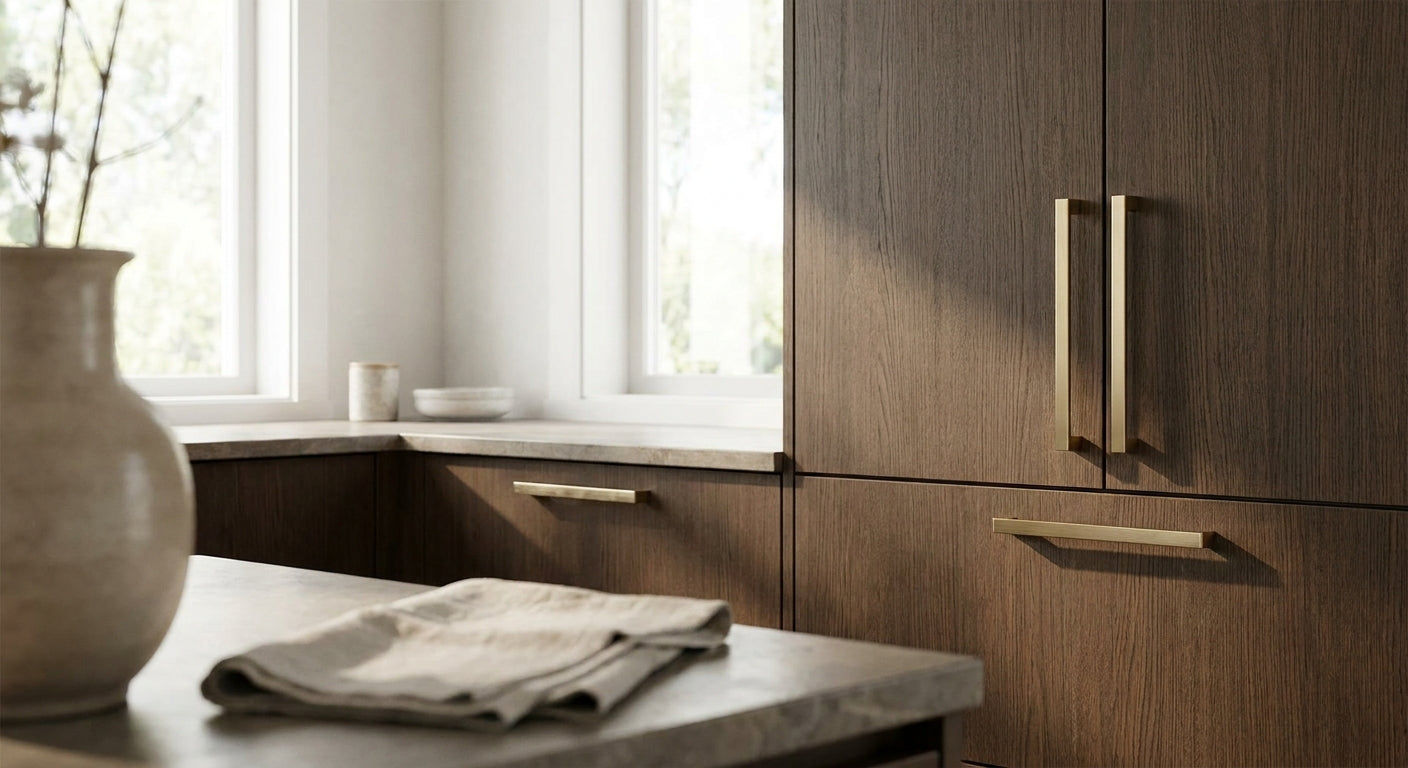
Flat-front cabinets don't forgive lazy hardware. No raised panel, no bead detail, no shadow line to hide a pull that's the wrong size or the wrong finish — every line either supports the flat plane or fights it. This guide names the specific flat-front cabinet pulls worth buying in 2026 and the criteria that separate a clean install from a mismatched one.
- For flat-front cabinet pulls in 2026, the Top Knobs Garrison bar pull at 7-9/16 inches cc is the safe buy.
- Skip bar diameters over 1/2 inch on flat-front doors — anything thicker reads as traditional, not modern.
- Jeffrey Alexander's Griffin pull in brushed antique copper is the designer's choice for warm flat-front kitchens.
- Match pull length to roughly a third of the door's width for the cleanest sightline across flat panels.
Shop the picks from this guide
In stock at Knobs.co · Free shipping on hardware orders $99+ · 110% price match
-
 Alno
Alno A726 Charlie's 3 1/2'' CC Cabinet PullAntique English / 3''
Alno
Alno A726 Charlie's 3 1/2'' CC Cabinet PullAntique English / 3''
$24.26
$26.95 -
 Berenson
Advantage Wire Pulls 3'' CC Matte Black Steel Pull 6129-2055-P
Berenson
Advantage Wire Pulls 3'' CC Matte Black Steel Pull 6129-2055-P
$1.58
$1.97 -
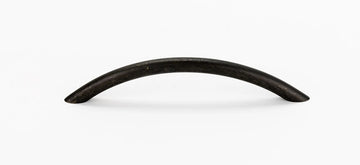 Alno
Alno A1298 128mm 5'' CC Brass Cabinet PullBarcelona
Alno
Alno A1298 128mm 5'' CC Brass Cabinet PullBarcelona
$19.76
$21.95 -
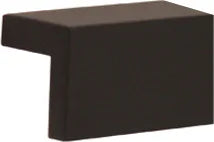 Alno
Alno A960 Tab 1 1/2'' CC Brass Cabinet PullBronze / 3/4''
Alno
Alno A960 Tab 1 1/2'' CC Brass Cabinet PullBronze / 3/4''
$16.16
$17.95 -
 Alno
Alno A1145 1 1/4'' Brass Cabinet KnobBarcelona
Alno
Alno A1145 1 1/4'' Brass Cabinet KnobBarcelona
$17.96
$19.95 -
 Alno
Charlie's 6'' Pull A726-6Antique English
Alno
Charlie's 6'' Pull A726-6Antique English
$62.96
$69.95


Why This Matters
A flat-front door is a flat plane with nothing else competing for attention, so the pull becomes the only design decision left on the door face. Get the profile wrong and a $50,000 kitchen remodel photographs like a big-box flip. Knobs.co has moved millions of knobs and pulls across two decades, and the pattern with flat-front and slab-style cabinetry is consistent: buyers overspend on finish and underthink proportion.
The fix isn't complicated once you know what to check. Bar diameter, center-to-center length, and finish behavior against a flat surface matter more than brand name. That's where most flat-front installs go sideways in 2026 — not on price, on proportion.
Who This Is For
This guide is for homeowners renovating slab or flat-front kitchens, and for interior designers and contractors specifying cabinet hardware for frameless European-style cabinet lines. If your cabinet doors are flush overlay with no molding, no beading, and a single continuous panel, this applies to you directly. It also applies to anyone converting a shaker kitchen to a more minimal look, where the door style changes but the box doesn't.
If you're outfitting a flat-front cabinet hardware project at scale — new construction, a full remodel, or a multi-unit rental turn — the same rules apply, just multiplied across more doors and drawers.
What to Look For in Pulls for Flat-Front Cabinets
1. Bar Diameter and Profile
A thin bar, generally 3/8 inch or under, keeps the pull from visually competing with the flat door. Thicker bars, especially anything over 1/2 inch, start to read as traditional or transitional hardware even in a matte black or brushed nickel finish. On a flat-front door, thin equals modern.
2. Center-to-Center Length
Center-to-center (cc) length is the distance between the two mounting screws, and it should scale with the door or drawer width. A drawer under 18 inches wide usually wants a 4 to 6.5 inch cc pull; wider doors and pantry fronts can carry 7.5 to 12 inch cc bar pulls without looking oversized.
3. Finish That Reads as One Surface
Honey bronze, matte black, and brushed stainless all behave differently against a flat panel than they do against a raised one, because there's no shadow line to soften a mismatched sheen. Pick a finish that holds up under direct kitchen lighting without throwing glare, since a flat door puts the pull front and center under every overhead fixture.
4. Mounting and Screw Spacing
Most bar pulls ship with standard screws, but flat-front doors are frequently thinner-profile MDF or laminate than face-frame doors, so confirm screw length before drilling. A pull that's slightly too long will poke through a thin flat-front door — a mistake that's expensive to fix after the holes are drilled.
5. Matching Appliance and Drawer Pulls
Flat-front kitchens usually run one hardware language across cabinets, drawers, and panel-ready appliances. Mixing a slim modern bar pull on cabinets with a chunky traditional appliance pull breaks the whole look, even if each piece looks fine on its own.
“On a flat-front door, if the bar profile is thicker than a half inch, it stops reading as modern and starts reading as traditional.”
Top Picks for Flat-Front Cabinets in 2026
Top Knobs TK3265HB Garrison Pull — the safe pick. This bar pull runs 7-9/16 inches center-to-center in a Honey Bronze finish, with a slim square-edged bar that sits flush against a flat panel without adding visual weight. It's sized for standard 24 to 30 inch flat-front doors and reads clean under kitchen lighting. Verdict: Buy.
Elements S271-4MB Torino Pull — the budget pick. At a compact 4 inch cc in matte black, this is built for drawers under 16 inches wide where a longer bar would crowd the door edge. It's a straightforward, no-frills bar pull that does exactly one job well. Verdict: Buy.
Jeffrey Alexander 663-160DBAC Griffin Pull — the designer's choice. A 160mm (about 6.3 inch) cc pull in Distressed Brushed Antique Copper, this one leans warmer than the standard matte black or bronze options and pairs well with white oak or walnut flat-front cabinetry. Designers reach for it when a kitchen needs warmth without going full brass. Verdict: Buy.
Belwith Keeler B079921-CBZ Berkshire Pull — the wildcard. At 5-1/16 inches cc in Champagne Bronze, this pull has a slightly rounder bar profile than the others on this list, which softens the look on flat-front doors paired with warmer wood tones. It's not the first pick for a strict minimalist kitchen, but it works well in transitional flat-front spaces. Verdict: Consider.
What to Avoid on Flat-Front Doors
- Ornate cast pulls with backplates. Backplates were designed to hide screw holes and wear marks on raised-panel doors — on a flat panel they just add visual clutter with no functional benefit.
- Oversized bar pulls on thin overlay doors. A 12-inch appliance-style pull on a 24-inch cabinet door looks disproportionate and can stress thin MDF construction at the mounting points.
- Mixed sheens across one kitchen. Satin nickel on drawers and polished chrome on doors will visibly clash under any single light source — pick one sheen family and stay in it.
Verdict Comparison
| Pull | Bar Diameter | CC Length | Finish | Verdict |
|---|---|---|---|---|
| Top Knobs Garrison | Slim square | 7-9/16 in | Honey Bronze | Buy |
| Elements Torino | Slim round | 4 in | Matte Black | Buy |
| Jeffrey Alexander Griffin | Slim round | 160mm | Antique Copper | Buy |
| Belwith Keeler Berkshire | Rounded | 5-1/16 in | Champagne Bronze | Consider |
FAQ
What's the best pull style for flat-front cabinets in 2026?
A slim bar pull under 1/2 inch in diameter is the best style for flat-front cabinets in 2026, since a thin profile keeps the flat panel looking intentional rather than cluttered. Bar pulls in the 5 to 8 inch center-to-center range work for most standard cabinet doors.
Is a bar pull better than a knob for flat-front doors?
Bar pulls generally suit flat-front doors better than knobs because the horizontal line echoes the flat plane of the door. Knobs still work on narrow drawers or smaller flat-front cabinets where a bar would look oversized.
How long should a cabinet pull be for a flat-front door?
Pull length should run roughly a third of the door or drawer width for the cleanest proportion. A 24-inch flat-front door typically pairs well with a 6.5 to 8 inch center-to-center pull.
What finish works best on flat-front kitchen cabinets?
Matte black, honey bronze, and brushed nickel all perform well on flat-front cabinets because they resist glare under direct kitchen lighting. Polished or high-shine finishes show fingerprints and light reflections more on a flat, unbroken panel.
Can you use cup pulls on flat-front cabinets?
Cup pulls are less common on flat-front cabinets since their curved profile was designed for face-frame and traditional door styles. They still work on flat-front farmhouse or transitional kitchens where a softer detail is intentional.
Do flat-front cabinets need pulls on doors and drawers, or just drawers?
Most flat-front kitchens run pulls on both doors and drawers for a consistent hardware language across the whole run. Skipping pulls on doors in favor of finger-pull channels is a common alternative for a fully handleless look.
What's the standard center-to-center spacing for flat-front cabinet pulls?
Standard cc spacing ranges from 4 inches for narrow drawers up to 12 inches or more for wide pantry and island cabinet doors. Measure the existing holes if you're replacing hardware to avoid redrilling.
One Last Thing
Most flat-front kitchens fail on consistency, not on any single pull choice. Buyers pick a great bar pull for the base cabinets, then grab whatever matches for the pantry, then default to a knob on the island because it was easier to order — and the mismatch shows up in every photo. Pick one bar diameter and one finish family before ordering anything, then size the cc length per door. That single decision does more for a flat-front kitchen in 2026 than any individual pull on this list.


