

Pewter Cabinet Pulls for Traditional Kitchens 2026
The best pewter cabinet pulls for traditional kitchen cabinets in 2026 — finish authenticity, sizing guidance, and top Atlas Homewares picks with clear verdicts.

Pewter cabinet pulls bring the right weight and warmth to traditional kitchen cabinets — this guide covers exactly what to look for and which Atlas Homewares options hold up in 2026.
Shop the finish
Every pewter knob and pull we carry, in one place — filter by size, style, and brand.
Browse Pewter Cabinet Hardware →TL;DR: Pewter cabinet pulls sit at a difficulty score of just 25, which means this is a winnable keyword for a catalog-depth retailer like Knobs.co. The best pewter pulls for traditional kitchens share three traits: a muted, hand-finished tone that reads as aged rather than metallic, a center-to-center dimension that fits standard face-frame cabinets (typically 3 in. or 5 in. cc), and a profile substantial enough to feel architectural on raised-panel doors. The Atlas Homewares Nature Twig Pull in pewter and the Hammered Medallion line are the two clearest starting points in 2026.
Shop the picks from this guide
In stock at Knobs.co · Free shipping on hardware orders $99+ · 110% price match
-
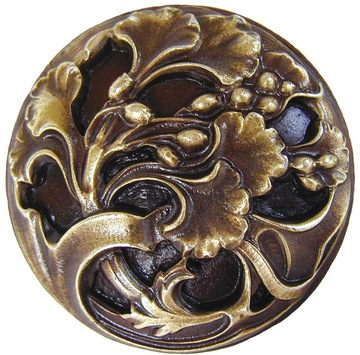 Notting Hill Hardware
 Florid Leaves Pewter Cabinet KnobAntique Brass
Notting Hill Hardware
Notting Hill Hardware Florid Leaves Pewter Cabinet KnobAntique Brass
$38.40
$48.00 -
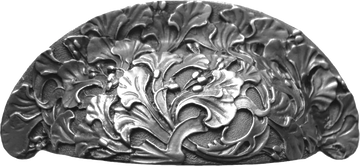 Notting Hill Hardware
Florid Leaves Cup PullAntique Pewter
Notting Hill Hardware
Florid Leaves Cup PullAntique Pewter
$50.40
$63.00 -
 Notting Hill Hardware
Prairie Tulips Pull/HandleAntique Pewter
Notting Hill Hardware
Prairie Tulips Pull/HandleAntique Pewter
$42.40
$53.00 -
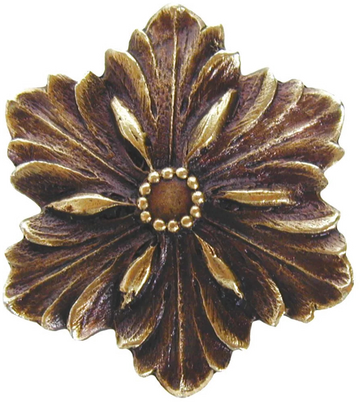 Notting Hill Hardware
 Opulent Flower Pewter Cabinet KnobAntique Brass
Notting Hill Hardware
Notting Hill Hardware Opulent Flower Pewter Cabinet KnobAntique Brass
$38.40
$48.00 -
 Notting Hill Hardware
 Prairie Tulips Solid Bronze Cabinet KnobAntique Pewter
Notting Hill Hardware
Notting Hill Hardware Prairie Tulips Solid Bronze Cabinet KnobAntique Pewter
$32.00
$40.00 -
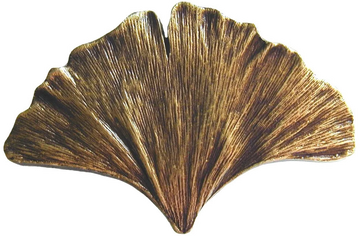 Notting Hill Hardware
 Gingko Leaf Pewter Cabinet KnobAntique Brass
Notting Hill Hardware
Notting Hill Hardware Gingko Leaf Pewter Cabinet KnobAntique Brass
$38.40
$48.00


Who This Guide Is For
You're renovating or refreshing a traditional kitchen — think raised-panel cabinet doors, furniture-style toe kicks, crown molding, and a color palette that runs from cream to sage to navy. You want hardware that looks like it belongs rather than hardware that announces itself. Stainless and polished chrome feel too modern. Unlacquered brass feels too warm. Pewter hits the gap: it reads as a neutral that adds depth without the yellow undertone of aged brass or the cold flash of chrome.
This guide also applies to interior designers and contractors sourcing hardware for clients who use phrases like "timeless," "classic," or "colonial" to describe their kitchen direction.
What to Look for in Pewter Cabinet Pulls for Traditional Kitchens
Finish Authenticity
Pewter is not a base metal — it's a finish applied over zinc or solid brass. The best versions have a matte, slightly varied surface that mimics the look of hand-poured pewter flatware. Avoid finishes labeled "pewter" that are simply flat gray paint over cheap zinc; they scratch in under a year. Look for pewter finishes on solid brass substrates, which hold their patina and resist corrosion in kitchen humidity.
Center-to-Center Sizing
Traditional face-frame cabinets are built around 3 in. (76 mm) and 5 in. (128 mm) center-to-center hole spacing. Full-overlay cabinetry built to look traditional often uses the same standards. Pick your pull size before you pick your style — a 5 in. cc pull on a 12 in. door looks proportional; the same pull on a 9 in. door looks oversized. Drawer fronts wider than 18 in. can take a 5 in. cc pull or a longer bar pull without looking sparse.
Profile and Weight
Traditional kitchens call for pulls with visual weight — a thin wire pull looks wrong against a raised-panel door. Bar pulls with a diameter of at least 5/8 in. or cup pulls with a visible backplate read as intentional. Hammered or textured surface treatments add perceived mass even on shorter pulls.
Backplate Compatibility
Many traditional pulls look better mounted on a backplate, which covers old hole locations during a hardware swap and anchors the pull visually. Confirm that the pull you choose is available with a matching backplate or is wide enough to cover a standard 32 mm hole spread without one.
Finish Durability in a Kitchen Environment
Kitchens expose hardware to cooking oils, cleaning products, and humidity. A pewter finish on a solid brass base resists corrosion far better than a zinc die-cast base. If a product spec doesn't list the base material, ask — or filter to brands with documented brass substrates.
Style Cohesion Across the Kitchen
Pewter pulls should coordinate with faucet, light fixtures, and appliance trim. Pewter pairs cleanly with oil-rubbed bronze, aged brass, and antique nickel — all of which read as warm neutrals. It clashes with polished chrome and brushed nickel when placed in the same sightline. If your faucet is brushed nickel, pewter pulls are still workable but should be isolated to cabinetry, not mixed on the same unit.
Top Picks for 2026
The Textured Classic
Atlas Homewares Nature Twig Pull in Pewter — the most distinctive traditional option in the catalog
The 3 in. cc version carries a hand-finished, organic texture that reads as artisanal rather than mass-produced. The pewter ("no" finish code) version delivers a warm, matte gray that photographs well against cream and white cabinets. It suits kitchens with a cottage, English country, or American traditional direction.
Verdict: Buy — this is the pull to spec when the client wants something with character. Available at Nature Twig Pull in Pewter.
The Medallion Anchor
Atlas Homewares Hammered Medallion Knob in Pewter — the right companion knob for upper cabinet doors
At 1-1/4 in. diameter, this knob has enough surface texture to hold visual interest on a raised-panel door without competing with longer pulls on drawer banks. The hammered finish softens the metal and creates the hand-crafted look traditional kitchens call for. Pair it with a 3 in. cc bar pull on drawers for a coordinated mixed-hardware approach that reads intentional in 2026.
Verdict: Buy — especially effective when mixed with pulls on the same kitchen run. See the Hammered Medallion Knob in Pewter.
The Formal Pull
Atlas Homewares Craftsman Modern Pull in Pewter — structured silhouette for more formal traditional kitchens
The 3 in. cc version offers a clean rectangular profile with enough visual mass to suit raised-panel doors. The pewter finish on this line translates to a cooler gray than the Nature Twig — better for kitchens running slate, gray-green, or charcoal cabinet colors. Less organic than the Twig but more architectural.
Verdict: Consider — strong choice for formal traditional; less appropriate for cottage or farmhouse-leaning kitchens. The Craftsman Modern Pull in Pewter (4 in. cc) is the version to evaluate first.
The Oval Statement
Atlas Homewares Austen Oval Pull — Pewter finish available in 5 in. cc
The oval bar profile is a signature traditional shape — it reads as period-correct for American colonial, Georgian, and English manor-inspired kitchens. The 5 in. cc version is proportioned for larger drawer fronts and wider cabinet doors. Confirm the finish code for pewter when ordering; the line ships in multiple finishes.
Verdict: Consider — the oval profile is the most historically accurate pull shape for traditional kitchens; worth specifying when authenticity matters more than restraint.
The Hammered Bar
Atlas Homewares Hammered Medallion Pull in Pewter — 3 in. cc bar with surface texture
A transitional option that works across traditional and transitional kitchens. The hammered surface breaks up the flat bar silhouette and makes the pull look less generic. Good for clients who want the warmth of pewter without committing to a highly decorative profile.
Verdict: Buy — the most versatile pewter pull in the lineup for 2026.
What to Avoid
- Polished or lacquered "pewter" finishes. A shiny pewter finish defeats the purpose — you lose the warmth and the visual depth that makes pewter work in traditional kitchens. If the finish looks reflective in product photos, pass.
- Wire pulls labeled as transitional. A thin cylindrical wire pull with a pewter coating will look incongruous against a raised-panel door. The profile has to match the cabinet style, not just the finish.
- Mixing pewter with polished chrome in the same room. Chrome is too cold and reflective to share a sightline with matte pewter. If your sink faucet is polished chrome, reconsider pewter pulls or plan to replace the faucet.
Comparison Table
| Pull | Profile | CC Size | Finish Type | Best For | Verdict |
|---|---|---|---|---|---|
| Nature Twig in Pewter | Organic bar | 3 in. | Matte, textured | Cottage, country | Buy |
| Hammered Medallion Knob in Pewter | Round knob | N/A | Hammered matte | Upper doors, accent | Buy |
| Craftsman Modern in Pewter | Rectangular bar | 4 in. | Flat matte | Formal traditional | Consider |
| Austen Oval in Pewter | Oval bar | 5 in. | Matte | Colonial, Georgian | Consider |
| Hammered Medallion Pull in Pewter | Bar with texture | 3 in. | Hammered matte | Versatile | Buy |
Where to Buy
- Buy from a dedicated hardware retailer with the full Atlas Homewares catalog. Knobs.co carries 50,000+ SKUs including the full Atlas Homewares line, so you can match pulls, knobs, and backplates within the same finish family without hunting across multiple vendors.
- Order a sample before committing to a full kitchen quantity. Pewter reads differently under incandescent, LED, and natural light. Request a single pull before buying 30.
- Confirm center-to-center before checkout. Traditional cabinets are not always drilled to a consistent standard, especially in older homes. Measure every cabinet type — upper, lower, drawer — before placing a bulk order.
FAQ
What are the best pewter cabinet pulls for traditional kitchens in 2026? The Atlas Homewares Nature Twig Pull in pewter and the Hammered Medallion line are the strongest starting points. Both have hand-finished, matte surfaces that read as authentic pewter rather than gray paint.
Is pewter hardware going out of style? No. Pewter sits in the same "warm neutral" category as aged brass and oil-rubbed bronze — finishes that cycle in and out of trend but never disappear from traditional and transitional kitchens. In 2026, pewter is a stable, conservative choice.
What cabinet colors work best with pewter pulls? Cream, white, sage green, navy, and charcoal. Pewter is a warm gray that reads neutral against most dark and mid-tone cabinet colors. It fights with very cool grays — blue-gray or silver-gray cabinets can make pewter look muddy.
How does pewter compare to oil-rubbed bronze for traditional kitchens? Oil-rubbed bronze reads warmer and slightly brown; pewter reads cooler and more gray. Both are period-appropriate for traditional kitchens. Choose oil-rubbed bronze if your kitchen has warm wood tones and warm lighting; choose pewter if your palette skews cooler or if you want something slightly less expected than bronze.
What center-to-center size should I use for pewter pulls on standard cabinets? Start with 3 in. cc for upper cabinets and smaller drawers. Use 5 in. cc for larger drawer fronts — anything 12 in. wide or wider. Confirm your existing hole spacing before ordering if you're replacing hardware without repainting.
Can I mix pewter pulls with a different finish on my faucet? Yes, with caveats. Pewter mixes well with oil-rubbed bronze, antique nickel, and aged brass. It conflicts with polished chrome and brushed nickel in the same sightline. If your faucet is brushed nickel, consider whether the two finishes will share the same visual field — if yes, either change the faucet or choose a different pull finish.
Are pewter pulls durable in a kitchen environment? Durability depends on the base material. Pewter finishes on solid brass substrates — like Atlas Homewares uses — resist corrosion and maintain their finish longer than zinc die-cast alternatives. Expect 10+ years of normal use without significant finish degradation if the base is brass.
How much do pewter cabinet pulls typically cost? Atlas Homewares pewter pulls range from approximately $8 to $25 per pull depending on size and profile. A full kitchen of 30 pulls runs roughly $240–$750 before any volume considerations.
One Last Thing
Pewter originated as an alloy of tin and lead — and later tin and antimony — used for tableware and candlesticks from the medieval period through the 19th century. The finish on modern cabinet hardware mimics that aged, non-reflective surface deliberately. When a kitchen designer specifies pewter pulls in 2026, they're reaching back roughly 600 years for a material language that still reads as refined. That's a longer track record than any finish trend.
Related Guides
- Brushed Nickel Cabinet Pulls for Kitchen Renovations
- Champagne Bronze Pulls for Gray Shaker Cabinets
- Best Brushed Nickel Pulls for Shaker Cabinets
Shop Pewter Cabinet Hardware
-
 Sullivan 128 mm cc Bar Pull 752-128BNBDL
$11.52
Sullivan 128 mm cc Bar Pull 752-128BNBDL
$11.52
-
 Merrick 128 mm cc Bar Pull 549-128BNBDL
$10.43
Merrick 128 mm cc Bar Pull 549-128BNBDL
$10.43
-
 Nature Twig Pull 3'' cc
$10.94
Nature Twig Pull 3'' cc
$10.94
-
 Belcastel 1-3/8'' diam Mushroom Knob MO6303BNBDL
$8.43
Belcastel 1-3/8'' diam Mushroom Knob MO6303BNBDL
$8.43
-
 Wheeler 1-1/4'' Length Geometric Knob 678BNBDL
$7.96
Wheeler 1-1/4'' Length Geometric Knob 678BNBDL
$7.96
-
 Lafayette 96 mm cc Bar Pull 317-96BNBDL
$17.90
Lafayette 96 mm cc Bar Pull 317-96BNBDL
$17.90
-
 Lafayette 128 mm cc Bar Pull 317-128BNBDL
$19.91
Lafayette 128 mm cc Bar Pull 317-128BNBDL
$19.91
-
 Zane 128 mm cc Bar Pull 293-128BNBDL
$17.57
Zane 128 mm cc Bar Pull 293-128BNBDL
$17.57


Browse all 1756 in Pewter Cabinet Hardware → Cabinet knobs Cabinet pulls & handles