










What makes polished nickel read more formal than chrome
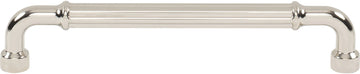
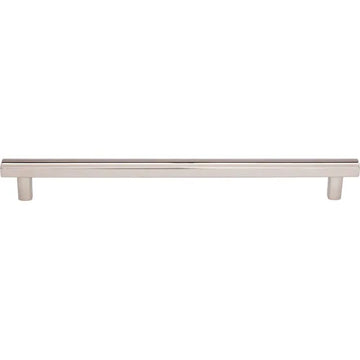
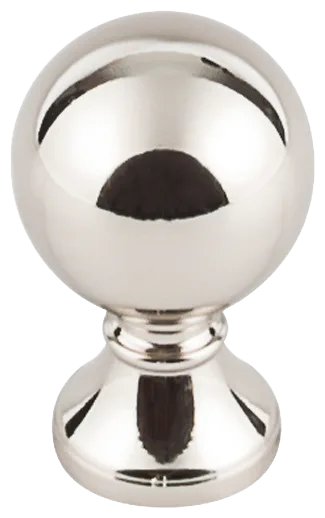
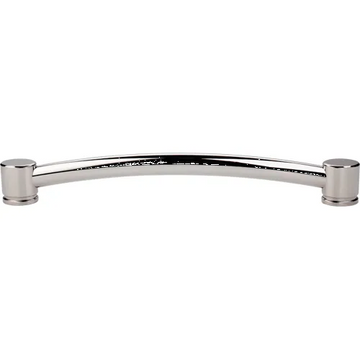
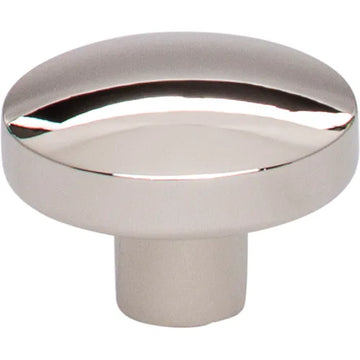
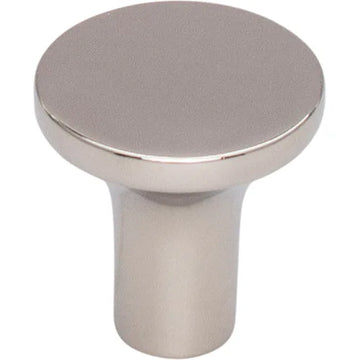
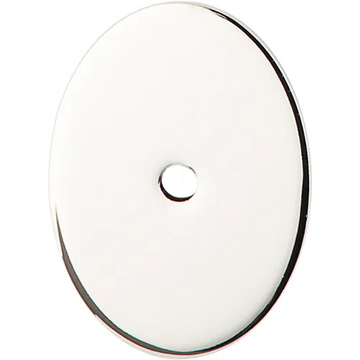
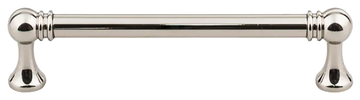
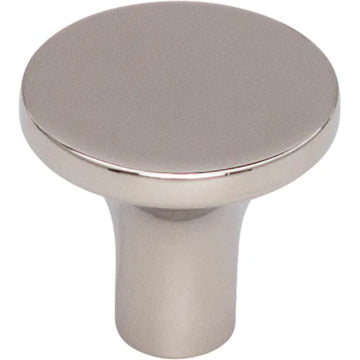
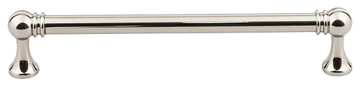
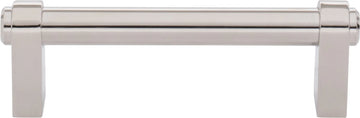
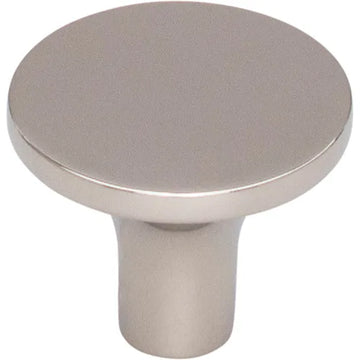
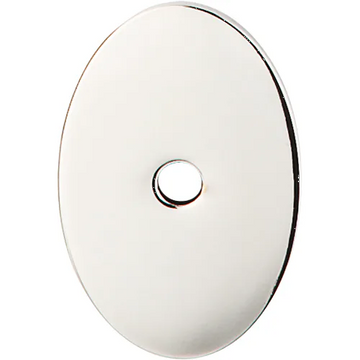
Polished nickel cabinet hardware is the mirror-bright end of the nickel family, a warm, high-reflection finish that reads more formal than chrome and considerably brighter than satin or brushed nickel. Under incandescent light it carries a faint yellow undertone; chrome, by comparison, flashes cooler and bluer. That warmth is the main reason designers reach for polished nickel over chrome when a kitchen wants a mirror shine that still feels traditional.
Where polished nickel pulls and knobs work
Formal kitchens, period-style baths, and transitional rooms with white or pale cabinetry all take polished nickel well. It sits comfortably next to marble counters and unlacquered-brass plumbing, where the warm reflective tones agree rather than compete. Against stark modern slab cabinetry it can read a touch traditional; a satin nickel pull usually fits that room better. Designers also reach for it in restoration and period projects, where the goal is matching a historical reference rather than chasing a current trend.
Living with a polished finish
A mirror surface shows fingerprints and water spots faster than a brushed or satin one, so drawer banks near a sink see more handling marks. That's a fair trade for buyers who want the shine, and a soft cloth wipe-down keeps it looking sharp; skip anything abrasive, which will dull the reflection over time. If the upkeep sounds like more than you want, brushed nickel hides daily use better while staying in the same warm-silver family.
Comparing brands before you order
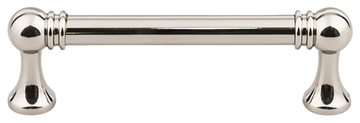
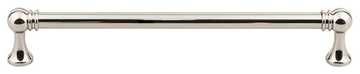
Top Knobs, Jeffrey Alexander, and Atlas Homewares each cut polished nickel slightly differently; some run brighter, some carry more yellow. If you're outfitting a full kitchen, stay within one brand's line so knobs and pulls match under the same light. Also check the mounting spec before ordering pulls — center-to-center spacing needs to match any existing drill holes if you're replacing rather than starting fresh. Not sure which reads right for your cabinets? Pick a time on Kayla's calendar for a free design consultation before you order.
Frequently Asked Questions
How can you tell polished nickel from chrome?
Polished nickel carries a faint warm, yellow undertone, while chrome stays cooler and bluer with a brighter, harder shine. Set side by side, nickel reads slightly softer and less stark. Nickel tends to suit traditional and transitional kitchens; chrome leans more modern and clinical.
How noticeable are fingerprints on polished nickel?
Polished nickel's mirror-bright surface shows fingerprints and water spots more readily than a satin or brushed finish would, simply because there's no texture to break up the reflection. A microfiber cloth wiped after use keeps it looking clean. High-touch pieces like appliance pulls need more frequent wiping than knobs that get handled less.
What cabinet colors pair best with polished nickel?
Polished nickel pairs well with white, pale gray, and soft blue cabinetry, where its bright reflective surface reads as formal without overwhelming the palette. It also works against dark navy or black cabinets for higher contrast. Against warm wood tones, the cool brightness can feel slightly at odds with the room.
Does polished nickel pair well with stainless steel appliances?
Polished nickel and stainless steel sit close in tone, both reading cool and silver, so hardware in polished nickel tends to blend with stainless appliances rather than compete with them. Brass or gold hardware creates more contrast against stainless by comparison. This makes nickel a common choice in kitchens built around stainless appliances.
What Customers Say
Trusted by thousands of designers, builders, and homeowners
Kayla Malo is the most attentive and super human ever! My experience with this company is stellar!

Love working with Kayla, she is extremely helpful and quick with responding to my questions!
Kayla was GREAT!!!! Super help and fast answers. One of the best I've ever dealt with.