




Cabinet knobs across every style and finish
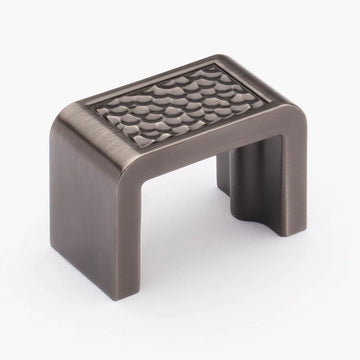
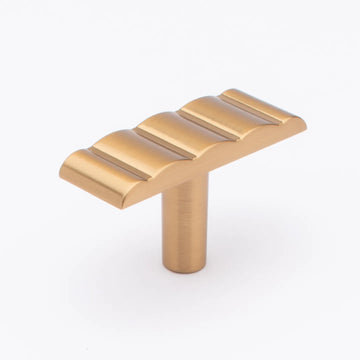
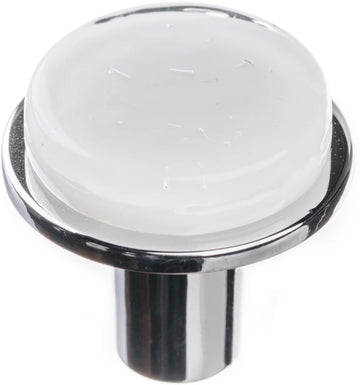
Cabinet knobs are single-point hardware fixtures with one mounting screw, gripped with the fingertips or thumb. They show up on cabinet doors most often, on smaller drawers occasionally, and almost never on appliance panels. The category spans round, square, T-shaped, glass, ceramic, and figurative shapes, with each subtype shifting the visual reading of the cabinet behind it.
Where knobs work and where pulls take over
Knobs handle cabinet doors well because a door swings on hinges and only needs a single grip point to open. Drawers slide horizontally, and a wider drawer benefits from a two-handed pull rather than a center-mounted knob. The classic mixed-hardware kitchen uses knobs on doors and pulls on drawers, which reads traditional. Modern kitchens often skip knobs entirely and run pulls across both surfaces for a cleaner line.
Shapes and what they signal
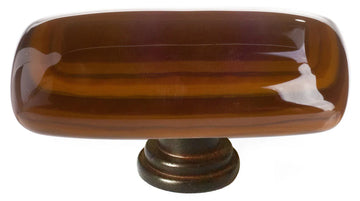
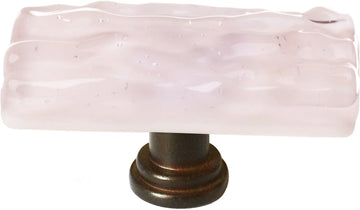
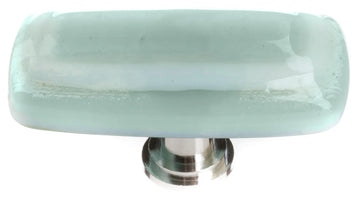
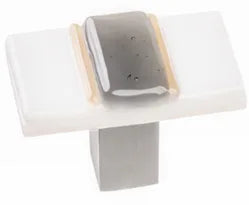
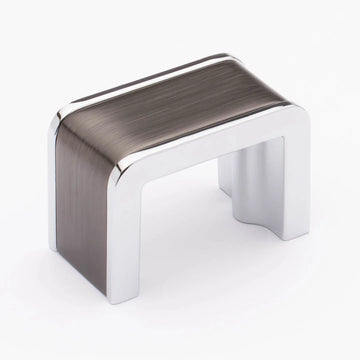
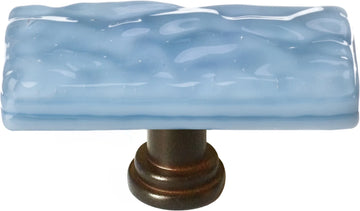
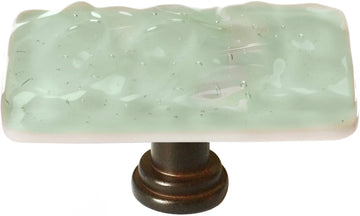
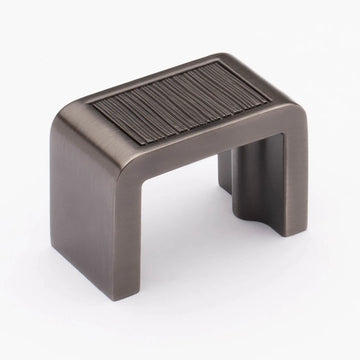
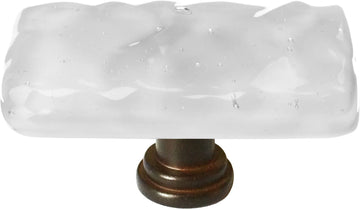
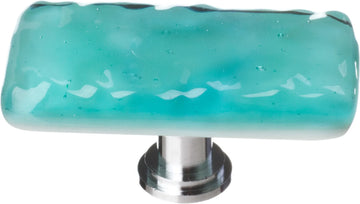
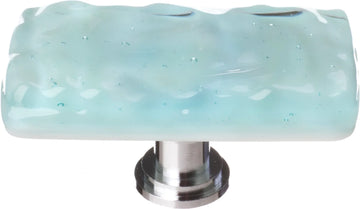
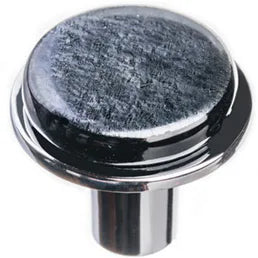
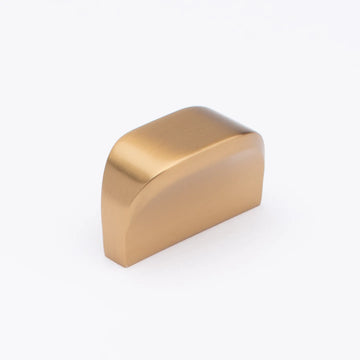
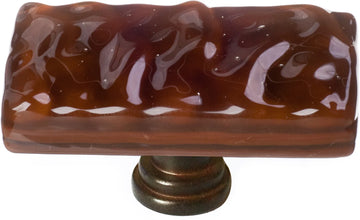
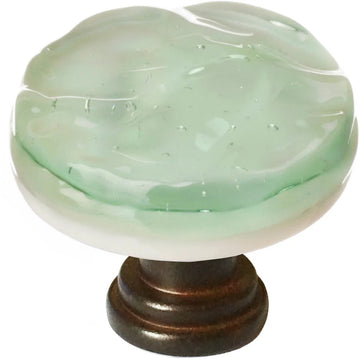
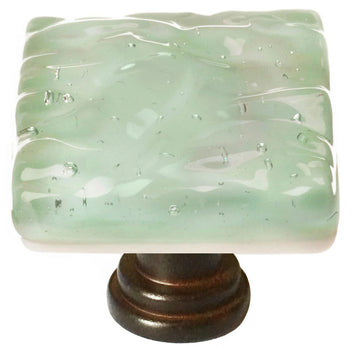
Round knobs are the neutral default and pair with almost any cabinet style. Square pyramid knobs and T-knobs shift the read toward contemporary or industrial. Glass knobs bring a vintage or romantic touch, especially on painted cabinets. Figurative and novelty knobs anchor themed installs like cottages, beach houses, and children's rooms.
What to check on the spec sheet
Diameter, projection, and screw length are the three numbers worth confirming. Projection matters where a knob sits near a wall or adjacent cabinet — a deep knob can foul on the trim. Screw length should suit your door thickness; thicker doors need longer screws and most brands ship a standard length plus a longer option. Finish consistency across the rest of the kitchen pulls the install together.
Frequently Asked Questions
What size knob should I choose?
Most cabinet knobs run 1" to 1-1/4" in diameter, which suits standard doors and drawers. Step up to 1-1/2" for large or tall doors and a bolder statement, or down to 3/4"–7/8" for small inset doors, glass-front cabinets, or a more delicate look. Because a knob mounts with a single screw, there's no center-to-center to match — any knob fits any single-hole drilling.
How do glass, crystal, and ceramic knobs compare to metal?
Decorative knobs are built on a metal base or post, so they're sturdy for everyday use. Glass and crystal add a light-catching accent, and ceramic offers painted or patterned detail; metal knobs give you the widest finish range for coordinating with pulls, hinges, and fixtures elsewhere. With any decorative knob, the mounting hardware is metal, so durability comes down to the base rather than the visible material.
Will the screws fit my doors?
Knobs typically ship with a 1" (8-32) machine screw, which fits standard 3/4" doors. Thick doors, Shaker doors with applied moulding, or drawers with a separate false front may need a longer screw — 1-1/4", 1-1/2", or 2". These are inexpensive and widely available if the included screw is too short.
How many knobs do I need, and can I mix them with pulls?
Plan one knob per cabinet door and one per drawer as a baseline, then add a few spares. Mixing knobs on doors with pulls on drawers is a classic, designer-friendly combination — keep the finish consistent across both so the room reads as one cohesive scheme.
What Customers Say
Trusted by thousands of designers, builders, and homeowners
Kayla Malo is the most attentive and super human ever! My experience with this company is stellar!

Love working with Kayla, she is extremely helpful and quick with responding to my questions!
Kayla was GREAT!!!! Super help and fast answers. One of the best I've ever dealt with.