







Cabinet knobs: sizes, materials, and style range
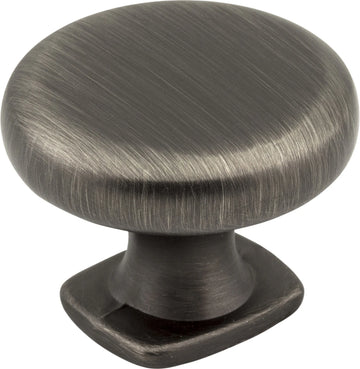
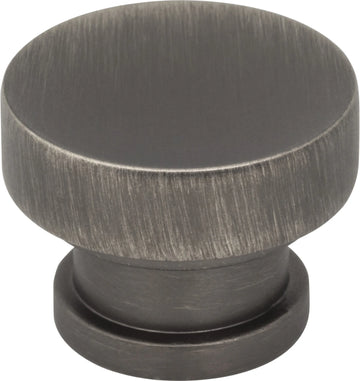
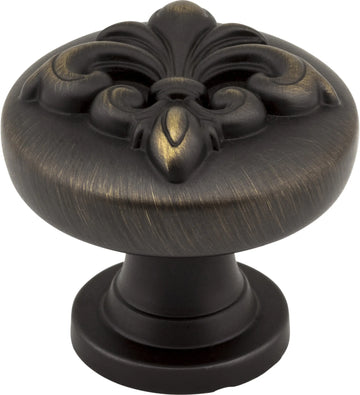
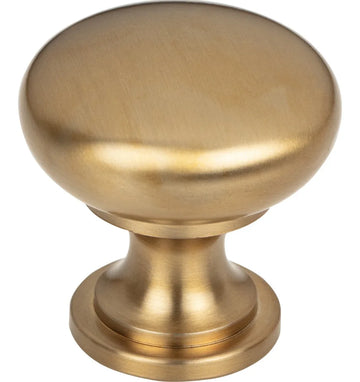
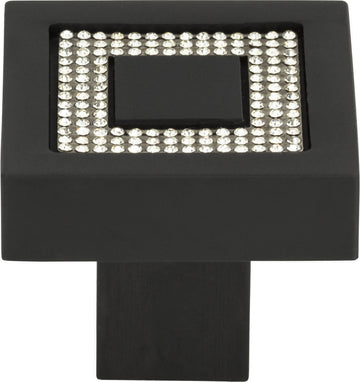
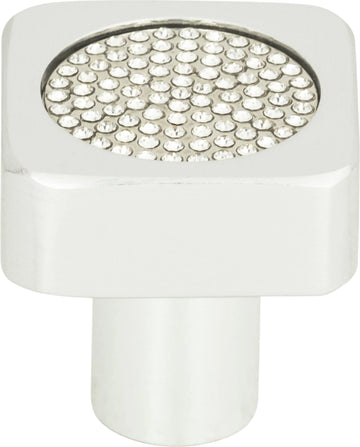
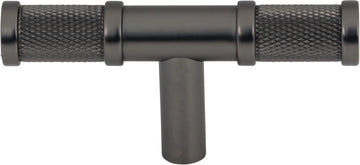
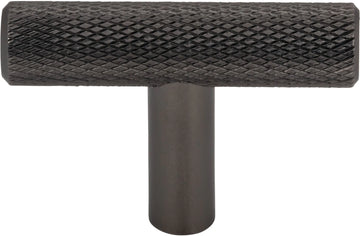
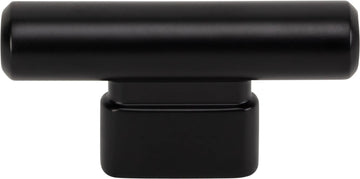
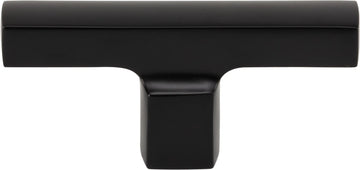
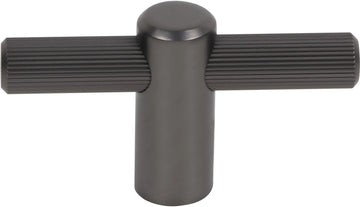
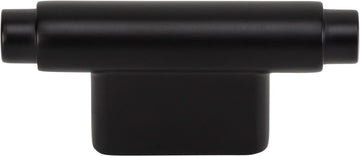
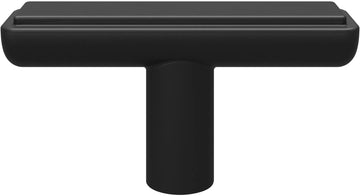
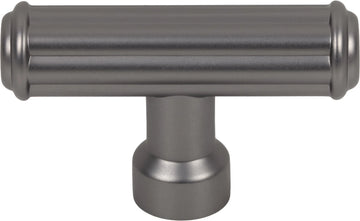
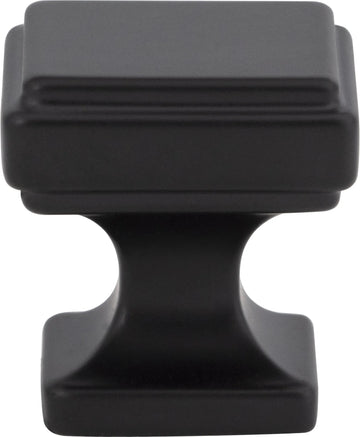
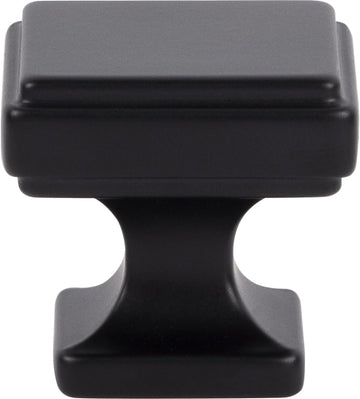
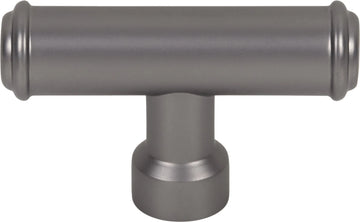
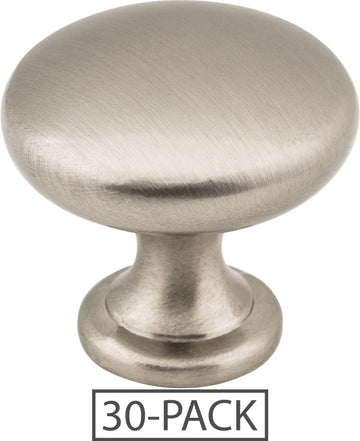
Cabinet knobs are the simplest hardware option: one mounting point through a single screw hole, used on both doors and drawers wherever a full pull isn't necessary. This collection spans the breadth of what a knob can be, brass, zinc, and mixed zinc-and-glass designs from Alno and Amerock, across traditional, transitional, and contemporary shapes.
Typical sizes and where they go
Most knobs here run between 1" and 1-5/16" in diameter, the standard range for both doors and drawer fronts. A single knob usually centers on a drawer front or sits in the corner of a door, opposite the hinge side. Smaller diameters suit narrow drawer stiles; larger knobs give more grip on heavier doors, particularly ones without a secondary pull nearby.
Because a knob mounts through one hole, swapping an existing knob for a new one is usually a direct fit as long as the screw hole diameter matches, which it does across nearly every knob in this collection. The knob's own diameter matters more for how it looks and feels than for installation, since the mounting screw is a standard length regardless of shape. For a first-time installation rather than a swap, a paper or plastic drilling template keeps the hole centered on the drawer front or door corner.
Style range across materials
Traditional knobs, like Amerock's Edona and Nature's Splendor designs, lean toward cast detail and warmer metals such as brass and bronze-toned zinc. Transitional knobs simplify those same shapes into cleaner geometry without going fully modern; Amerock's Westerly knob is a good example of that middle ground. Contemporary knobs strip ornamentation further, often in a single material with no cast texture at all. A handful of designs mix materials outright, pairing zinc bodies with tempered glass inserts for a look that doesn't sit neatly in any one style category.
Choosing between a knob and a pull
Knobs work well on doors and on drawers you don't need to grab and pull while your other hand is full, since one screw hole gives less leverage than a pull's two-point spread. For wider or heavier drawers, a bar pull generally opens more comfortably; for doors and most standard drawers, a knob remains the simpler, more common choice.
What Customers Say
Trusted by thousands of designers, builders, and homeowners
Kayla Malo is the most attentive and super human ever! My experience with this company is stellar!

Love working with Kayla, she is extremely helpful and quick with responding to my questions!
Kayla was GREAT!!!! Super help and fast answers. One of the best I've ever dealt with.