






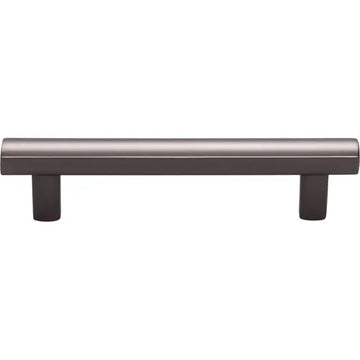
Mid century modern cabinet hardware proportions
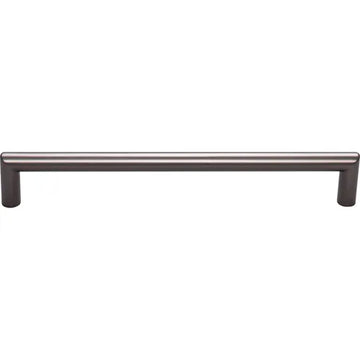
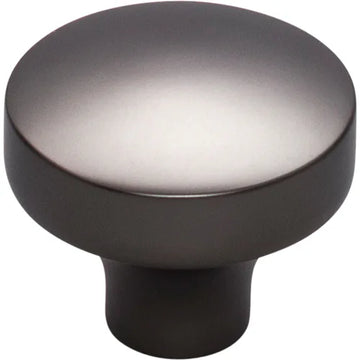
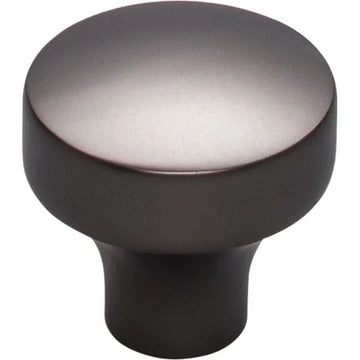
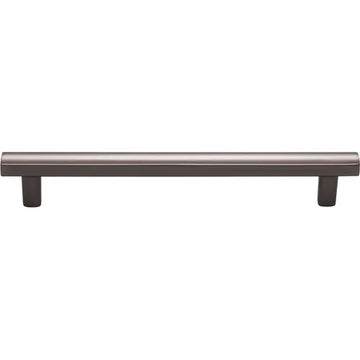
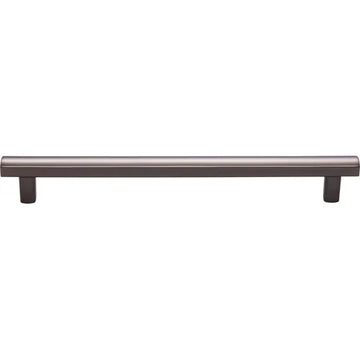
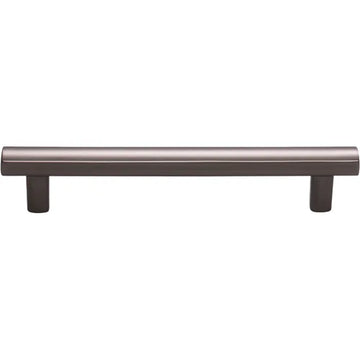
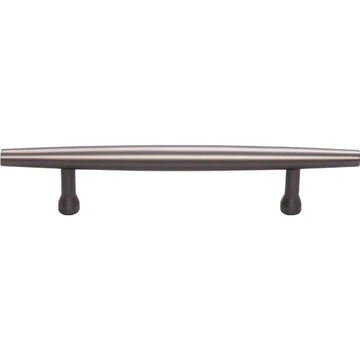
Mid century modern cabinet hardware borrows its vocabulary from 1950s and early-1960s furniture design: long, thin bar pulls, tapered cylindrical knobs, and warm metal paired with wood. Proportion is what separates it from generic modern hardware — a mid-century pull typically runs longer and narrower than a current bar pull, often five to eight inches, with ends that taper or round rather than cut off square.
What sets it apart from modern
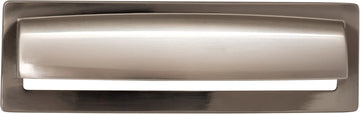
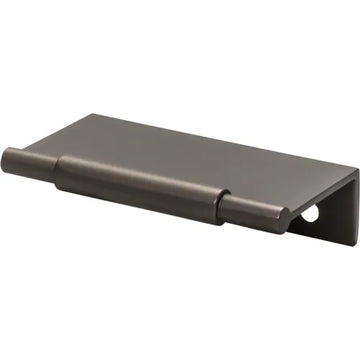
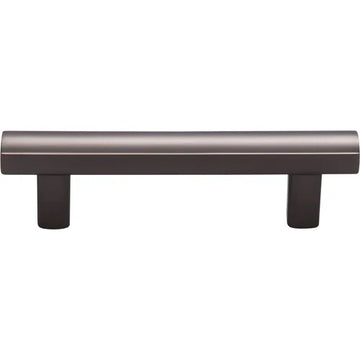
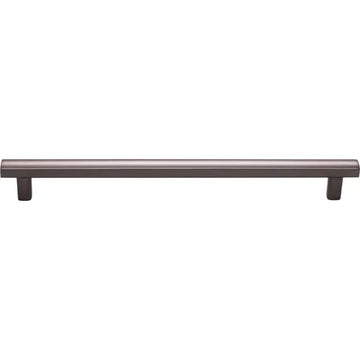
Wood-and-metal construction is a signature move here that plain modern hardware skips — a turned wood grip on a metal post, for instance, in the Lynwood Kinney collection's honey bronze and polished nickel finishes. Modern hardware tends to stay in cool, matte tones; mid-century leans warmer, favoring brass, bronze, and polished nickel over the brushed black finishes that dominate current kitchens. Cup pulls in the same collection carry the wood-and-metal theme onto smaller drawers where a full bar pull would look out of scale. Pull lengths in the Kinney line run from three inches up through appliance-scale pieces, covering everything from a narrow spice drawer to a wide range or refrigerator door without leaving the same family.
Finish and cabinet pairings
Honey bronze and polished nickel both read as period-appropriate, and either works against walnut, white oak, or teak cabinetry with visible grain. Painted cabinets can work too, but they shift the look toward a modern revival rather than a period-accurate build. If you're matching an original mid-century house (post-and-beam construction, an Eichler, an atomic-era ranch), stick to warmer metals and let the wood grain show through the cabinet fronts rather than painting over it.
Related styles to compare
If mid century modern feels slightly too warm for the kitchen, contemporary hardware keeps a similar clean profile with a cooler, more current finish range. Browse the broader pulls and handles collection to compare pull lengths side by side before you settle on one. Kayla's team can help match a pull length to your cabinet's existing drill spacing before you order.
Frequently Asked Questions
What defines mid-century modern hardware?
Mid-century modern hardware favors tapered, elongated forms, long horizontal bar pulls and cylindrical knobs that narrow slightly toward the base, over the ornate curves of traditional styles. The look traces back to 1950s and early-60s American design, and it reads as clean and geometric rather than flat or minimal.
What finishes suit mid-century modern hardware?
Brushed and satin brass, warm gold, and polished nickel carry the era's warm-metal-meets-clean-line look most accurately, since mid-century design paired natural materials with restrained metal accents. Matte black works too, but it reads more contemporary than authentically period, a reasonable compromise if the rest of the kitchen leans modern rather than retro.
Where does mid-century modern hardware work best?
Walnut and teak-toned flat-panel cabinetry is the clearest match, since the warm wood grain is part of the original design vocabulary. It also works on white or two-tone kitchens built around a retro layout, but tends to look out of place against heavily ornamented or traditional raised-panel doors.
What length are mid-century modern bar pulls?
Mid-century bar pulls often run longer than standard hardware, 8 to 12 inches or more, since the style leans on elongated horizontal lines as a signature detail. On narrower drawers, a shorter 3 to 5 inch bar keeps the same tapered profile without overwhelming the door.
What Customers Say
Trusted by thousands of designers, builders, and homeowners
Kayla Malo is the most attentive and super human ever! My experience with this company is stellar!

Love working with Kayla, she is extremely helpful and quick with responding to my questions!
Kayla was GREAT!!!! Super help and fast answers. One of the best I've ever dealt with.