


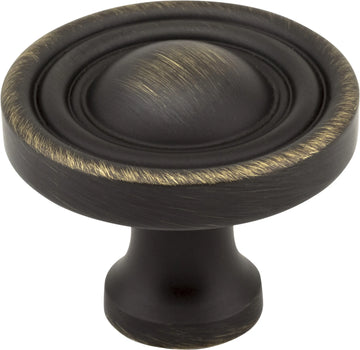

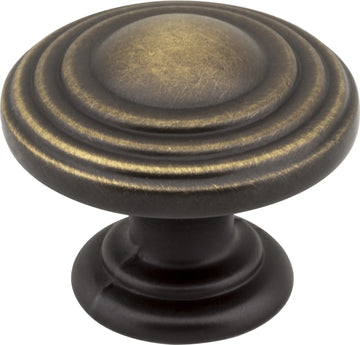
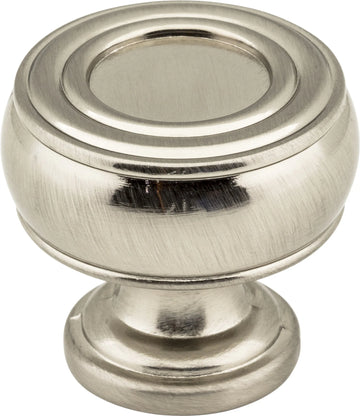

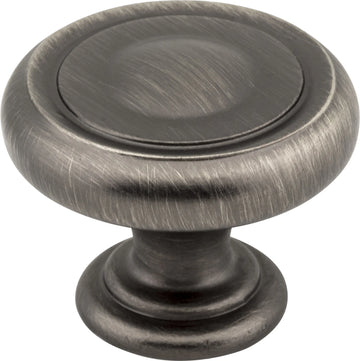



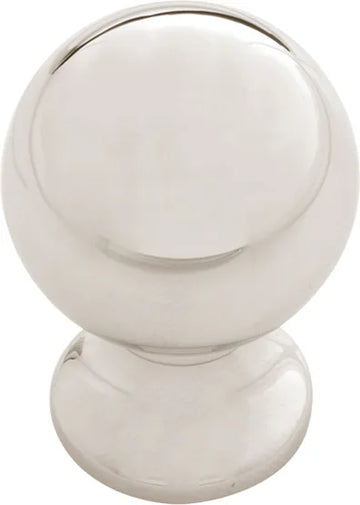
Traditional Cabinet Knobs for Classic and Transitional Kitchens
What Defines a Traditional Cabinet Knob
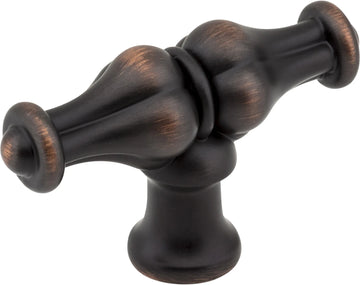
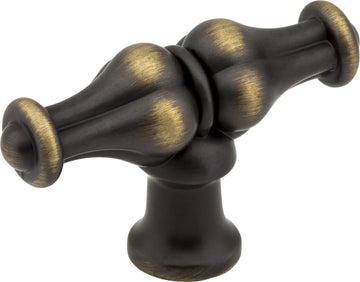
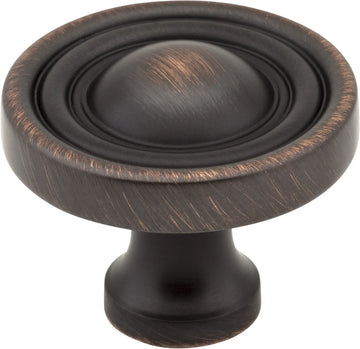
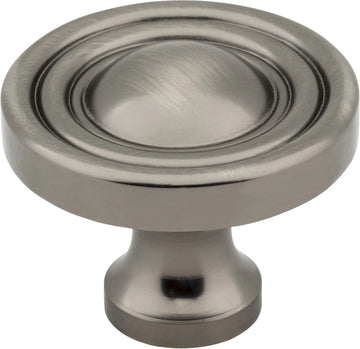
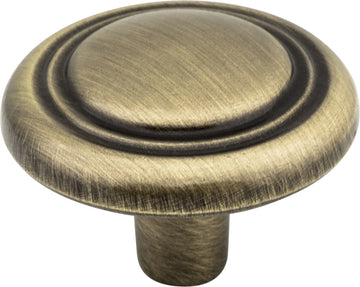
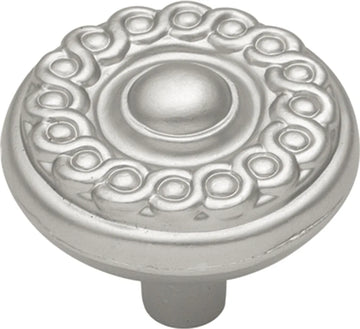
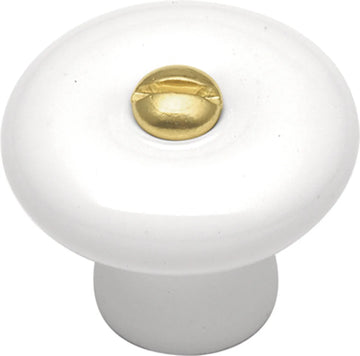
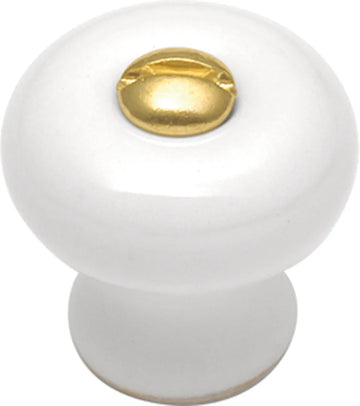
Traditional cabinet knobs draw on classic and Colonial-era forms: round and mushroom profiles, fluted and reeded bodies, beaded edges, faceted glass, and birdcage or cut-crystal silhouettes. The look leans on detail and weight rather than the flat geometry of modern hardware. These knobs are a natural fit on raised-panel and Shaker doors, inset cabinetry, furniture-style islands, and painted or stained wood in white, cream, sage, and navy. They appear most often in kitchens, bathroom vanities, butler's pantries, and built-in libraries, where ornament reads as deliberate rather than incidental.
Finishes That Suit the Traditional Style
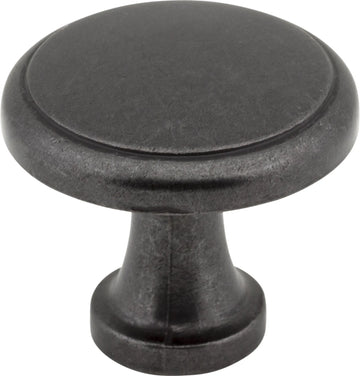
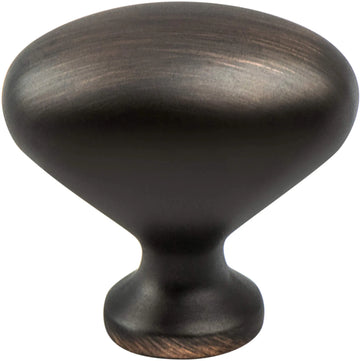
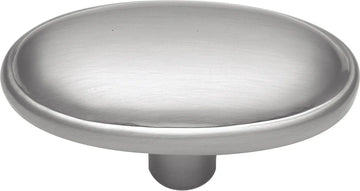
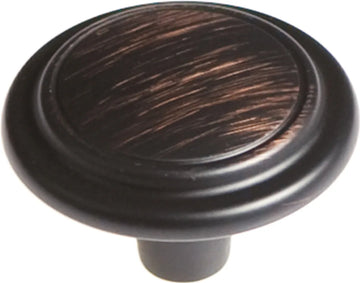
Traditional cabinet knobs are most at home in warm and aged metals: oil-rubbed bronze, antique brass, satin and polished brass, pewter, and Venetian or antique copper. Polished nickel and polished chrome carry the formal, lacquered side of the style, while clear and frosted glass knobs nod to vintage and farmhouse kitchens. Mixing finishes is common in this style, such as glass knobs paired with bronze pulls, or brass knobs against painted Shaker fronts. Warm tones in particular emphasize the cast detailing that distinguishes traditional knobs from plainer contemporary hardware.
Explore all traditional cabinet hardware, browse every cabinet knobs, or see our cabinet hardware sizing guide.
Frequently Asked Questions
What is the difference between traditional and transitional cabinet knobs?
Traditional cabinet knobs feature ornamental detail such as fluting, beading, faceted glass, and rounded or mushroom profiles drawn from classic and Colonial design. Transitional knobs strip back most of that ornament, keeping a simple round or slightly contoured shape that bridges traditional and modern cabinetry. In short, traditional knobs are more decorative, while transitional knobs are quieter and more versatile across styles.
Which finishes work best for traditional cabinet knobs?
Warm and aged metals suit traditional knobs best, including oil-rubbed bronze, antique brass, satin brass, pewter, and antique copper. Polished nickel and polished chrome support a more formal traditional look, and clear glass knobs are a common choice for vintage and farmhouse kitchens.
Are traditional knobs a good match for Shaker cabinets?
Yes. Traditional knobs pair well with Shaker cabinets because the clean recessed-panel door provides a plain backdrop that lets a detailed knob stand out. Round, fluted, and glass knobs in brass or bronze are frequently used on white, sage, and navy Shaker fronts in both kitchens and bathrooms.
Should I use traditional knobs or pulls on my cabinets?
Traditional knobs are typically used on upper cabinet doors and smaller base doors, while pulls handle wider drawers where two points of grip make opening easier. Many traditional kitchens combine the two, using knobs on doors and matching cup or bin pulls on drawers within the same finish family for a coordinated period look.
What Customers Say
Trusted by thousands of designers, builders, and homeowners
Kayla Malo is the most attentive and super human ever! My experience with this company is stellar!

Love working with Kayla, she is extremely helpful and quick with responding to my questions!
Kayla was GREAT!!!! Super help and fast answers. One of the best I've ever dealt with.