

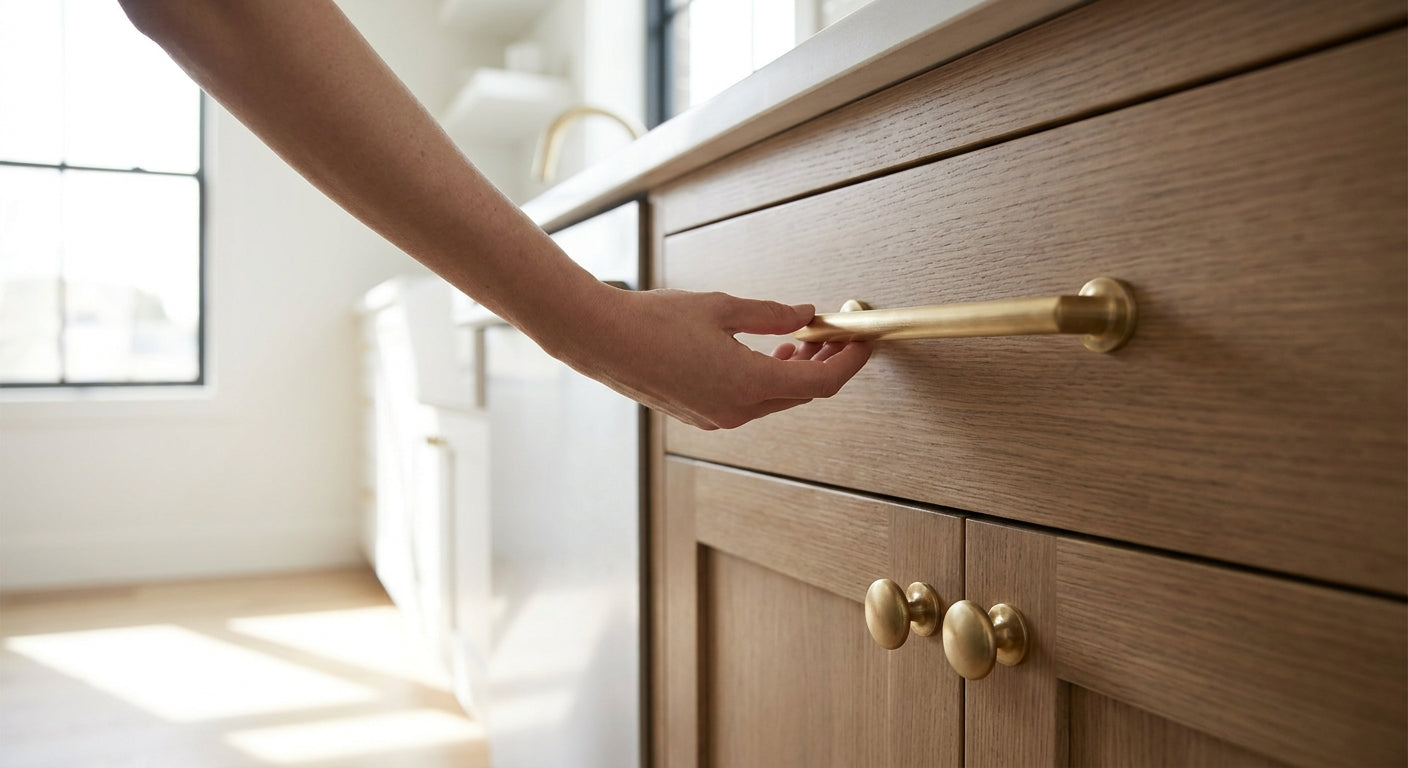
Cabinet hardware is one of the cheapest, most visible upgrades a seller can make before a listing goes live, and one of the easiest to get wrong. Get the finish, spacing, and installation right and it reads as a finished, cared-for kitchen; get it wrong and a buyer's agent flags it in the first sixty seconds of a walkthrough.
- Satin nickel and brushed brass are the safest cabinet hardware for resale value in 2026 — buy neutral, skip trend colors.
- Mismatched screw lengths and uneven hole spacing show up in walkthroughs before a single offer is written.
- Matte black dates a kitchen faster than any other finish in 2026 — limit it to appliance pulls or accents.
- Consistent hardware across kitchen and bathrooms reads as a finished home, not a DIY project, to buyers.
Shop the picks from this guide
In stock at Knobs.co · Free shipping on hardware orders $99+ · 110% price match
-
 Jeffrey Alexander
Lafayette 128 mm cc Bar Pull 317-128SN
Jeffrey Alexander
Lafayette 128 mm cc Bar Pull 317-128SN
$19.91
$22.12 -
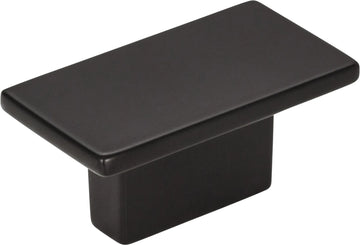 Jeffrey Alexander
Mirada 16 mm Center to Center Rectangle KnobMatte Black
Jeffrey Alexander
Mirada 16 mm Center to Center Rectangle KnobMatte Black
$6.25
$6.94 -
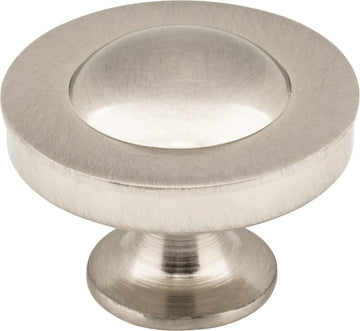 Jeffrey Alexander
Cordova 1-1/4'' diam Mushroom Knob Z111-SN
Jeffrey Alexander
Cordova 1-1/4'' diam Mushroom Knob Z111-SN
$6.03
$6.70 -
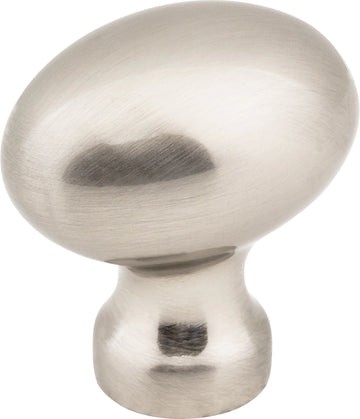 Jeffrey Alexander
Bordeaux 1-3/16'' Length Oval Knob 3990-SN
Jeffrey Alexander
Bordeaux 1-3/16'' Length Oval Knob 3990-SN
$7.83
$8.70 -
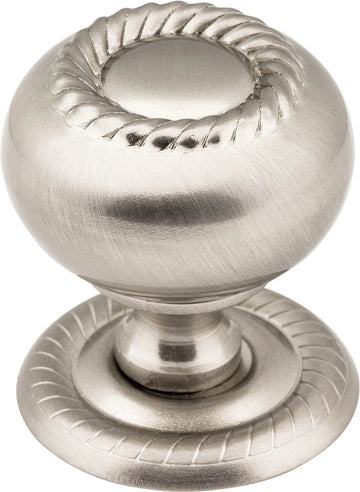 Jeffrey Alexander
Rhodes 1-1/4'' diam Mushroom Knob S6060SN
Jeffrey Alexander
Rhodes 1-1/4'' diam Mushroom Knob S6060SN
$4.23
$4.70 -
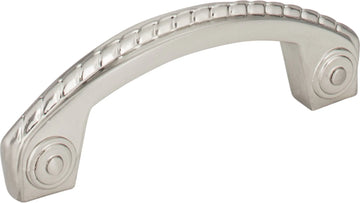 Jeffrey Alexander
Rhodes 3'' cc Bar Pull Z260-3SN
Jeffrey Alexander
Rhodes 3'' cc Bar Pull Z260-3SN
$3.68
$4.08

Why this matters
Buyers and their agents form an opinion about a kitchen before they open a single drawer. Loose knobs, mismatched finishes, and stripped screw holes are the kind of small flaws that make a buyer wonder what else got skipped during the remodel. Home staging guidance on cabinet knobs exists for exactly this reason — hardware is one of the few upgrades a seller can finish in a weekend.
The goal with future-proofing isn't picking the trendiest finish on the shelf in 2026. It's picking hardware that still looks intentional in 2031, when the next owner does their own walkthrough. That means neutral finishes, standard spacing, and clean installation over anything flashy.
What you'll need
- A cordless drill with a Phillips bit and a backup battery
- A hardware jig or mounting template for consistent hole placement
- A tape measure and a pencil for marking centers
- Replacement screws in two or three lengths (cabinet door thickness varies)
- Your chosen knob or pull, purchased in the full quantity before you start
- A putty knife and wood filler if you're relocating existing holes
The steps
1. Audit what's already installed
Walk every cabinet and drawer in the kitchen and both bathrooms, and note the finish, spacing, and knob or pull count on each. Mixed finishes from three renovations ago are the single most common issue found during a pre-listing hardware audit. This step accomplishes one thing: it tells you exactly how many pieces you need before you order, so you're not making a second trip.
Common mistake: guessing quantities from memory instead of counting doors and drawers room by room.
2. Pick a finish that ages neutral, not trendy
Satin nickel, brushed nickel, and brushed brass have stayed in steady demand for over a decade because they read as classic rather than dated. Matte black is still popular in 2026 but it's a stronger style statement, and strong statements are exactly what future buyers second-guess. Satin nickel knobs for white cabinets is a useful reference point if the kitchen is already light and neutral — the finish disappears into the design instead of dating it.
Common mistake: matching hardware to a single accent color trending in 2026 instead of the cabinet finish itself, which will outlast any trend.
3. Match size to buyer expectations, not designer flourishes
Oversized 18-inch appliance pulls or novelty knobs photograph well for a listing but read as personal taste to a buyer standing in the kitchen. A 1-1/2 inch round knob and a 5-inch to 6-inch pull are the sizes buyers expect on standard cabinet doors and drawers in most markets. Anything dramatically larger or smaller becomes a talking point during a showing, and talking points about hardware are not the conversation you want in a sale.
Common mistake: buying one oversized statement pull for the island and standard sizes everywhere else, which creates visible inconsistency.
4. Verify hole spacing and screw length before you order
Measure center-to-center spacing on every drawer and door before placing an order — 3-inch and 5-inch centers are the most common pull spacings, and mismatched centers force new drilling. Door and drawer front thickness also determines screw length; a screw that's too long punches through the interior panel, and one that's too short leaves the knob loose within months. Buy two screw lengths if your doors and drawers aren't a uniform thickness.
Expected outcome: every piece of hardware sits flush with zero wobble on first install.
5. Install with a template, not by eye
A hardware jig or mounting template keeps every hole in the exact same position across dozens of doors and drawers, and it's the difference between a professional-looking kitchen and one with visibly crooked knobs. Drill a test hole on a scrap piece of wood or an interior cabinet first to confirm the template lines up with your specific screw and bit size. Buy a template kit before you start if you're doing more than six doors — the time saved on the sixth door alone pays for it.
Common mistake: eyeballing placement on the first two or three cabinets and only reaching for a template once the spacing looks off.


6. Keep hardware consistent across every room
The kitchen, primary bath, and guest bath should share a finish family, even if the exact pieces differ by size. A buyer touring three rooms with three unrelated finishes reads it as an unfinished project, not three separate design choices. Pick one finish in 2026 and carry it through the whole house before you list.
Expected outcome: the house reads as one cohesive renovation instead of a series of partial updates.
7. Tighten and inspect before every showing
Hardware that was solid at install can loosen over months of showings and open houses. Walk the kitchen and baths with a screwdriver the morning of every open house and snug anything that's started to spin. This takes ten minutes and removes one of the easiest objections a buyer's agent can raise.
Common mistake: treating hardware installation as a one-time task instead of a maintenance item during an active listing period.
8. Save your spec sheet for the next owner
Write down the brand, finish name, and hole spacing you used, and leave it with the house documents or hand it to your agent. This turns a future touch-up into a five-minute order instead of a hunt to identify a discontinued finish. It's a small gesture that signals a well-maintained home to the next buyer's inspector.
Troubleshooting
- New pull doesn't match old holes: use a backplate sized to cover the old spacing instead of drilling new holes and patching the old ones.
- Finish doesn't match existing hinges: swap the hinges in the same order, since mismatched hinge and knob finishes are more visible than mismatched knobs alone — see choosing the right cabinet hinge before you order either.
- Screw strips the cabinet door: stop immediately, fill the hole with wood filler, let it cure, and re-drill a slightly offset pilot hole rather than forcing a longer screw.
- Trend finish looks dated already: rose gold, colored knobs, and novelty shapes age fastest — replace with a neutral finish before listing rather than hoping a buyer shares your taste.
- Knob sits crooked after tightening: the pilot hole is oversized for the screw; add a thin wood shim or switch to a screw one gauge larger.
Tools and resources
- A hardware jig or mounting template (see the installation essentials above)
- A cordless drill with variable clutch settings to avoid over-tightening
- Correct pull sizing by cabinet width if you're unsure what size fits your doors
- A finish sample or two ordered before committing to a full-house quantity
- Wood filler and matching touch-up paint for relocated holes
What to do next
If you're replacing hardware on cabinets with existing holes in the wrong spot, read how to remove old cabinet hardware without damaging cabinets before you touch a drill. Getting the removal right is what makes the new install look intentional instead of patched.
FAQ
What's the best cabinet hardware finish for resale value in 2026?
Satin nickel, brushed nickel, and brushed brass are the safest choices for resale value in 2026 because they read as neutral rather than trend-driven. Matte black still sells well but carries more risk of looking dated to the next buyer.
Should cabinet knobs match the hinges?
Yes, matching or coordinating the knob and hinge finish keeps a kitchen looking finished rather than assembled from separate projects. Mismatched hinges are often more noticeable than mismatched knobs because hinges sit at eye level on open doors.
Is matte black cabinet hardware still in style in 2026?
Matte black remains popular in 2026 but it's a stronger style statement than nickel or brass, which makes it riskier for long-term resale. Using it on accent pieces like appliance pulls rather than every knob limits the exposure.
Does replacing cabinet hardware really affect home resale value?
Hardware condition shapes a buyer's first impression of a kitchen even though it isn't a line item on a formal appraisal. Loose, mismatched, or worn hardware reads as neglect, while clean and consistent hardware reads as a well-kept home.
What size cabinet pull is standard for resale?
A 3-inch to 5-inch center-to-center pull and a 1-1/2 inch round knob are the sizes most buyers expect on standard kitchen cabinets. Oversized or novelty sizes can look distinctive in photos but stand out as a personal choice during an in-person showing.
Should every cabinet in the house use the same hardware?
Every room doesn't need identical pieces, but the kitchen, primary bath, and guest bath should share one finish family. Three different finishes across three rooms reads as an incomplete renovation rather than intentional variety.
Is it worth upgrading cabinet hardware before listing a house?
Yes, hardware is one of the lowest-effort upgrades relative to the impression it makes, since it can be swapped in a weekend without touching the cabinets themselves. It's a far smaller project than refacing or replacing cabinet boxes.
How do I fix hardware holes that don't line up with new pulls?
A backplate sized to cover the old spacing solves this without drilling new holes or patching the old ones. This is faster and cleaner than trying to fill and re-drill on doors you plan to sell soon.
One last thing
The detail most sellers miss isn't the knob finish, it's the screw. A screw that's a half-inch too long for a thinner drawer front will punch through and scuff the cabinet interior, and that's the kind of flaw a home inspector photographs. Measure the door and drawer thickness before ordering screws, not after the knobs arrive — it's the cheapest step in this whole process and the one most likely to get skipped.


