

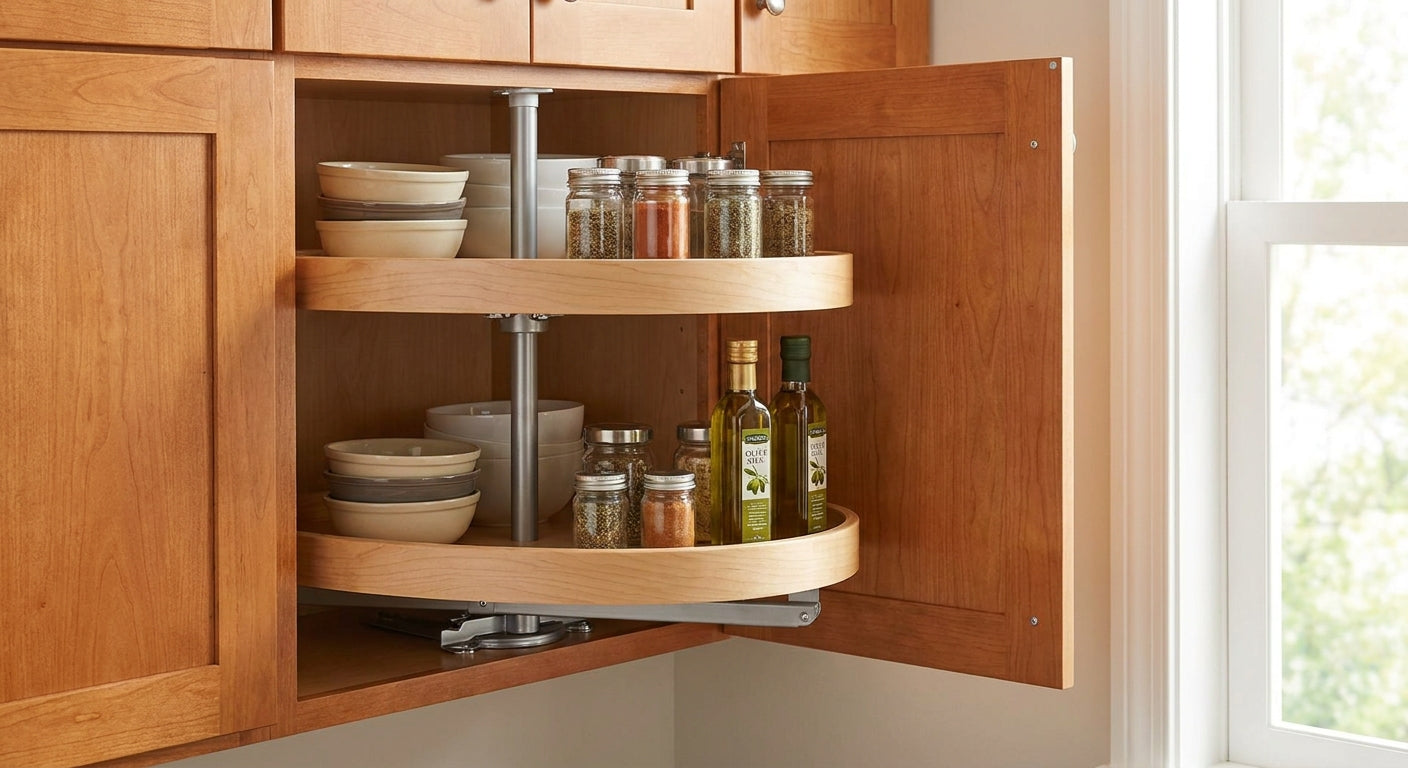
Lazy susan hardware for corner kitchen cabinets covers three things: the pie-cut hinge that lets the door swing clear of the rotating tray, the mounting hardware that keeps the whole assembly square, and the knobs or pulls that finish the doors without snagging when the tray spins.
- Lazy susan hardware for cabinets starts with a 165-degree self-close hinge like Hickory Hardware's HH075224-14 - Buy for full-overlay corner units.
- Blind and diagonal corner cabinets use different swing geometry; measure door overlay before ordering hinges in 2026.
- Schaub 704-PN's 1.5 inch polished nickel knob fits lazy susan doors without overhang - Buy for narrower door panels.
- Skip bin pulls and oversized bar pulls on lazy susan doors - they catch the frame when the tray rotates.
Shop the picks from this guide
In stock at Knobs.co · Free shipping on hardware orders $99+ · 110% price match
-
 Alno
Alno A1032 1'' Brass Cabinet KnobPolished Brass
Alno
Alno A1032 1'' Brass Cabinet KnobPolished Brass
$13.46
$14.95 -
 Alno
Alno A726 Charlie's 3 1/2'' CC Cabinet PullAntique English / 3''
Alno
Alno A726 Charlie's 3 1/2'' CC Cabinet PullAntique English / 3''
$24.26
$26.95 -
 Alno
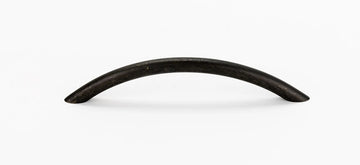
Alno A1298 128mm 5'' CC Brass Cabinet PullBarcelona
Alno
Alno A1298 128mm 5'' CC Brass Cabinet PullBarcelona
$19.76
$21.95 -
 Alno
Alno A1033 1 1/8'' Brass Cabinet KnobPolished Brass
Alno
Alno A1033 1 1/8'' Brass Cabinet KnobPolished Brass
$18.86
$20.95 -
 Alno
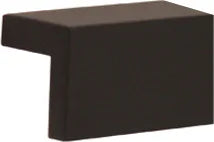
Alno A960 Tab 1 1/2'' CC Brass Cabinet PullBronze / 3/4''
Alno
Alno A960 Tab 1 1/2'' CC Brass Cabinet PullBronze / 3/4''
$16.16
$17.95 -
 Alno
Alno A1145 1 1/4'' Brass Cabinet KnobBarcelona
Alno
Alno A1145 1 1/4'' Brass Cabinet KnobBarcelona
$17.96
$19.95


Why This Matters
Corner cabinets waste a meaningful chunk of usable storage without a rotating shelf system, and that problem gets worse fast when the hinge holding the door can't clear the tray. A standard cabinet hinge swings 90 to 110 degrees. Lazy susan hardware for cabinets needs 165 to 180 degrees of swing so a pie-cut door doesn't clip the rotating shelf on the way open.
Get the swing angle wrong and you'll fight the door every time you reach for a mixing bowl. Get the overlay type wrong and the door won't sit flush against the face frame. Knobs.co stocks the hinges, knobs, and pulls that go into a corner cabinet rebuild, and the sections below sort out which pieces actually belong on a lazy susan door versus a standard cabinet door.
Most of the 2026 remodel questions Knobs.co sees on this topic aren't about finish or style - they're about clearance. A knob that looks fine in a catalog photo can stop a tray mid-spin if it's mounted on the wrong spot of a pie-cut door.
Who This Guide Is For
This guide is for homeowners replacing a broken or sagging lazy susan mechanism in a corner base cabinet, and for contractors specifying hardware on a kitchen remodel that includes a diagonal or blind corner unit. If you're shopping for a full lazy susan cabinet from scratch, the same decisions apply - the hinge and the door pull matter more than the finish you pick first.
What to Look For in Lazy Susan Hardware for Cabinets
Swing Angle
A standard cabinet hinge opens 90 to 110 degrees - not enough clearance for a pie-cut lazy susan door to swing past a rotating tray. Look for 165 to 180 degree hinges built specifically for full-overlay corner cabinets. The Hickory Hardware HH075224-14 hinge swings 165 degrees, which clears most standard 28 to 33 inch corner base cabinets without the door catching the shelf edge.
Overlay Type
Full overlay hinges sit the door flush over the face frame; face frame and partial wrap hinges leave a visible reveal instead. Corner cabinet doors are almost always full overlay because the pie-cut shape needs the door surface to cover the widest possible opening. Mixing overlay types on the same lazy susan unit is one of the most common install mistakes contractors report in 2026 remodels - check the existing door reveal before ordering a replacement hinge.
Self-Close vs Friction Hinge
A self-closing hinge pulls the door shut over the last few degrees of travel, which matters on a cabinet opened dozens of times a day. Friction-only hinges save a few dollars up front but let doors drift open, and a half-open door on a lazy susan blocks the tray from rotating entirely. Budget the extra ten to fifteen dollars for self-close hardware on any corner cabinet used daily.
Corner Cabinet Geometry
Diagonal corner cabinets, blind corner cabinets, and pie-cut lazy susan units each mount hardware differently. A blind corner cabinet hides part of the cavity behind an adjacent run of cabinets and often uses a different hinge cup depth than a diagonal corner unit. Measure the door's actual overlay and the cabinet box depth before ordering - hinge cup boring that's off by even a couple of millimeters won't seat correctly.
Door Hardware Clearance
Knobs and pulls on lazy susan doors need to clear the adjacent cabinet frame and the rotating tray as the door swings open. A knob under 1.5 inches in diameter or a pull under 9 inches center-to-center rarely causes clearance problems; bar pulls over 12 inches routinely catch the frame edge on tight diagonal corners. Mount hardware low on the door, near standard reach height, rather than centered on a tall pie-cut panel.
Tray Load and Mounting Stability
A loaded lazy susan tray puts real weight on the mounting pole and the hinge simultaneously, so hardware rated for light-duty use tends to sag first at the hinge. Confirm the hinge and mounting bracket are rated for a full-overlay door plus tray weight before final installation, not just the door alone. This is where a mounting template pays for itself - misaligned hinge cups put uneven stress on hardware that's already working at its limit.


Top Picks for Corner Cabinet Lazy Susan Hardware
The essential hinge. Hickory Hardware's HH075224-14 is a concealed, full-overlay hinge built specifically for lazy susan doors, with a 165-degree swing and self-close action. At $56, it costs more than a standard cabinet hinge, but it's sized for the pie-cut geometry that catches a tray on generic hardware. Buy for any full-overlay corner cabinet in a 2026 remodel.
The small-door knob. The Schaub and Company 704-PN traditional round knob measures 1.5 inches in diameter in a polished nickel finish - small enough to sit on a lazy susan door without hanging into the swing path. It's a low-profile match for the narrower half of a pie-cut door. Buy if your corner cabinet doors run under 12 inches wide.
The wider-door pull. The Top Knobs Amwell bar pull measures 8-13/16 inches center-to-center - long enough to grip on a wider lazy susan panel without extending into bin-pull territory that catches the frame. Consider it for the larger of the two pie-cut doors, where a single knob looks undersized.
The reinforcement pick. Belwith's PBH3103 mounting template includes a 3/16-inch drill bit and marks hole spacing before you commit to drilling a $56 hinge into the wrong spot. Buy if you're boring new hinge cups instead of matching an existing bore pattern.
What to Avoid
- Bin pulls and cup pulls wider than 4 inches. They protrude further from the door face than a knob or bar pull, and on a pie-cut door that's exactly the extra clearance that catches the adjacent cabinet frame mid-swing.
- Friction-only hinges on daily-use corner cabinets. They look identical to self-close hinges in a product photo, but a door that drifts open on a lazy susan blocks the tray from turning - read the hinge buying guide before ordering hinges by finish alone.
- Mismatched swing direction. Ordering a left-swing hinge for a right-hung door is one of the most common return reasons on corner cabinet hardware in 2026 - check which way the existing door opens before ordering a replacement.
Verdict Comparison Table
| Hardware | Swing/Spec | Self-Close | Best For | Verdict |
|---|---|---|---|---|
| Hickory Hardware HH075224-14 hinge | 165 degree swing | Yes | Full-overlay corner cabinets | Buy |
| Schaub 704-PN knob | 1.5 inch diameter | N/A | Doors under 12 inches wide | Buy |
| Top Knobs Amwell bar pull | 8-13/16 inch CC | N/A | Wider pie-cut doors | Consider |
| Belwith PBH3103 template | Includes 3/16 inch bit | N/A | New hinge cup drilling | Buy |
| Friction-only generic hinge | 90-110 degree swing | No | Daily-use corner cabinets | Skip |
FAQ
What is lazy susan hardware for cabinets?
Lazy susan hardware for cabinets is the hinge, mounting bracket, and rotating tray hardware built for pie-cut corner cabinet doors. The key difference from standard cabinet hardware is swing angle - lazy susan hinges open 165 to 180 degrees instead of the usual 90 to 110 degrees.
What swing angle do lazy susan cabinet hinges need?
Lazy susan cabinet hinges need 165 to 180 degrees of swing to clear the rotating tray. A standard 110-degree hinge stops the door before it clears the shelf, blocking access to the back of the cabinet.
Can I use regular cabinet knobs on a lazy susan door?
Yes, as long as the knob stays under about 1.5 inches in diameter or the pull stays under roughly 9 inches center-to-center. Larger bin pulls and long bar pulls tend to catch the cabinet frame when the pie-cut door swings open.
How much does a lazy susan hinge cost in 2026?
A self-close, full-overlay lazy susan hinge runs about 50 to 60 dollars in 2026, compared to 5 to 10 dollars for a standard cabinet hinge. The higher price reflects the specialized 165-degree swing mechanism.
Is self-close or friction hinge better for a lazy susan cabinet?
Self-close is better for any lazy susan cabinet used daily, because a door that drifts open blocks the tray from rotating. Friction-only hinges cost less but create more maintenance headaches on high-traffic corner cabinets.
How do I know if my corner cabinet is blind or diagonal?
A blind corner cabinet has one door and hides part of its cavity behind an adjacent cabinet run; a diagonal corner cabinet has an angled face with its own dedicated door. Diagonal units almost always house the rotating lazy susan tray and use full-overlay hinges.
What tools do I need to replace lazy susan cabinet hardware?
You need a drill, a 3/16-inch bit, a mounting template or jig, and a screwdriver for the hinge plates. A drill template speeds up alignment and prevents mismatched hole spacing when replacing an old hinge with a new one.
One Last Thing
Most lazy susan hardware failures aren't the hinge - they're the door hardware someone chose for looks instead of clearance. A wide bin pull on a pie-cut door looks sharp in a showroom photo and catches the cabinet frame on the first spin in a real kitchen. Measure swing clearance with the tray loaded, not empty, before finalizing which knob or pull goes on the door in your 2026 project.


