

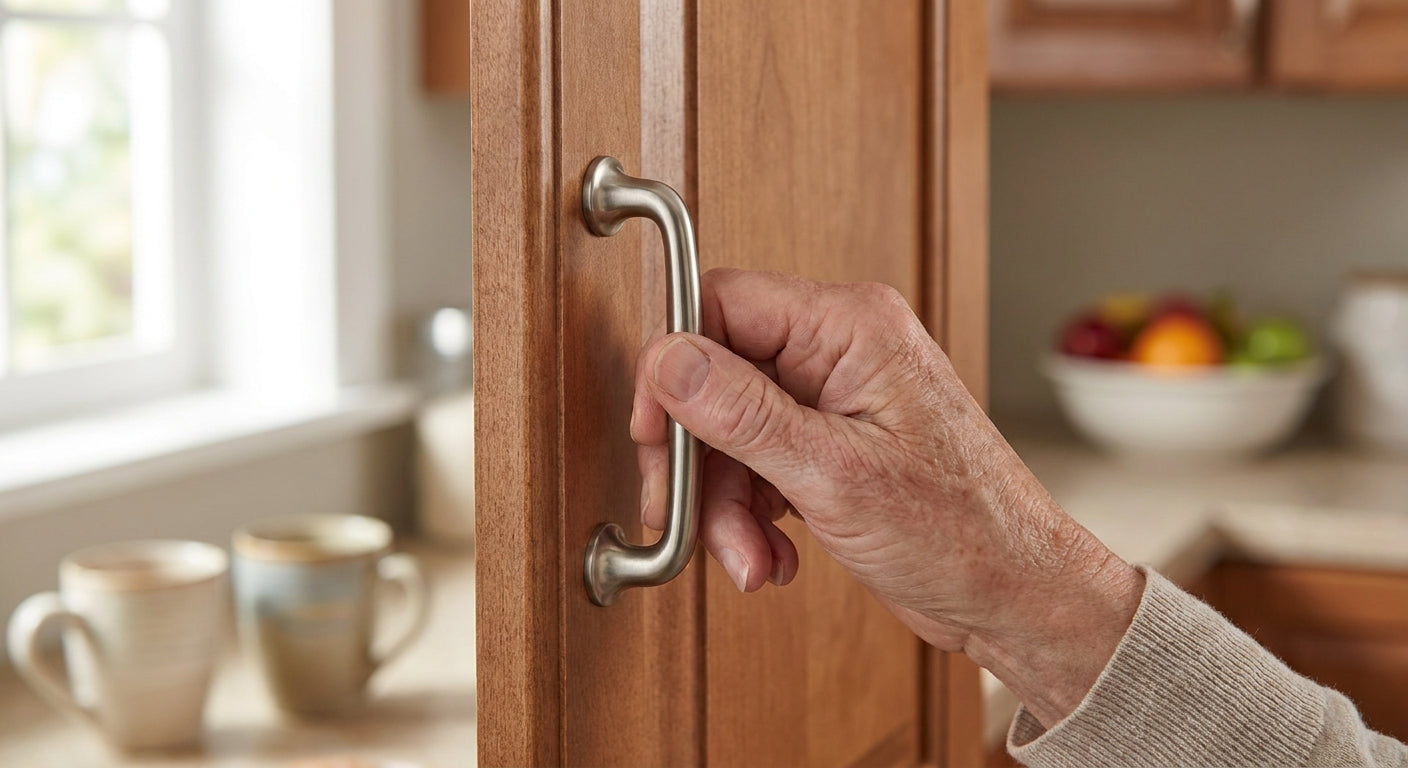
Cabinet pulls with a narrow bar profile or a pinch-grip knob turn a simple drawer into a daily frustration once grip strength drops. This guide breaks down what makes a lever-style pull actually work for arthritic hands, weak wrists, or limited dexterity, and names the specific pulls worth buying in 2026.
Shop the finish
Every stainless steel knob and pull we carry, in one place — filter by size, style, and brand.
Browse Stainless Steel Cabinet Hardware →- Jeffrey Alexander's 160mm Griffin bar pull wins for arthritic hands — wide bar, no pinch point. Buy.
- Lever cabinet pulls for arthritis need a bar diameter you can hook with a loose fist, not fingertips.
- Knobs under 1.5 inches diameter force a pinch grip — skip them for anyone with reduced hand strength.
- Atlas Homewares' Tustin stainless pull works as a low-cost modern option at 6.5 inches long. Consider.
Shop the picks from this guide
In stock at Knobs.co · Free shipping on hardware orders $99+ · 110% price match
-
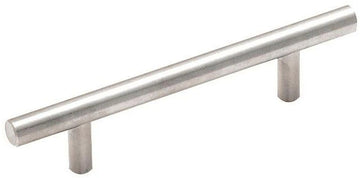 Amerock
Bar Pulls 3-3/4'' cc Cabinet Pull BP19011Sterling Nickel
Amerock
Bar Pulls 3-3/4'' cc Cabinet Pull BP19011Sterling Nickel
$7.19
$8.45 -
 Amerock
Bar Pulls 12-5/8'' cc Cabinet Pull BP19014Polished Chrome
Amerock
Bar Pulls 12-5/8'' cc Cabinet Pull BP19014Polished Chrome
$15.60
$18.35 -
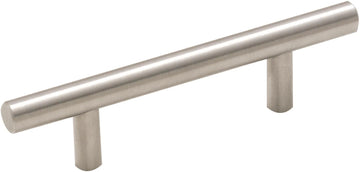 Amerock
Bar Pulls 3'' cc Cabinet Pull BP19010Sterling Nickel
Amerock
Bar Pulls 3'' cc Cabinet Pull BP19010Sterling Nickel
$6.00
$7.05 -
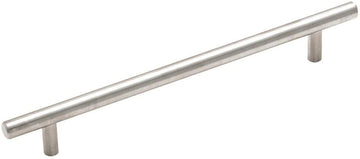 Amerock
Bar Pulls 7-9/16'' cc Cabinet Pull BP19012Sterling Nickel
Amerock
Bar Pulls 7-9/16'' cc Cabinet Pull BP19012Sterling Nickel
$10.78
$12.68 -
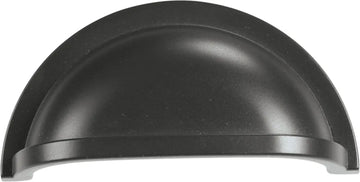 Hickory Hardware
Williamsburg Collection Cup Pull 3'' ccOil-Rubbed Bronze
Hickory Hardware
Williamsburg Collection Cup Pull 3'' ccOil-Rubbed Bronze
$4.80
$5.99 -
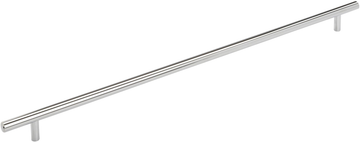 Amerock
Bar Pulls 18-7/8'' cc Cabinet Pull BP19016Polished Chrome
Amerock
Bar Pulls 18-7/8'' cc Cabinet Pull BP19016Polished Chrome
$20.19
$23.75

Why this matters
Grip strength drops with arthritis, and it drops fast — the Arthritis Foundation has flagged reduced pinch and grip force as one of the earliest functional losses in hand osteoarthritis. A cabinet pull that needs a pinch to open isn't a design detail at that point; it's a daily obstacle in a kitchen someone uses ten times a day.
ADA kitchen guidance already leans toward lever and D-shaped bar pulls over knobs for exactly this reason, and the logic behind ADA-compliant cabinet hardware planning applies just as well to a home kitchen remodel for an aging-in-place parent as it does to a commercial build. The fix isn't expensive or complicated. It's picking the right bar profile, length, and mounting spacing from the start.
Who this is for
This guide is for anyone shopping cabinet hardware for a household where grip strength, wrist rotation, or fine motor control is limited — arthritis, post-surgery recovery, Parkinson's, or simply aging hands that no longer close tightly around a 1.25-inch knob. It's also for contractors and designers spec'ing an aging-in-place remodel who need pulls that pass a basic accessibility gut-check without looking clinical.
What to look for in lever cabinet pulls for arthritis
Bar diameter and clearance
A pull with a bar diameter under 3/8 inch and tight backplate clearance forces fingers to curl into a pinch to get purchase. Look for bars with at least 1/2 inch of standoff from the door face — enough for two or three fingers, or the side of a closed fist, to hook underneath without squeezing.
Pull length
Longer pulls spread the grip force across more of the hand instead of concentrating it at one point. A 5-inch to 8-inch pull lets someone open a drawer with a palm push rather than a fingertip pull, which matters enormously when fine motor control is the issue, not overall strength.
Edge profile
Squared-off edges and sharp corners dig into skin that's already sensitive from joint inflammation. Rounded, reeded, or softly beveled bar profiles distribute pressure instead of concentrating it on one edge — this is a bigger factor in daily comfort than finish or style.
Mounting hole spacing
Retrofitting existing cabinets means matching or adapting to holes already drilled. Center-to-center spacing that's close to what's already in the door (or a pull long enough to cover the old holes with a backplate) saves a full re-drill and keeps costs down on a room-by-room upgrade.
Operating force
This one's invisible on a spec sheet but decides whether the pull actually gets used: some drawer slides need real force to break static friction, and a light bar pull on a heavy, un-lubricated slide still won't help. Pair any lever-style pull upgrade with a check on the drawer glide itself, especially in older cabinet boxes.
Top picks for limited grip strength
Jeffrey Alexander Griffin 160mm bar pull — the safe pick. This is a straightforward 160mm center-to-center bar pull with a rounded profile and enough standoff for a full-hand hook, not a pinch. It retrofits cleanly onto most standard drawer fronts already drilled for a 160mm or 128mm spacing conversion kit. Buy — it's the least risky option for a household mixing several ability levels, and the Griffin 160mm bar pull covers cabinet drawers and doors without looking institutional.
Atlas Homewares Tustin stainless pull, 6.5 inches — the budget modern option. A straight stainless bar at 6.5 inches overall length, wider grip zone than a knob, and a finish that resists fingerprint smudging — a real plus when hands can't wipe hardware down easily. Consider it for kitchens going for a clean, minimal look where a heavily reeded or ornate bar would clash; the Tustin 6.5-inch pull is a solid, low-drama choice.
Top Knobs Morris Florham pull, 6.5 inches — the traditional-kitchen pick. This pull carries more visual weight and a slightly more sculpted bar than the Tustin, which actually helps grip — the contour gives fingers a natural resting point instead of a flat surface. Buy for traditional or transitional kitchens where a plain stainless bar would look out of place; check out the Morris Florham pull before committing to a whole-kitchen order.
Jeffrey Alexander Ivan 305mm bar pull — the oversized-reach pick. At 305mm center-to-center, this is one of the longer bar pulls in a standard catalog, built for wide drawer fronts or pantry doors where a short pull would leave someone reaching awkwardly to one side. Buy for pantry cabinets, tall appliance panels, or any drawer over 24 inches wide — the extra length means less precision needed to find the grip point on the first try.
What to avoid
- Small round knobs under 1.25 inches diameter. They look tidy in photos and force exactly the pinch grip that arthritic joints struggle with most — skip these for any drawer or door used daily by someone with reduced hand strength.
- Spring-loaded touch-latch mechanisms marketed as "handle-free." They eliminate the pull entirely, which sounds helpful, but they require a firm, precise push that's harder to control than a bar pull for many arthritic hands.
- Decorative bar pulls with sharp square edges and no radius. Manufacturers sometimes use a squared bar for a modern look; it photographs well and hurts to grip for more than a few seconds, which matters on a pull someone touches dozens of times a day.
Verdict comparison
| Pull | Length | Grip Profile | Best For | Verdict |
|---|---|---|---|---|
| Jeffrey Alexander Griffin 160mm | 160mm CC | Rounded bar, full standoff | General retrofit | Buy |
| Atlas Homewares Tustin | 6.5 in | Straight stainless bar | Minimal/modern kitchens | Consider |
| Top Knobs Morris Florham | 6.5 in | Sculpted bar, contoured rest | Traditional kitchens | Buy |
| Jeffrey Alexander Ivan 305mm | 305mm CC | Long straight bar | Wide drawers, pantry | Buy |
Across all four, the pattern holds: bar pulls with a rounded or contoured profile and at least 5 inches of usable length beat knobs and squared bars for anyone dealing with grip loss in 2026 kitchen and bathroom remodels.
FAQ
What is the best lever cabinet pull for arthritis?
A bar pull with a rounded profile, at least 5 inches of length, and 1/2 inch of standoff from the door face is the best type for arthritic hands in 2026. The Jeffrey Alexander Griffin 160mm bar pull fits this profile and retrofits onto most standard drawer fronts.
Are bar pulls better than knobs for limited grip strength?
Yes, bar pulls are better than knobs for limited grip strength because they let you hook fingers or a closed fist under the bar instead of pinching a small round surface. Knobs under 1.25 inches diameter are the hardest hardware type for arthritic hands to operate.
How long should a cabinet pull be for someone with weak hands?
A cabinet pull should run 5 to 8 inches long for someone with weak hands, since longer bars spread grip force across more of the hand. Pantry and appliance doors benefit from pulls in the 250mm to 305mm range for the same reason.
Do lever-style cabinet pulls cost more than standard knobs?
Lever-style bar pulls are generally priced similarly to decorative knobs in the same finish tier, not significantly more. The cost difference across a full kitchen comes down more to finish and brand than to pull style.
What edge profile is easiest on arthritic hands?
A rounded or reeded bar profile is easiest on arthritic hands because it distributes pressure across the fingers instead of concentrating it on a sharp edge. Squared, flat-sided bar pulls are the profile to avoid even though they photograph well.
Can I retrofit lever pulls onto cabinets already drilled for knobs?
Retrofitting is possible when you choose a bar pull long enough to cover the existing single hole with a backplate, or when you're willing to drill a second hole for true bar-pull spacing. Matching center-to-center spacing to what's already drilled avoids extra holes entirely.
Is stainless steel a good finish for arthritic hands?
Stainless steel is a practical finish choice because it resists fingerprint buildup and doesn't require the polishing that brass or nickel finishes need over time. It also tends to ship with smoother, more consistently rounded edges across mass-market bar pulls.
How do I know if a pull's operating force will be too high?
Operating force depends more on the drawer slide condition than the pull itself, so check whether the drawer glides freely before assuming a new pull will solve the problem. A lever pull on a sticky, un-lubricated slide will still be hard to open regardless of the hardware.
One last thing
The pull is only half the fix. A bar pull with perfect grip clearance still fights you if the drawer slide underneath hasn't been serviced in a decade — dried-out nylon rollers add real resistance that no amount of hand-friendly hardware overcomes. Check the slide before ordering a full set of lever pulls; sometimes the actual grip problem is 15 years of dust, not the hardware.


