

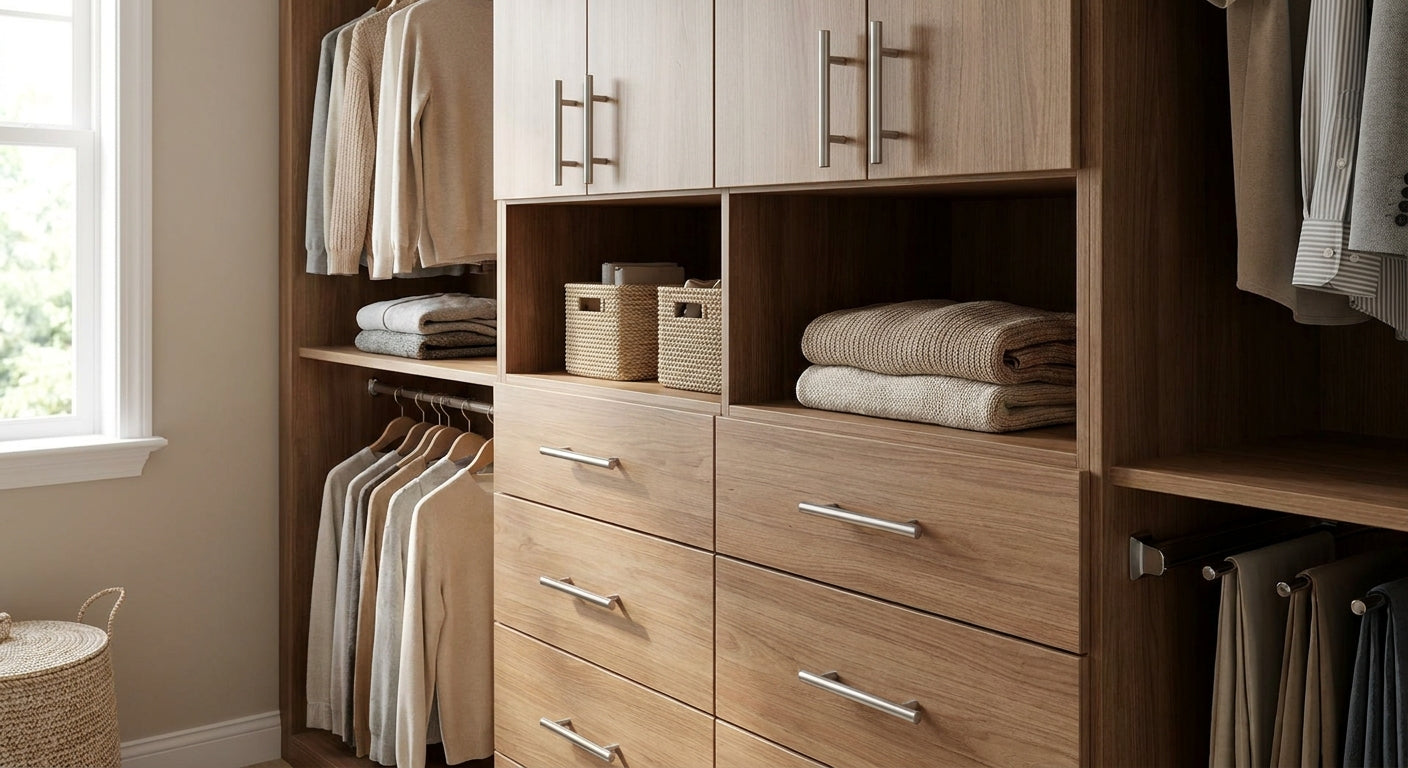
Picking t-bar pulls for closets is a different job than picking pulls for a kitchen island — closet doors get grabbed with full hands, loaded arms, and low light, and the wrong bar pull turns a $3,000 closet system into a daily annoyance.
Shop bar pulls
Every bar pull we carry, in one place — filter by size, finish, and brand.
Browse Bar Pulls →- Jeffrey Alexander's Griffin 160mm bar pull is the safe buy for standard wardrobe doors in 2026 — Buy.
- Elements Torino 4-inch bar pull is the budget option for multi-door reach-in closets — Buy.
- Barrington's Channing pull at 5.06 inches suits walk-in closet systems with wider stiles — Consider.
- Skip crystal-embellished or oversized appliance-style bars on closet doors; they snag garment bags.
Shop the picks from this guide
In stock at Knobs.co · Free shipping on hardware orders $99+ · 110% price match
-
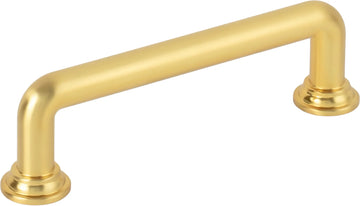 Jeffrey Alexander
Davis 96 mm cc Bar PullBrushed Gold
Jeffrey Alexander
Davis 96 mm cc Bar PullBrushed Gold
$10.98
$12.20 -
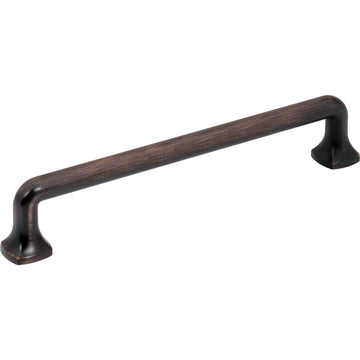 Jeffrey Alexander
Griffin 160 mm cc Bar Pull 663-160DBAC
Jeffrey Alexander
Griffin 160 mm cc Bar Pull 663-160DBAC
$14.42
$16.02 -
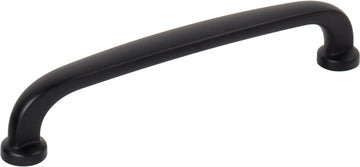 Jeffrey Alexander
Weser 128 mm cc Bar PullMatte Black
Jeffrey Alexander
Weser 128 mm cc Bar PullMatte Black
$11.02
$12.24 -
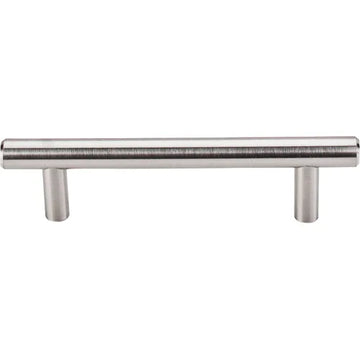 Top Knobs
Bar s Hopewell Bar Pull 3 3/4'' cc M429 Brushed Satin Nickel
Top Knobs
Bar s Hopewell Bar Pull 3 3/4'' cc M429 Brushed Satin Nickel
$9.90
$11.00 -
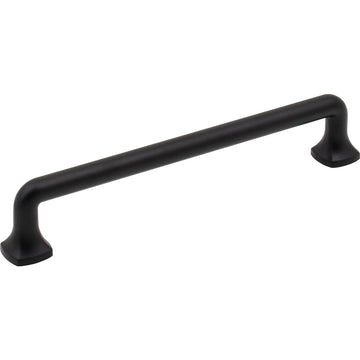 Jeffrey Alexander
Griffin 160 mm cc Bar PullMatte Black
Jeffrey Alexander
Griffin 160 mm cc Bar PullMatte Black
$14.42
$16.02 -
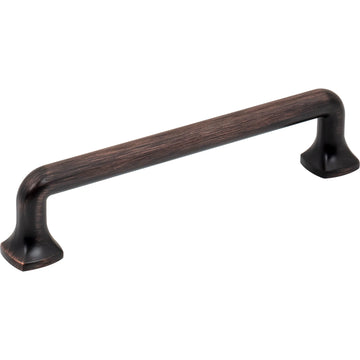 Jeffrey Alexander
Griffin 128 mm cc Bar Pull 663-128DBAC
Jeffrey Alexander
Griffin 128 mm cc Bar Pull 663-128DBAC
$12.03
$13.36
Why this matters
A closet organization system lives or dies on repetition — one drawer front might get grabbed twice a day, but a full reach-in wall of drawers gets grabbed dozens of times, and a bar pull that flexes, loosens, or snags fabric on the third door is a problem on all twenty.
Cabinet hardware built for kitchens assumes wood face frames and occasional use. Closet systems are usually thin melamine or MDF panels, mounted tight to each other, opened with one hand while the other holds a hanger. T-bar pulls solve that better than knobs because they give a full-hand grip without requiring you to pinch, but only if the length, spacing, and finish are matched to the door, not just the room.
Who this is for
This guide is for homeowners retrofitting a closet organization system — reach-in, walk-in, or a run of wardrobe cabinets — and for closet installers and contractors sourcing bar pulls across a full project. If you're buying for a kitchen or bath, the sizing logic still applies, but the failure modes below (fabric snagging, finish wear from constant hand contact) are specific to closet use.
What to look for in t-bar pulls for closets
Center-to-center spacing that matches your door width
Most closet drawer and door fronts run narrower than kitchen cabinet doors, so a 160mm (about 6.3-inch) center-to-center spacing fits the majority of reach-in drawer fronts without looking oversized. Measure the door width before ordering — a pull sized for a 24-inch kitchen cabinet door will look wrong on a 12-inch closet drawer.
A bar profile you can grip with a full hand
Closet doors get opened while carrying laundry, holding hangers, or with one hand full. A rounded bar profile with clearance behind it lets you hook fingers under the bar without catching a knuckle — thin or flat-profile bars look sleek but are harder to grip fast.
A finish that holds up to constant hand contact
Brushed and satin finishes hide fingerprints and micro-scratches far better than polished chrome or bright brass on surfaces touched dozens of times a day. For closet organization systems that get heavy daily traffic, brushed satin nickel and matte black outperform polished finishes over a multi-year span.
Screw length matched to thin closet-grade panels
Many closet systems use 5/8-inch or 3/4-inch melamine panels, thinner than the 3/4-inch to 1-inch stock common in kitchen cabinetry. Confirm the mounting screws included with a bar pull suit thinner panel stock, or you'll be sourcing shorter screws separately before installation.
Consistency across dozens of identical pulls
A single kitchen might need eight to twelve pulls. A full closet system with drawer banks, hamper doors, and cabinet fronts can need thirty or more of the same pull, and even small batch-to-batch finish variation becomes obvious across that many identical parts side by side. Buying from one closet rod and bracket hardware source alongside your pulls keeps hardware sourcing and finish matching in one order.
Top picks for closet organization systems
The safe pick — Jeffrey Alexander Griffin 160mm Bar Pull. This is a straightforward 160mm center-to-center bar pull that fits the majority of standard reach-in drawer fronts without special-ordering a size. It's the pull to default to when you're outfitting a whole closet system and don't want to think about spacing twice. Jeffrey Alexander's Griffin 160mm bar pull is a Buy for standard reach-in projects in 2026.
The budget pick — Elements Torino 4-inch Bar Pull. At a 4-inch center-to-center spacing in a matte black finish, this is the compact option for narrower drawer fronts and multi-door closets where you're ordering in volume. The shorter length keeps cost down when you need thirty-plus identical pulls across a project. The Elements Torino 4-inch bar pull is a Buy for budget-conscious reach-in builds.
The wide-door pick — Barrington Channing Pull, 5.06-inch CC. For walk-in closet systems with wider door and drawer stiles, a 5.06-inch bar in brushed satin nickel gives a proportionally larger grip without tipping into appliance-pull territory. This is the pick when your closet doors run closer to kitchen cabinet width than standard reach-in drawer fronts. Barrington's Channing pull is a Consider for wider-stile walk-in installs.
The heavy-duty option — Jeffrey Alexander Belcastel 1, 160mm. A more substantial bar profile in an antique brushed finish, this pull suits closet systems that also serve as a mudroom or utility drop zone, where hands are dirtier and grip matters more than sleekness. Treat this as a Consider if your closet doubles as high-traffic storage rather than a straightforward wardrobe.
What to avoid
- Crystal-embellished or decorative bar hardware. Beautiful on a powder room vanity, a liability on a closet door that gets grabbed with a full hand — embellishments snag garment bags and knit fabric.
- Polished brass or chrome on high-traffic drawer banks. These finishes show fingerprints fast and need more frequent cleaning than brushed or matte options on hardware touched dozens of times a day.
- Oversized appliance pulls sized for refrigerators. They look substantial in a photo but overwhelm a standard closet drawer front and cost more per unit than a project-scale closet system needs.
“If the bar pull spans less than a third of the drawer front, it reads as an afterthought on a closet door.”
Verdict comparison
| Pull | CC Spacing | Finish | Best For | Verdict |
|---|---|---|---|---|
| Jeffrey Alexander Griffin | 160mm | Distressed antique copper | Standard reach-in drawers | Buy |
| Elements Torino | 4 in | Matte black | Budget multi-door projects | Buy |
| Barrington Channing | 5.06 in | Brushed satin nickel | Wide-stile walk-in doors | Consider |
| Jeffrey Alexander Belcastel 1 | 160mm | Antique brushed | Mudroom-adjacent closets | Consider |
FAQ
What size t-bar pull works best for closet drawers in 2026?
A 160mm center-to-center bar pull fits most standard closet drawer fronts in 2026. Narrower reach-in drawers often suit a shorter 4-inch pull instead, so measure the door width before ordering.
Are t-bar pulls better than knobs for closet organization systems?
T-bar pulls give a full-hand grip that knobs don't, which matters on closet doors opened while carrying laundry or hangers. Knobs still work fine on lightly used cabinet doors within the same system.
What finish holds up best on daily-use closet hardware?
Brushed satin nickel and matte black resist fingerprints better than polished chrome or brass on surfaces touched dozens of times a day. Polished finishes show wear noticeably faster on high-traffic closet drawer banks.
How many bar pulls does a full closet system typically need?
A single reach-in closet with drawer banks and cabinet doors can need twenty to thirty identical pulls. Ordering from one source keeps finish consistent across that volume, which matters more than it does for an eight-pull kitchen.
Do closet doors need shorter mounting screws than kitchen cabinets?
Often yes — many closet systems use 5/8-inch to 3/4-inch panel stock, thinner than typical kitchen cabinet doors. Confirm screw length before installation rather than assuming standard kitchen hardware screws will fit.
Can I mix bar pull finishes across a closet organization system?
You can, but consistency reads as more intentional across a large run of identical drawers and doors. Most closet installers pick one finish for the whole system and reserve mixed metals for standalone furniture pieces.
What's the difference between a bar pull and an appliance pull for closets?
Bar pulls run roughly 4 to 8 inches and suit standard drawer and door fronts. Appliance pulls run 12 inches or longer and are sized for refrigerators and dishwashers, oversized for most closet applications.
One last thing
The detail most closet buyers miss isn't the pull itself — it's ordering one extra unit per twenty installed. Closet systems run enough identical pulls that a dropped screw or a stripped hole is a statistical certainty over a full project, and having a spare on hand in 2026 beats re-ordering and waiting on a single unit to match a finish batch.


