

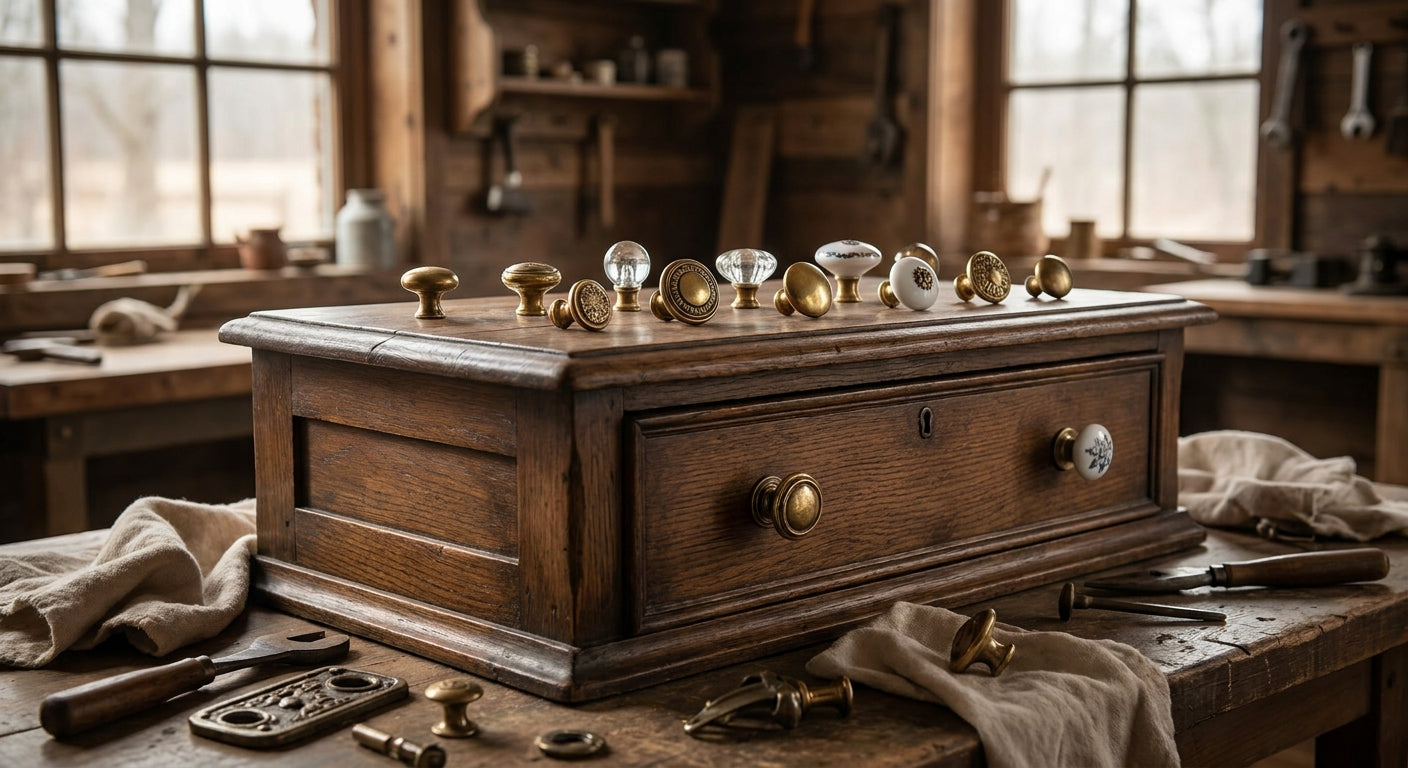
Antique dresser restoration lives or dies on the hardware — swap in the wrong knob and a $1,200 mahogany dresser reads like a flea-market flip. This guide ranks the cabinet knobs for antique dresser restoration that hold up against Georgian, Victorian, and Art Deco pieces in 2026, with a straight buy or skip on each.
- The Schaub and Company 704-PN Traditional Round Knob in polished nickel is the safest cabinet knobs for antique dresser restoration pick at 1-1/2 inch. Buy.
- Britannia's Victoria Knob in Pewter Antique matches Georgian and Victorian dressers with a 1-1/4 inch backplate. Buy.
- Alno's Charlies 3 inch Pull fits most pre-1960 drawer spacing without redrilling. Consider.
- Edgar Berebi's Glendale Knob in polished gold reads too modern for pre-1900 pieces. Skip for period restoration.
Shop the picks from this guide
In stock at Knobs.co · Free shipping on hardware orders $99+ · 110% price match
-
 Alno
Alno A1032 1'' Brass Cabinet KnobPolished Brass
Alno
Alno A1032 1'' Brass Cabinet KnobPolished Brass
$13.46
$14.95 -
 Alno
Alno A726 Charlie's 3 1/2'' CC Cabinet PullAntique English / 3''
Alno
Alno A726 Charlie's 3 1/2'' CC Cabinet PullAntique English / 3''
$24.26
$26.95 -
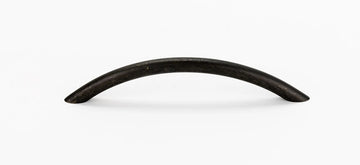 Alno
Alno A1298 128mm 5'' CC Brass Cabinet PullBarcelona
Alno
Alno A1298 128mm 5'' CC Brass Cabinet PullBarcelona
$19.76
$21.95 -
 Alno
Alno A1033 1 1/8'' Brass Cabinet KnobPolished Brass
Alno
Alno A1033 1 1/8'' Brass Cabinet KnobPolished Brass
$18.86
$20.95 -
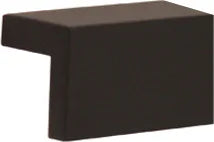 Alno
Alno A960 Tab 1 1/2'' CC Brass Cabinet PullBronze / 3/4''
Alno
Alno A960 Tab 1 1/2'' CC Brass Cabinet PullBronze / 3/4''
$16.16
$17.95 -
 Alno
Alno A1145 1 1/4'' Brass Cabinet KnobBarcelona
Alno
Alno A1145 1 1/4'' Brass Cabinet KnobBarcelona
$17.96
$19.95


Why This Matters
Original hardware on a real antique is worth preserving whenever the screws still turn and the finish isn't pitted through. But most dressers that reach a restoration bench in 2026 are missing at least one pull, or wearing plated hardware from a 1980s update that never matched the piece to begin with.
The fix has to solve two problems at once: it needs to look like it belongs on the piece, and it needs to physically fit the existing screw holes or backplate footprint. Get either wrong and you're either drilling new holes into 150-year-old wood or staring at a knob that photographs like a prop.
Cabinet knobs for antique dresser restoration work differently than kitchen remodel hardware. Diameter, cc spacing, and base metal weight all have to read as period-correct, not just "antique-style" on a product label.
How We Ranked
Each pick here is scored against catalog data across Knobs.co's 50,000-plus SKU range, comparing finish authenticity, base metal weight, and hole-spacing tolerance for common antique dresser drawer sizes. Solid brass and solid pewter pieces score higher than plated zinc alloy because they age with a real patina instead of flaking.
Backplate availability matters too — a knob that ships with a matching backplate option covers mismatched or oversized screw holes from a prior hardware swap, which is the single most common problem on restoration projects in 2026. Style-era fit was checked against Georgian, Victorian, and early Art Deco dresser silhouettes, not generic "vintage" marketing language.
The Ranked List
1. The Safe Classic: Schaub and Company 704-PN Traditional Round Knob
Polished nickel, 1-1/2 inch diameter, and a silhouette that has appeared on American and English dressers since the 1800s. This is the Schaub and Company traditional round knob restorers reach for when the original hardware is gone entirely and there's no backplate to hide behind. Polished nickel reads correct against mahogany, walnut, and painted Georgian pieces alike. Buy.
2. The Aged-Patina Pick: Britannia Victoria Knob in Pewter Antique
The Britannia Victoria Knob comes at 1-1/4 inch with an included M25 backplate, and the Pewter Antique finish already carries the dull gray-brown tone that polished metals take 40-plus years to develop naturally. That backplate is the real value here — it covers oversized or off-center screw holes left by a prior hardware change without a wood filler repair. On a genuine Victorian dresser, this is the closest match to original foundry work you'll find in a current catalog. Buy.
3. The Drawer Workhorse: Alno Charlies 3 inch Pull
The Alno Charlies 3 inch Pull uses a standard 3 inch center-to-center spacing that matches a large share of dresser drawers built before 1960. Check your existing holes with a tape measure before ordering — if the spacing is anything other than 3 inches, this pull means new holes. On a match, it's a clean, low-profile option for drawers that need function over ornament. Consider.
4. The Statement Piece: Edgar Berebi Glendale Knob, Polished Gold
The Edgar Berebi Glendale Knob is a genuinely striking piece of hardware, but polished gold is an Art Deco and Hollywood Regency finish, not a 19th-century one. Put it on a 1930s vanity and it sings. Put it on an 1880s Victorian dresser and it looks like a costume prop. Skip for pre-1900 restorations, Consider for Deco-era pieces.
5. The Small-Drawer Fit: Schaub and Company 711-PN Traditional Knob
At 1-1/4 inch, the Schaub and Company 711-PN Traditional Knob shares the same collection tone as the 704-PN above, which makes it the right call for a dresser's smaller top drawers or a jewelry drawer where a 1-1/2 inch knob would crowd the stile. Buying both sizes from the same collection keeps the finish batch consistent across the whole piece. Buy as a coordinating set.
6. The Bail-Style Alternative: Alno A1263 3 inch Cup Pull
Cup pulls predate knob-and-pull hardware on American case furniture, and the Alno A1263 3 inch cup pull reads correct on campaign-style chests and line-and-berry inlay dressers where a round knob looks anachronistic. It's a narrower niche pick — most dressers built after 1850 moved to knobs or bail pulls — but for the right piece it's the only period-accurate option on this list. Consider for pre-1850 case pieces only.
For dressers built specifically for display rather than daily drawer use, ornate long pulls in Antique Brass with a heavier presence work better than a standard round knob:


“If the screw holes don't match a standard 3 inch or 3-1/2 inch spacing, measure twice before you order — redrilling old dresser wood is the mistake you can't take back.”
For dressers with true drop-front hardware still original to the piece, the guide on drop bail pulls for antique furniture covers matching bail curvature and post spacing in more detail than fits here.
Comparison Table
| Pick | Style Era Match | Finish | Size / Spacing | Verdict |
|---|---|---|---|---|
| Schaub 704-PN Traditional Round Knob | Georgian, Victorian | Polished Nickel | 1-1/2 inch | Buy |
| Britannia Victoria Knob | Victorian | Pewter Antique | 1-1/4 inch, backplate incl. | Buy |
| Alno Charlies Pull | Mid-century, general | Various | 3 inch cc | Consider |
| Edgar Berebi Glendale Knob | Art Deco, Hollywood Regency | Polished Gold | Knob | Skip pre-1900 |
| Schaub 711-PN Traditional Knob | Georgian, Victorian | Polished Nickel | 1-1/4 inch | Buy (coordinating) |
| Alno A1263 Cup Pull | Pre-1850, Campaign | Various | 3 inch cc | Consider (niche) |
Where To Buy
Order a sample of the exact finish before committing to a full dresser set — a printed polished nickel and a genuine polished nickel photograph identically but read very differently in hand, and Knobs.co ships samples so you can check the finish against your existing wood tone before buying eight or ten pieces.
Buy every knob and pull for one dresser from the same production batch. Nickel and pewter finishes vary slightly lot to lot, and a dresser with two shades of "polished nickel" across its drawers looks like a mismatch even when both knobs are correct on their own.
Check the 110% price match before ordering elsewhere — cabinet hardware pricing is set largely by the manufacturer, so the same Schaub and Company knob rarely varies more than a few dollars between retailers, and the guarantee removes the guesswork.
FAQ
What's the best cabinet knob for antique dresser restoration in 2026?
The Schaub and Company 704-PN Traditional Round Knob in polished nickel is the safest all-around pick for 2026 restorations because its 1-1/2 inch silhouette matches Georgian and Victorian dresser proportions without looking modern.
Is pewter antique finish authentic for Victorian dressers?
Yes, pewter antique finish is one of the closest current matches to original Victorian-era foundry hardware. Pieces like the Britannia Victoria Knob already carry the dull, aged tone that polished metal only develops after decades of wear.
How do I match screw hole spacing on an old dresser?
Measure center-to-center between the existing screw holes with a tape measure before ordering any pull. Most pre-1960 dressers use a 3 inch or 3-1/2 inch spacing, and a backplate style knob can cover holes that don't match a new piece exactly.
Can I mix knobs and pulls on the same antique dresser?
Yes, mixing a knob on smaller top drawers with a pull on larger lower drawers is period-accurate on many 19th-century dressers. Keep the finish and metal weight identical across both so the hardware reads as one coordinated set.
What's the difference between a knob and a bail pull for antique furniture?
A knob is a single mounting point turned by grip, while a bail pull hangs from two posts and swings when pulled. Bail and cup pulls predate single knobs on American case furniture and suit pieces built before 1850.
How much does replacement dresser hardware cost in 2026?
Individual knobs and pulls for antique dresser restoration typically range from under $20 to over $100 per piece in 2026, depending on base metal and finish. Ornate long pulls with crystal or hand-finished detail run higher than standard round knobs.
Should I refinish or replace original hardware?
Refinish original hardware whenever the screws still turn and the base metal isn't corroded through, since original pieces hold more value than any reproduction. Replace only when hardware is missing, cracked, or plated over in a finish that doesn't match the rest of the piece.
Do reproduction knobs devalue an antique?
Well-matched reproduction knobs generally don't devalue a dresser meaningfully, especially compared to leaving mismatched or missing hardware in place. Appraisers care far more about the wood, joinery, and finish than a period-correct knob swap.
One Last Thing
Most solid brass and pewter antique pieces aren't lacquered, which means they keep aging after you install them — expect a visibly deeper patina within 6 to 12 months of normal handling, closer to how the original hardware would have looked decades in. That's a feature for restoration work, not a defect: a lacquered polished knob will look the same in 2036 as it does in 2026, while an unlacquered piece keeps moving toward the real thing.


