

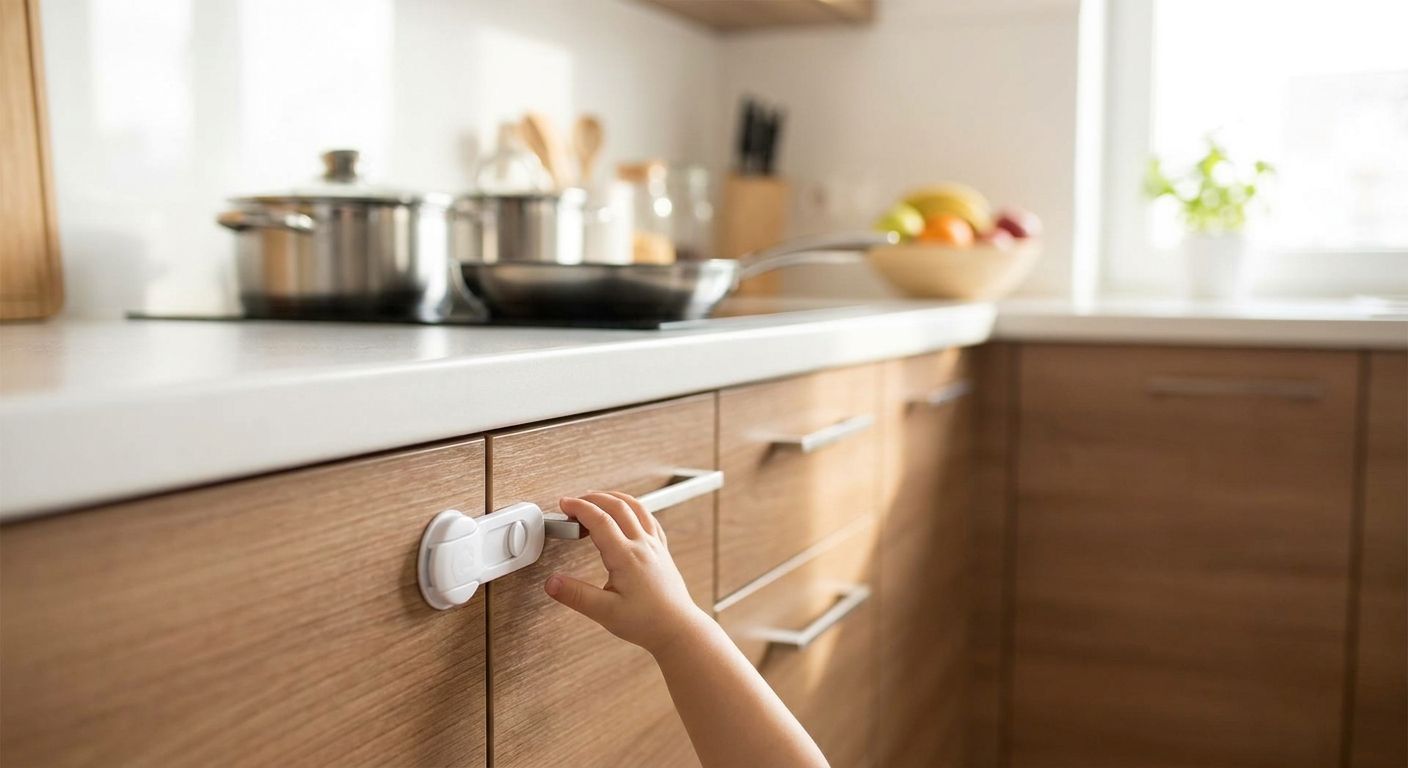
Six childproof cabinet lock types cover almost every kitchen setup in 2026, and picking the wrong one means a toddler finds the cleaning supplies within a week.
- Spring-loaded latch locks hold up to 40 lbs of pull force and win for houses with more than one climbing toddler — buy for permanent installs.
- Adhesive strap locks skip drilling entirely, making childproof cabinet locks workable for renters with zero holes allowed.
- Magnetic cabinet locks hide completely behind the door but add a key-fetching step — skip them on cabinets you open 20+ times a day.
- Self-closing hinges aren't a childproof lock on their own, but pairing one with a catch closes the gap strap and magnetic locks leave open.
Shop the picks from this guide
In stock at Knobs.co · Free shipping on hardware orders $99+ · 110% price match
-
 Notting Hill Hardware
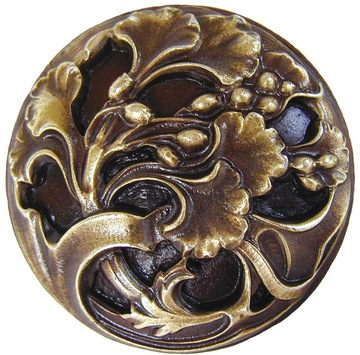
 Florid Leaves Pewter Cabinet KnobAntique Brass
Notting Hill Hardware
Notting Hill Hardware Florid Leaves Pewter Cabinet KnobAntique Brass
$38.40
$48.00 -
 Notting Hill Hardware
Florid Leaves Cup PullAntique Brass
Notting Hill Hardware
Florid Leaves Cup PullAntique Brass
$59.20
$74.00 -
 Notting Hill Hardware
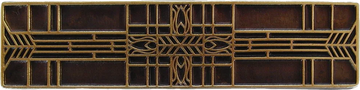
Prairie Tulips Pull/HandleAntique Brass
Notting Hill Hardware
Prairie Tulips Pull/HandleAntique Brass
$50.40
$63.00 -
 Notting Hill Hardware
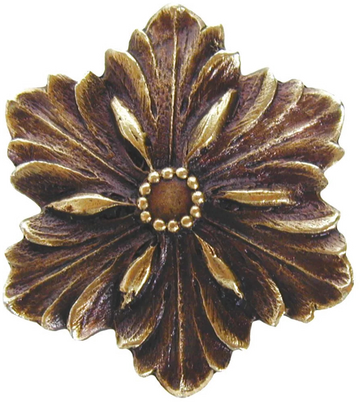
 Opulent Flower Pewter Cabinet KnobAntique Brass
Notting Hill Hardware
Notting Hill Hardware Opulent Flower Pewter Cabinet KnobAntique Brass
$38.40
$48.00 -
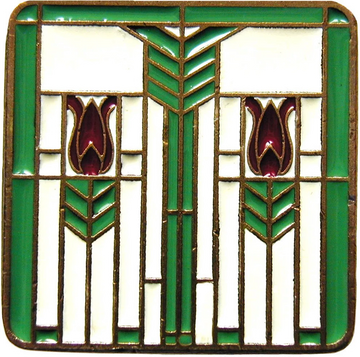 Notting Hill Hardware
 Prairie Tulips Solid Bronze Cabinet KnobAntique Brass
Notting Hill Hardware
Notting Hill Hardware Prairie Tulips Solid Bronze Cabinet KnobAntique Brass
$46.40
$58.00 -
 Notting Hill Hardware
 Gingko Leaf Pewter Cabinet KnobAntique Brass
Notting Hill Hardware
Notting Hill Hardware Gingko Leaf Pewter Cabinet KnobAntique Brass
$38.40
$48.00
Why this matters
A cabinet under the kitchen sink holds bleach, dishwasher pods, and knives — the three things a toddler under 3 reaches for first once they figure out how a cabinet door works. Childproof cabinet locks exist to stop that door from opening past a gap of roughly 1 to 2 inches, which is usually enough to block a small hand from getting a full grip on what's behind it.
Most parents buy the wrong lock once before finding one that survives daily use. The fix is matching the lock mechanism to the hardware already on your doors — knobs, pulls, or nothing at all — and to how many people in the house need to get past it without a fight every time they reach for a pot. Knobs.co's guide to childproofing cabinet hardware covers pairing locks with the hardware already installed, which is the step most buying guides skip entirely.
How these were ranked
Ranking childproof cabinet locks isn't about brand loyalty — it comes down to three questions. Does the mechanism fit the hardware already on your cabinets, can an adult open it one-handed in under 3 seconds, and does it hold up against a determined 2-year-old for more than a few weeks?
Locks that require permanent drilling get penalized for rental kitchens. Locks that rely purely on adhesive get penalized for low pull-force ratings. Every entry below is grouped by mechanism type rather than a single SKU, because the mechanism — not the sticker on the box — determines whether the lock survives your kitchen in 2026. Pull-force and fit numbers cited come from published spec sheets for current model-year kits; your exact figures will vary by manufacturer.
The ranked list
1. Magnetic cabinet locks — the invisible option
The mechanism sits entirely inside the cabinet, so there's nothing visible on the door front — no strap, no bracket, no clue for a toddler to tug on. You swipe a magnetic key near the door to release it, and most kits ship enough locks for 8 cabinets plus 2 keys.
That invisibility is the appeal for finished cabinet faces where hardware showing would bother a designer or a homeowner. The downside is real: fetching the key every time you need a pot adds friction fast. Buy for cabinets you open a few times a day. Skip for the one under the sink you're in constantly.
2. Adhesive strap locks — the renter's fix
These peel-and-stick straps hold two cabinet handles about 2 inches apart with no drilling and no screws — the entire install takes under a minute per cabinet. Most straps are rated to hold roughly 15 lbs of pull force before releasing.
That's plenty for a toddler tugging but not much against a determined 3-year-old's full body weight. Buy for rental kitchens and anywhere you can't drill. Hold if anyone in the house has reduced grip strength — some straps release too easily under a hard yank.
3. Sliding U-shaped locks — the no-tools grab
This lock slides over both cabinet handles at once and releases with a one-handed squeeze for an adult. Most models fit handle gaps from 0 to about 3.5 inches, which covers the majority of standard pulls.
It moves between cabinets in seconds, which matters during a renovation or a move when you're childproofing a kitchen that isn't finished yet. Buy for cabinets with two pulls or a pull-and-knob pair. Skip for knob-only doors — the bracket needs two points to grip.
4. Spring-loaded latch locks — the heavy-duty pick
This one screws into the cabinet interior with 4 screws and takes roughly 10 minutes to install per door. The release button hides behind the door lip, and the mechanism holds up to 40 lbs of pull force — enough to survive a toddler leaning her full weight against the door.
It's the pick for households with more than one child, since magnetic and adhesive locks tend to get defeated by the second kid who watched the first one figure it out. Buy for permanent installs. Wait if you're planning to sell the house in the next few years — it leaves screw holes behind.
“If a lock takes two hands and ten seconds for an adult to open, it won't survive being installed for more than a week.”
5. Combination and keypad locks — the multi-caregiver pick
This lock sets a 3 or 4-digit code instead of relying on a key that gets lost by month two. Some battery-powered models handle 200-plus open cycles before the battery needs swapping.
It works well for households with a babysitter, grandparent, or rotating caregiver who needs access without a physical key changing hands. Consider for a pantry or liquor cabinet used a few times a day. Skip it for the everyday dish cabinet — punching a code every time you grab a bowl gets old fast.
6. Cabinet safety catches and latches — the low-profile backup
A basic catch or latch mounted inside the cabinet frame adds a second barrier behind whatever lock is doing the primary work, and it's the same hardware category cabinetmakers use for overlay doors that need to stay flush. Knobs.co's guide to cabinet catches and latches breaks down which catch style fits an overlay versus an inset door.
Catches alone won't stop a toddler — they're built to hold a door shut against gravity, not against a determined pull. Buy as a backup layer behind a dedicated childproof lock. Skip as your only line of defense.
7. Self-closing hinges — the upgrade that isn't a lock
A self-closing hinge pulls the cabinet door shut on its own instead of leaving it ajar for small fingers to explore whenever someone forgets to push it closed. Knobs.co's soft-close cabinet hinges guide covers the difference between soft-close and standard self-closing action.
This isn't a substitute for a childproof lock — a self-closing hinge will still let a toddler pull the door open, it just won't stay open by accident. Buy as a pairing with a lock, not a replacement for one.
Self-closing hinges specifically are worth a look if you're already replacing hardware on the cabinets you're childproofing:


Comparison table
| Lock type | Install | Pull-force / fit | Best for | Verdict |
|---|---|---|---|---|
| Magnetic | No drilling, key-activated | Hidden mechanism | Finished cabinet faces | Buy for low-traffic doors |
| Adhesive strap | Peel-and-stick | ~15 lbs | Rentals, no-drill kitchens | Buy for renters |
| Sliding U-shaped | No tools | Fits 0-3.5 in handle gap | Two-handle cabinets | Buy for handled doors |
| Spring-loaded latch | Screws, ~10 min | Up to 40 lbs | Multi-child homes | Buy for permanent installs |
| Combination/keypad | Screws or adhesive | 200+ cycles per battery | Multi-caregiver homes | Consider for low-traffic cabinets |
| Catches and latches | Screws into frame | Backup only | Layered setups | Buy as backup, not primary |
Where to buy
- Buy locks that match your existing hardware first. A U-shaped slide lock needs two handles at roughly the same height; a magnetic lock works on any door style since the mechanism sits inside the cabinet, not on the front.
- Buy at least 2 spares per pack. Adhesive tabs peel, springs fatigue, and a determined toddler snaps a strap loose within a season — reordering one lock at a time wastes more time than buying extra up front.
- Pair the lock with the hardware, not instead of it. If cabinet doors slam or hinges sag, a lock is patching a problem the hinge should solve. Knobs.co stocks the self-closing hinges and cabinet catches that make the lock's job easier — the lock stops the door from opening, the hardware stops it from being left open in the first place.
Common mistakes that undo childproofing
- Mounting the lock off-center. A magnetic key only releases within about 2 inches of the sensor — mount the lock off to one side and even adults can't open it reliably.
- Ignoring the pull-force rating. A lock rated for 15 lbs won't survive a 3-year-old leaning her body weight against a cabinet door. Check the number before buying, not after.
- Fighting hardware that's already failing. Loose or slamming hinges work adhesive tabs loose over weeks. If doors bang shut on their own before you even add a lock, fix that first — see how to stop cabinet doors from slamming shut — then install the lock.
FAQ
What's the best childproof cabinet lock for a rental kitchen?
Adhesive strap locks are the best childproof cabinet locks for renters in 2026 because they need zero drilling and peel off cleanly at move-out. They hold roughly 15 lbs of pull force, which covers most toddlers under age 3.
Is a magnetic cabinet lock better than an adhesive strap lock?
Magnetic cabinet locks hide completely inside the door and work on any hardware style, while adhesive strap locks are faster to install but rely on peel-and-stick adhesion. Choose magnetic for low-traffic cabinets and strap locks for cabinets you can't drill into.
How much pull force does a childproof cabinet lock need to hold?
Look for at least 15 lbs of pull force for a single toddler and up to 40 lbs for multi-child households or determined 2-to-3-year-olds. Spring-loaded latch locks typically rate highest on this spec.
Do childproof cabinet locks work on knob-only cabinets?
Sliding U-shaped locks need two handles or a handle-and-knob pair to grip, so knob-only doors usually need a magnetic or adhesive strap lock instead. Check the gap size on your knobs before buying a U-shaped model.
How long do childproof cabinet locks last before kids figure them out?
Most magnetic and adhesive locks stop working reliably once a child hits 3 to 4 years old and understands cause and effect. Spring-loaded latch locks with hidden release buttons tend to last longest against determined toddlers.
Can I use childproof cabinet locks with soft-close hinges?
Yes, and it's a smart pairing — soft-close hinges keep the door from being left ajar, while the lock stops it from being pulled open in the first place. Neither one replaces the other.
What age should I start childproofing kitchen cabinets?
Start around 6 to 9 months, when most babies begin crawling toward cabinets and pulling on doors and drawers. Waiting until a child is walking usually means installing locks after a close call.
Do I need to childproof every cabinet or just the dangerous ones?
Prioritize cabinets holding cleaning chemicals, medications, knives, and glass first, then work outward. A full 10-cabinet kitchen usually takes under an hour to lock down once you've picked one lock type.
One last thing
The lock most parents regret buying is the keyed cabinet lock — the key disappears by month three, and there's no override once it's gone. In 2026, skip anything that requires a physical key you can't duplicate at a hardware store same-day, and lean toward magnetic, combination, or spring-loaded mechanisms that don't depend on a single small object staying found.


